
Cape Town architecture that makes you stop and stare
Discover Cape Town's architectural layers, from ancient bastions to Afro-futurist stations, revealing its complex history and vibrant spirit.
Cape Town's buildings tell exciting stories of its past and future. Old grain silos become art museums, showing how new life breathes into old structures. Colorful houses in Bo-Kaap stand as a vibrant protest against a dark history. Even bus stops are designed to face future challenges like rising sea levels, proving the city is always growing and changing. It's a place where every corner has a tale, and the mighty mountain watches over it all, refusing to change.
How does Cape Town's architecture reflect its history and culture?
Cape Town's architecture is a "living palimpsest," with each historical epoch building upon the last, not erasing it. Examples include the Zeitz MOCAA's rebirth from a 1924 grain silo, the purple paving commemorating the 1989 Purple Rain Protest, and Bo-Kaap's brightly colored houses symbolizing protest against forced removals.
Get Cape Town news in your inbox
Stay updated with the latest stories from the Mother City.
Harbour to Headland: Concrete Silos, Dye-Bombs and the Art of Reverse Archaeology
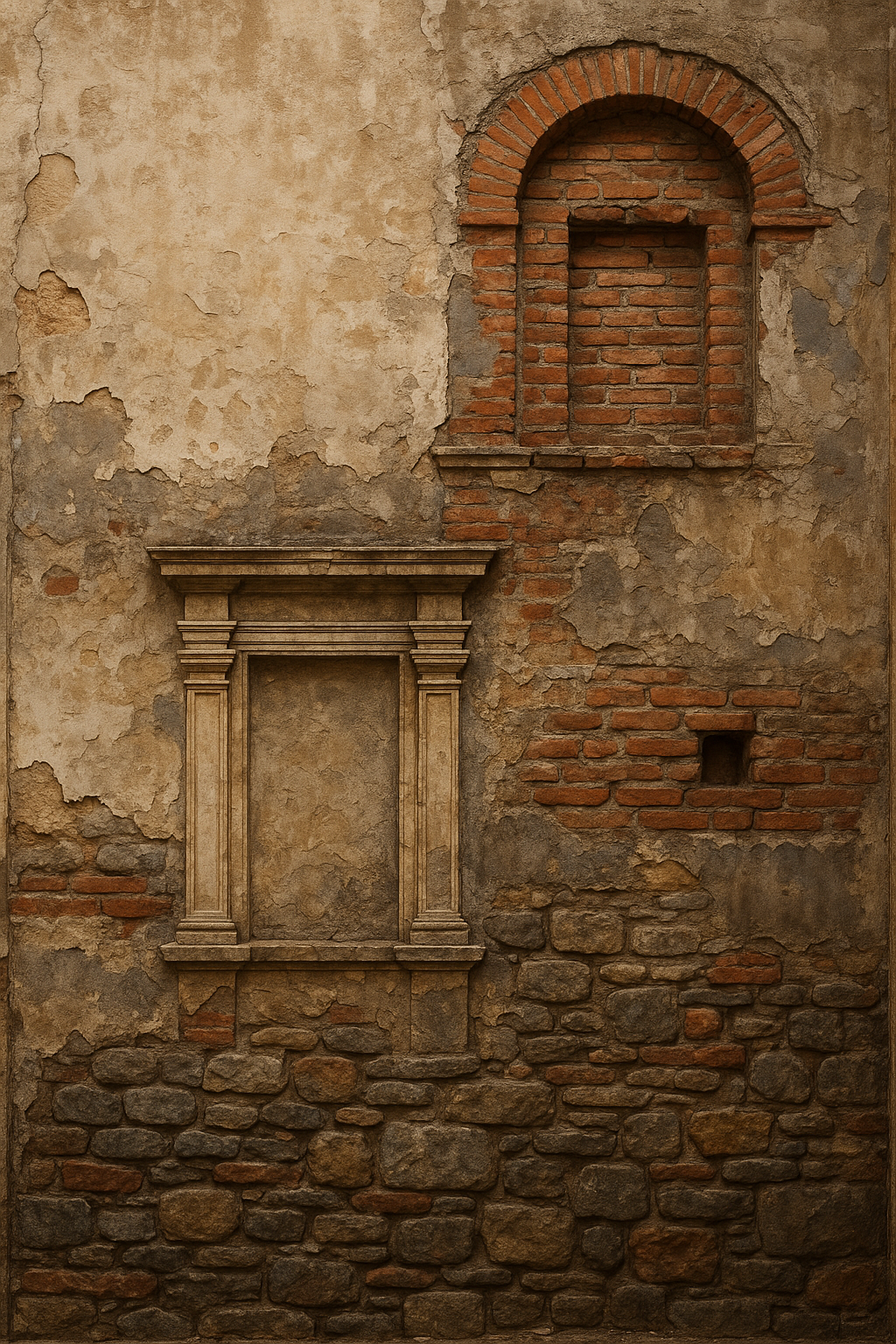
Cape Town greets you in layers. From the deck of the Robben Island ferry at twilight you scan a vertical manuscript: 17th-century bastions pressed against the mountain, Victorian gables prickling the bowl, a sun-orange 1960s tower, and the glass pupil of the Zeitz MOCAA blinking at the night. Nothing erases what went before; every epoch simply writes over it, producing a living palimpsest.
Start inside the 1924 grain silo reborn as the Zeitz MOCAA. Heatherwick Studio found maize-dust still glittering in the ducts and decided that amnesia was worse than decay. Instead of wiping the slate, they blew up a single corn kernel to 27 m, hollowed out its silhouette, and slipped a new museum inside the cavity. Raw concrete keeps the bruises of 1920s timber formwork; black carbon-fibre stairs float past without ever kissing the walls. Ride the glass lift and you feel like a hermit crab trespassing in someone else’s shell. After dark the hotel penthouse becomes a lighthouse, sweeping coloured cones across the docks so that, from the water, the whole structure looks like one huge eye trying to focus the city.
Walk east for ten minutes until the smell of cardamom drifts down the hill. You have reached the corner of Darling and Parliament Streets, scene of the 1989 Purple Rain Protest. Police thought a water-cannon loaded with purple dye would brand demonstrators for later arrest; instead the crowd turned the colour into a flag. No statue commemorates the moment, yet if you loiter at 5 p.m. the streetlights reveal a patch of asphalt paved with purple stone chips - twelve square metres of tinted memory that you can step on, drive over, or spit gum into. Architecture, here, is nothing more - and nothing less - than coloured tar.
Colour, Crackle and Climate: Three Neighbourhoods that Refused to Behave
Head up the hill into Bo-Kaap, where houses wear lime, tangerine and cobalt like team jerseys. Tourists snap the rainbow, but the palette began as protest. In the 1970s residents, threatened by the Group Areas Act, bought the cheapest brilliant tins they could find and painted every surface that faced the street. Brightness became a lease agreement: you had to evict the colour before you evicted the family. Stand on Wale Street at dawn and watch the sunrise edit the row - morphing magenta into salmon, lime into acid - so the architecture performs a daily, slow-motion vanishing act against monochrome law.
Slide downhill to Woodstock’s Old Biscuit Mill. Built in 1928, the factory once baked thousands of Marie biscuits under saw-tooth roofs that inhaled the sea breeze. Makeka Design Lab kept the cracked brickwork, stitched new steel “sutures” across the fractures, and hinged the original steel sashes so they open like dragonfly wings by day and snap shut at dusk. Look at the terrazzo floor: it sparkles with crushed Protea cans, the neighbourhood’s trash promoted to underfoot glitter. When the food stalls are gone you can stand in the centre and hear the building hyper-ventilate, cooling studios that now host tech start-ups and sour-dough bakeries.
Further west, Sea Point dares the Atlantic to come closer. One cliff-hugging house, nicknamed “The Periscope,” flips seaside convention: the street entry is a corten-steel bunker; the ocean is invisible until a ramp swivels you 180 degrees. The living room sits half a level below the pool deck so that, from the sofa, you sight the horizon straight through the aquamarine rectangle of water - an infinity edge that behaves like a liquid lens. Indigenous dune grasses creep across the roof; in five years the house will be a horizontal land-art piece with bedrooms inside.
Breathing Cathedrals, Harvesting Rooftops and a Surf-Shack that Knows the Tide
Cut back towards town and climb the pistachio fire-escape of Mutual Heights, South Africa’s only granite-clad Art Deco skyscraper. The stair hums in the wind like a blown bottle, turning emergency egress into an accidental harmonica. Each landing wears 1930s ocean-liner green; every equinox the sun slots between two fins and projects a perfect golden rectangle onto the back wall for exactly four minutes - an urban calendar that needs no batteries.
A five-minute walk brings you to St George’s Cathedral, “the People’s Cathedral” where Desmond Tutu rallied anti-apartheid crowds. A new glass cloister balloons off the nave in 4,600 hand-blown spheres. Each bubble holds a single human breath - some furious, some hopeful - donated by residents. By day the spheres act as thermal chimneys, flushing hot air; by night they glow like bottled fireflies, proving that collective exhalation can outweigh bronze doors.
District Six, still half-erased by forced removals, hosts a quieter miracle: a 1970s office block retro-fitted with a tensile greenhouse roof. Former textile workers now grow spirulina in vertical tubes, inhaling dawn sea air and exhaling humid CO₂ for the algae. By dusk the roof exhales fresh water, which is used to press the harvested biomass into edible wafers. You can taste the city’s airborne memory - literally - at Saturday markets.
Drive south to Llandudno, where a beach cabana has been skinned in thermochromic stone. The tiles shift from charcoal to ivory as temperature rises, recording both sunshine duration and tide level: seawater drags the ambient temp down 3 °C at high tide, so a horizontal barcode tells surfers how long the sun has baked the rock, while a vertical gradient reveals the tide schedule. The owners cancelled their surf-report app; they just glance at the wall.
Endless Loop: Buses, Mirrors and the Mountain that Refuses Renovation
Cape Town’s bus rapid-transit stations are easy to overlook - until you notice the Y-shaped pylons that quote both rondavel cones and Portuguese caravel sails. At night polycarbonate roofs become LED parchments where every blinking star is a phoneme from one of South Africa’s eleven official languages. Built one metre above future sea-level rise, they are the city’s first climate-adapted civic structures. Stand on the platform at dawn and you inhabit an airborne proscenium between debt and destination, momentarily weightless.
There is no final stop on this syllabus. Bring a pocket mirror, hold it at 45 degrees to any facade, and the mountain flips into the street plane, revealing how every architect ends up designing around a peak they cannot renovate. Count the colours on a Bo-Kaap house, multiply by gable height, divide by the year of purchase: locals swear the result predicts the next paint job, an oral algorithm that keeps chromatic conversation alive.
When blisters outrun sentences, hop on any bus whose roof flickers in your mother tongue. Route numbers are irrelevant; every line eventually skirts the mountain. And the mountain, as every architect here will admit, is the one facade Cape Town keeps failing to repaint, retrofit or rename - its granite paragraph that refuses revision.
What makes Cape Town's architecture unique?
Cape Town's architecture is unique because it's a "living palimpsest," where each historical period adds to the city's story without erasing what came before. This results in a rich tapestry of styles and meanings, from repurposed industrial buildings to colorful protest homes.
How does Cape Town repurpose old structures?
Cape Town is adept at repurposing old structures, breathing new life into them. A prime example is the 1924 grain silo transformed into the Zeitz MOCAA art museum. The designers not only preserved much of its original character but also used elements like maize dust as inspiration, creating a modern space that honors its industrial past.
What is the significance of the colorful houses in Bo-Kaap?
Initially, the vibrant colors of the houses in Bo-Kaap served as a powerful act of protest against the apartheid-era Group Areas Act. Residents used the cheapest, brightest paints available to assert their presence and identity, making it difficult to evict them when their homes were so visibly distinct. Today, they remain a symbol of cultural resilience and a popular tourist attraction.
How does Cape Town address climate change through its design?
Cape Town is proactively addressing climate change, particularly rising sea levels, through its urban design. An example is the city's bus rapid-transit stations, which are built one meter above future sea-level rise, making them among the first climate-adapted civic structures in the city. Other innovative designs, like the Sea Point house nicknamed "The Periscope," also show how architecture is being adapted to its environment.
Can visitors experience Cape Town's history through specific landmarks?
Absolutely. Visitors can experience Cape Town's history firsthand. From the Zeitz MOCAA, which tells a story of industrial transformation, to the purple paving at Darling and Parliament Streets commemorating the 1989 Purple Rain Protest, and St George's Cathedral, known as "the People's Cathedral" for its role in anti-apartheid movements, there are numerous sites that offer tangible connections to the city's past.
How does the natural landscape influence Cape Town's architecture?
The majestic Table Mountain profoundly influences Cape Town's architecture. Architects often design structures that frame or interact with the mountain, as it's a constant, unchangeable presence. The text even suggests holding a mirror to a facade to see how the mountain flips into the street plane, illustrating its pervasive influence on the city's visual and architectural identity.

Sizwe Dlamini is a Cape Town-based journalist who chronicles the city’s evolving food scene, from boeka picnics in the Bo-Kaap to seafood braais in Khayelitsha. Raised on the slopes of Table Mountain, he still starts every morning with a walk to the kramat in Constantia before heading out to discover whose grandmother is dishing up the best smoorsnoek that day.
View all articles →