
Cape Town’s hot cross buns get a bold easter makeover
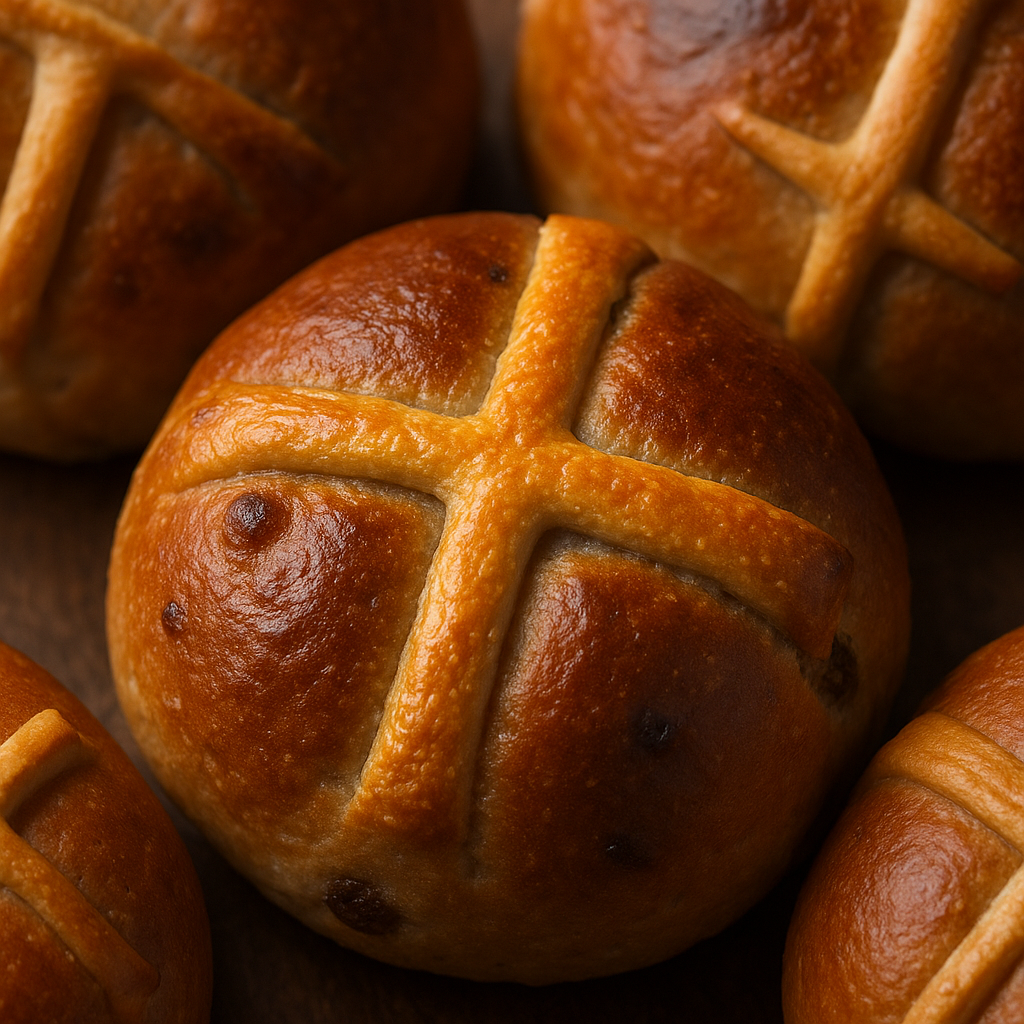
Explore Cape Town's 2026 hot cross bun revolution! Bakers engineer new flavors, tech, and trends for this R280-million Easter economy.
Cape Town's 'bun rebellion' is a wild and delicious fight over hot cross buns, now a huge R280-million trend. Bakers act like fashion designers, using super cool tech and crazy ingredients to make amazing new buns. These aren't your grandma's buns; they're a massive cultural and money-making event, changing how everyone in Cape Town sees breakfast.
What is Cape Town's bun rebellion?
Cape Town's bun rebellion refers to the city's annual R280-million seasonal war over hot cross buns, transforming Lent into a highly anticipated product launch. Bakers act like streetwear designers, utilizing advanced technology and exotic ingredients to create diverse, innovative bun collections that have become a significant cultural and economic phenomenon.
Get Cape Town news in your inbox
Stay updated with the latest stories from the Mother City.
1. The 03:47 Starter: When Dough Beats the DJ
At 03:47, while club doors still throb, Jason Lilley slaps a living blob onto marble at Salt-Rise on Bree. The starter is nine years old, smells like white wine left in the sun, and dines daily on Darling khorasan. By 05:30 it has ballooned into something that looks like sea-foam pretending to be bread. Rice-flour paste is brushed on, forming crosses that will blister into pale scars - Instagram catnip long before the sun is up.
This is not the raisin relic your aunt buttered in 2010; it is the first shot of a R280-million seasonal war that rolls from New Year’s Day to Maundy Thursday with tidal predictability. Cape Town has turned Lent into a product drop, and the city’s bakers are the unlikely streetwear designers.
The bun is now a platform, not a recipe. Everything - religion, biochemistry, crypto tickets, hijack squads - rides on its domed back. If you want to understand Cape Town in 2026, stop looking at the mountain; look at the cross on top of breakfast.
2. Law, Labs and the Perfect Right-Angle
In 2023 the agriculture ministry slipped clause 15.8 into the cereal rulebook: yeast, mixed spice, fruit (or legal替身), and a cross visible to the naked eye - no glued-on afterthoughts. The clause sounds dull until you realise it criminalises half the brunch menus in town. Brioche with a chocolate squiggle? Courtroom fodder.
R&D chefs responded like software engineers: they built precision tools. Laser-cut silicone mats guarantee orthogonal crosses that photograph pixel-perfect. One Woodstock garage startup, Cruxjet, prints crosses with carotenoid ink that browns ninety seconds faster than the surrounding crust, creating a 3-D negative relief - TikTok slow-mo gold.
Even steam got an upgrade. Bluetooth hygrometers ping phones - “surface 42 °C, humidity 78 %, paint now!” - delivering the coveted split-shine: a cross that cracks just enough to flash interior crumb without losing selfie gloss. Religion meets robotics in the palm of your hand.
3. Ingredient Wildfire: From Kalahari Truffles to Sushi Nori
Ancient red spelt from a Darling biodynamic farm ferments so fast that Rouge Day Bakery drops yeast by 0.8 % and adds diastatic malt to keep oven spring. Palmyra jaggery from KwaZulu-Natal slashes the glycaemic index to 22, a 40 % cut from 2019 levels, while adding a campfire-caramel note that plays nicely with fynbos honey.
Fruit? Sultanas are pensioners now. The 2026 line-up reads like a botanist’s fever dream: Sungold kiwi strips dehydrated in Stellenbosch, naartjie peel air-dried at 35 °C to lock in walk-through-Oranjezicht aromatics, sour-candied guava co-developed with Cape Malay aunties, and freeze-dried Cape gooseberry dust that leaves Pollock-like speckles in the crumb.
Fat is political. Trans-fats are banned, butter sits at R185 a kilo, so cultured A2 butterfat from Hemel-en-Aarde grass-fed herds becomes the flex: same 28 % fat phase, but marketed as regenerative agriculture. Vegans fight back with whipped fermented coconut cream cut with shea butter, achieving the same mouthfeel and a passport stamp for sustainability.
4. Flavour Families, Scarcity Hype and the Cathedral You Can Eat
Bakeries no longer sell “a” bun; they curate collections the way sneaker labels drop colourways. Yoco data prove that tasters of three or more variants spend 2.4× the single-buyer, so pastry chefs invent on deadline.
Dessert-island line-up: Tiramisù bun (espresso yeast, mascarpone chunks), milk-tart bun brûléed à la minute, koeksister bun injected with syrup and rolled in coconut. Savouroids include a bobotie bun laced with tamarind-soaked venison, a mutton-bunny homage edged with gold leaf, and a “Gatsby” bun stuffed with slap-chips and masala steak - sold only in fours because “nobody eats a Gatsby alone.”
Botanicals? Pinotage-smoked cherry, fynbos-buchu-honeybush, and Kalahari truffle-sugar variants turn breakfast into a guided walk. Health hustlers get 25 % protein pea-isolate buns or keto bricks stamped “net carbs 4 g.” Hybrid monsters - Bunettone hung upside-down like Milanese panettone, croisscross buns with checkerboard lamination, sushi buns wearing nori crosses - prove that genre is dead and delicious.
Scarcity is engineered. Arcade Bakery in Langa voice-notes a 07:00 flavour alert; 200 six-packs vanish by 09:15 and reappear on Facebook Marketplace at triple price. Pick n Pay issues pre-order QR-NFTs to kill queues and green-wash the promo. Meanwhile, inside Company’s Garden, 6 000 kiln-dried buns form a four-metre edible cathedral mortared with white-chocolate ganache. Schoolkids pluck bricks during scheduled “deconstruction slots,” learning geometry and theology while the artwork slowly resurrects into their stomachs.
What is Cape Town's bun rebellion?
Cape Town's 'bun rebellion' is a wild and delicious fight over hot cross buns, now a huge R280-million trend. Bakers act like fashion designers, using super cool tech and crazy ingredients to make amazing new buns. These aren't your grandma's buns; they're a massive cultural and money-making event, changing how everyone in Cape Town sees breakfast.
How has the hot cross bun evolved in Cape Town?
The traditional hot cross bun has been completely re-imagined. Bakers now act like 'streetwear designers,' utilizing advanced technology and exotic ingredients. Gone are the days of simple raisin buns; the 2026 line-up features unique flavour combinations, precision-engineered crosses, and a focus on innovative presentation, transforming the bun into a 'platform' for culinary experimentation.
What role does technology play in the bun rebellion?
Technology is central to the bun rebellion. Bakers use advanced tools like laser-cut silicone mats for perfect crosses, carotenoid ink for 3-D negative relief, and Bluetooth hygrometers to achieve precise baking conditions. This technological integration ensures aesthetic perfection and consistent quality, making the buns Instagram-ready and highly desirable.
What kind of innovative ingredients are used in these buns?
The ingredients used in Cape Town's hot cross buns are far from ordinary. Bakers incorporate elements like ancient red spelt, Palmyra jaggery to reduce glycemic index, and a wild array of fruits including Sungold kiwi strips, air-dried naartjie peel, sour-candied guava, and freeze-dried Cape gooseberry dust. Even fats are innovative, with cultured A2 butterfat and whipped fermented coconut cream being used, reflecting trends in health and sustainability.
How do bakers create hype and scarcity for their bun collections?
Bakeries in Cape Town employ sophisticated marketing strategies to create hype and scarcity. They curate 'collections' like sneaker labels drop colourways, encouraging customers to try multiple variants. Techniques include voice-note flavour alerts, rapid sell-outs, and the use of pre-order QR-NFTs to manage demand and queues, further emphasizing their exclusivity.
What are some of the most unusual bun flavours or concepts?
The creativity in bun flavours and concepts is boundless. Offerings include dessert-inspired buns like Tiramisù, milk-tart brûléed, and koeksister buns. Savoury options range from bobotie and mutton-bunny homage buns to 'Gatsby' buns stuffed with slap-chips and masala steak. There are also botanical variants with fynbos-buchu-honeybush, and hybrid creations like 'Bunettone' and 'croisscross buns,' pushing the boundaries of what a hot cross bun can be.

Amanda Wilson is a Cape Town-born journalist who covers the city’s evolving food scene for national and international outlets, tracing stories from Bo-Kaap spice shops to Khayelitsha micro-breweries. Raised on her grandmother’s Karoo lamb potjie and weekend hikes up Lion’s Head, she brings equal parts palate and pride to every assignment. Colleagues know her for the quiet warmth that turns interviews into friendships and fact-checks into shared laughter.
View all articles →