
Damian Lazarus headlines Golden Hour finale 2026
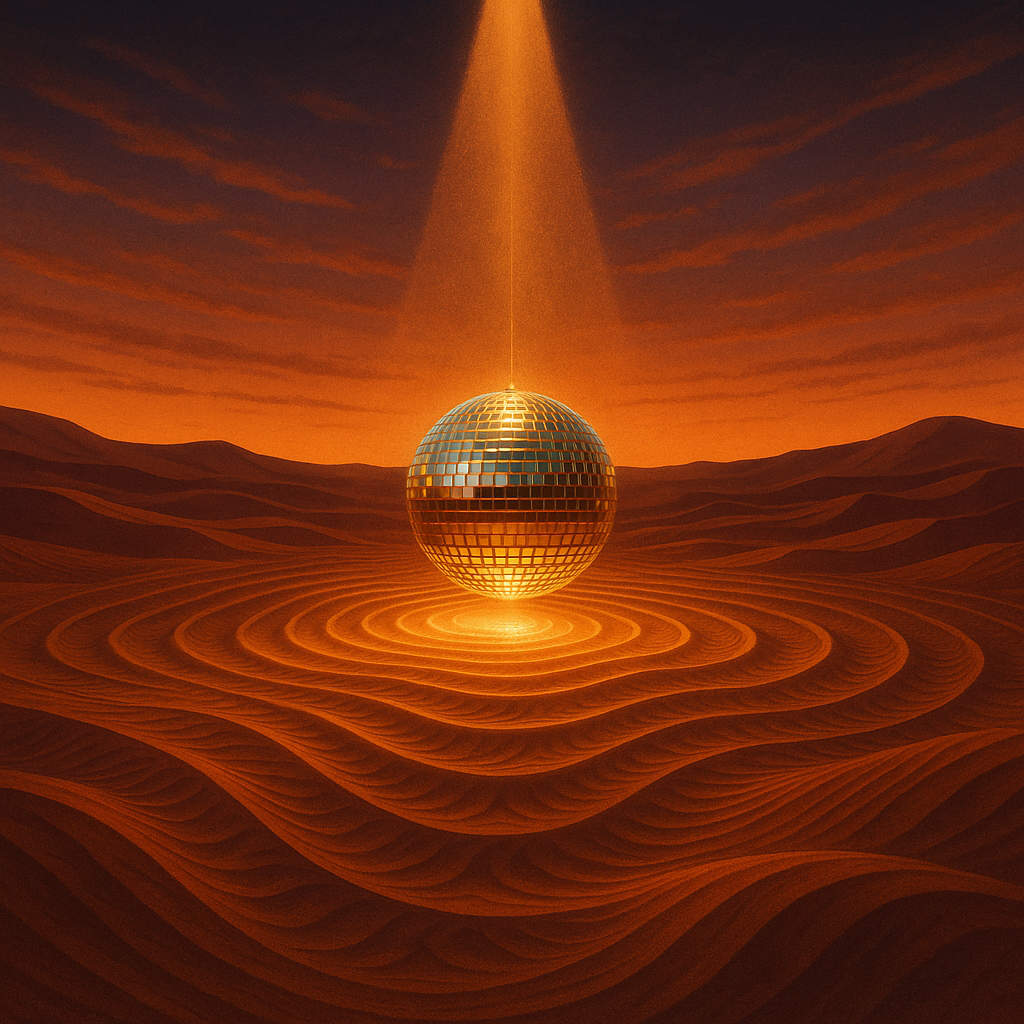
Golden Hour: Cape Town's electronic music ritual abandons the sunset. Experience Damian Lazarus & more in a transformed venue.
Imagine a secret party in Cape Town where the sun is switched off on purpose! It's called the Cape Town Indoor Eclipse, an invitation-only music event for 1,200 dancers. They turn a restaurant into a magical, dark space with amazing lights and sounds. Top DJs play incredible music, and even the bar serves special plant drinks to make the experience even wilder. It's like a man-made night, a super cool and immersive adventure where every beat hits hard.
What is the Cape Town Indoor Eclipse event?
The Cape Town Indoor Eclipse is an exclusive, invitation-only electronic music event held in Cape Town, where 1,200 dancers experience a "man-made night" inside a transformed restaurant. Masterminded by Damian Lazarus, it features a unique convergence of sound, light, and atmosphere, including a specialized sound system, botanical bar, and a lineup of diverse DJs. The event deliberately blocks out the sunset to create an immersive, dark environment.
Get Cape Town news in your inbox
Stay updated with the latest stories from the Mother City.
The Day the Sky Was Voluntarily Switched Off
Saturday, 25 April 2026 will mark the first time in half a decade that Cape Town’s Golden Hour party dims the horizon it was named after. Atlantic waves still roll, gulls still wheel, but inside the old Cabo Beach restaurant steel shutters slam at 17:00, sealing 1 200 dancers in a man-made night. Sunset is officially logged at 18:42; by then the room will already be sweating, every photon manufactured, every bass wave aimed at ribcages instead of open water.
The mastermind behind the blackout is Damian Lazarus. Convincing the crew to trade dusk for darkness took one playback, one July night on the same patch of sand. Golden Hour founder Devin Hübsch had flown in from Berlin to preview fresh Crosstown Rebels cuts. At 03:12 a tungsten bulb flickered in time with a 96 BPM track laced with a Xhosa field recording and the timber floor flexed like a living drum. “That’s when the music outgrew the sunset,” Hübsch recalls. “We needed walls, not wind.”
Permits landed in August. City planners swapped the restaurant’s glass front for desert-satellite printed acoustic panels, kept the original wave-shaped roof, and hung a mirror-ball galaxy that spins against programmable LED suns. A Meyer Leopard rig - normally reserved for outdoor arenas - was trucked in, angled so bass ricochets instead of rolling out to sea. The result: a pressurised tank where sound lands on skin, not sand.
Architects of Atmosphere: Line-up, Alchemy and the 19 Hz Tunnel
Doors part at 17:00; by 19:30 even the lateral daylight slit is swallowed. Blaqkongo walks in first, modular cases wired to Fela Kuti’s old Roland Space Echo. He steeped the tape in rooibos the previous night, chasing “mid-range tannin warmth.” Boogie Vice follows, riding three turntables from 110 BPM yacht-disco to 124 BPM Afro-bubblegum, a deliberate salute to 1983 Harari-meets-Donna Summer segues that once ruled the city. Teenage phenom Confido drags gqom down to 142 BPM, minus-eight pitch converting Durban urgency into subterranean menace. Elan Schneider imports Tulum pan-flutes, drizzling them across a silver-box 303 until the room smells like wet chalk before lightning. Roz, lone woman on the bill, stitches hostel voice notes from Langa over skeletal k-waves that climax when the kick vanishes. Rudy Julius closes the run at 23:30 with Antarctic wind loops tuned to 432 Hz, hoping to drop the mercury again.
Back-stage, Zeitz MOCAA technicians built a “transition tunnel.” Motion sensors spray chilled fynbos vapour, numbing scent so the incoming DJ feels the floor as one organism. A hidden sub pumps 19 Hz - just below human hearing - an infrasonic flicker that makes eyeballs judder and static lights appear to strobe. Performers step into the booth already vibrating.
Tickets evaporated in eleven minutes. A hundred extra “shadow passes” materialised at 02:00 on eclipse morning; QR codes hidden inside the previous after-movie at 15 % brightness and 0.75 playback speed. Winners enter through a side hatch, dropping onto the floor in hourly waves, preventing the dreaded six-hour energy plateau.
Botanical Bar, Tinctures and the Art of Not Getting Drunk
Alcohol takes a back seat. Kirstenbosch botanist Zolile Ncube runs an apothecary bar: buchu-citrus drops for sharpness, pelargonium-honey for heart-openness, devil’s-claw labeled “forgive tomorrow.” Each 5 ml shot sits under the tongue, chased by a dehydrated naartjie wheel. Bartenders - poached from Truth Coffee - wear welding goggles and work under red safelights so pupils stay wide, soaking in the micro-LED star map overhead. Espresso-martini orders nosedive; water requests soar after 01:00.
Lazarus Ascending: Card Draws, Whale Song and the Ocean Indoors
At 01:00 sharp the booth rotates fifteen degrees anti-clockwise, delaying the right stack by milliseconds so dancers feel time tug sideways. Lazarus fans twelve chalk-marked SD cards face-down, left-hand blind selection deciding destiny. Cape Town’s draw: “Tide,” sigil of liquid rhythms and slow-pull polyrhythms. Opening track drips with reversed droplets and tabla loops clocked at 118.37 BPM - the median pulse of a dreaming human.
Between 02:30 and 03:15 he unleashes the 14-minute “Vermillion” remix laced with Robben Island whale calls. Sub-bass crests at 43 Hz, identical to the room’s fundamental resonance; the parquet ripples, sneaker treads let go, dancers hover an impossible instant, sneakers dangling like kelp. Photographs later show shoes mid-air longer than Newton allows - stochastic resonance masquerading as sorcery.
Behind a swivel-door fridge, Dillon G’s covert project “Kelp” soundtracks an 80-head micro-floor. Wristband heart-rate data modulates synth filters; skin conductance swells reverb tails. Each listener hears a private score that evaporates the moment they exit - biometric ghostwriting in real time.
Dawn Refund: Light Returns, Circles Close
At 05:45 the Atlantic is matte silver, the sun a cautious coin. House lights snap on, revealing sweat galaxies across the boards. A cleaner pockets an empty tincture vial, continent-shaped stain dried inside. Months later, in a Johannesburg minibus, body heat revives the residue; the passenger messages a number once inked on a lost wristband, completing a loop that began when Golden Hour deliberately shut the sky and taught the darkness to breathe.
What is the Cape Town Indoor Eclipse event?
The Cape Town Indoor Eclipse is an exclusive, invitation-only electronic music event held in Cape Town, designed to create a "man-made night" for 1,200 dancers inside a transformed restaurant. It features a specialized sound system, unique lighting, a botanical bar, and a curated lineup of top DJs, offering a deeply immersive and sensory experience that deliberately blocks out natural daylight.
Who is the mastermind behind the Cape Town Indoor Eclipse?
Damian Lazarus is the mastermind behind the Cape Town Indoor Eclipse. He was inspired to create the event after a

Thabo Sebata is a Cape Town-based journalist who covers the intersection of politics and daily life in South Africa's legislative capital, bringing grassroots perspectives to parliamentary reporting from his upbringing in Gugulethu. When not tracking policy shifts or community responses, he finds inspiration hiking Table Mountain's trails and documenting the city's evolving food scene in Khayelitsha and Bo-Kaap. His work has appeared in leading South African publications, where his distinctive voice captures the complexities of a nation rebuilding itself.
View all articles →