
FIGHT FOR SURVIVAL
Charlize Theron stars in Apex, a thriller where survival means scaling cliffs, battling a hunter, and confronting a landscape that's a killer's accomplice.
Charlize Theron really suffered for her art in Apex! She walked barefoot on super-hot rocks, hurting her feet badly. She also did scary climbs and fought without practice. The movie is super real, showing her fighting to survive against a crazy stalker in the harsh wild.
What challenges did Charlize Theron face while filming *Apex*?
Charlize Theron endured significant physical challenges during the filming of Apex, including walking barefoot on 42°C sandstone, resulting in bruised and torn feet that required medical attention. She also performed dangerous free-solo climbs and fight scenes without choreography, emphasizing the film's raw, authentic portrayal of survival.
Get Cape Town news in your inbox
Stay updated with the latest stories from the Mother City.
Scorched Earth, No Safety Net
Charlize Theron’s bare soles sizzle against sandstone that has been slow-roasting in the Blue Mountains heat. A coin-thin fissure is all she has for purchase; she jams her toes in, shoves her hips to the cliff and refuses to blink. One thousand metres of empty air unzips below her, a torn seam of eucalypt-shadowed gorge where wedge-tailed eagles cartwheel and the wind tastes of hot iron. Everyone on the ledge shuts up: director Baltasar Kormákur has called for a single take, no rope in sight, while a drone the size of a seagull buzzes so close she can sniff its melting plastic shell. This is day one of Apex , and the choice is primal - haul thirty vertical metres before dusk, or let Taron Egerton’s ex-SAS stalker, a man the script simply calls “Crowe,” close the distance and pull the trigger.
The finished shot lasts forty-three seconds; the crew bled four days to earn it. By sunset on the second day Theron’s feet looked like topographic maps drawn in bruise and torn skin. She waved away gel booties - Sasha wouldn’t own such luxuries - so the set medic painted liquid skin between takes and swaddled her toes in nicotine-yellow climbing tape. Evenings ended with a beer-cooler converted into an ice-bath on the balcony of a Katoomba boarding house, the town’s art-deco cinema flickering across the street like a 1930s postcard. She limped to a 5 a.m. call, and Kormákur kept the limp: “She already looks half animal,” he said.
The moment is the film’s hinge. Sasha’s first active decision is to climb instead of cower; everything after spirals from that upward reach. No CGI hand-holds, no face replacement, no “we’ll fix it later.” Just sweat, sandstone and a heart rate that Netflix will later track with an on-camera pulse oximeter to trigger a secret frame-rate trick that makes viewers feel as if they, too, are slipping.
From Camp-Fire Idea to Global Predator
The seed of Apex was a 19-page afterthought scribbled by Australian novelist Hannah Kent after a camping trip to the Capertee Valley. Kent, famous for the frostbitten Icelandic saga Burial Rites, wrote one line that sold the project overnight: “What if the land itself works as the killer’s accomplice?” Netflix bit, and the metaphors began to breed. Heat mirages warp depth perception, spinifex slashes like fish-hooks, and a tidal river reverses its flow to strand prey. Sound designer Chris Goodes logged 200 hours of bush audio - ants crackling like frying cellophane, quartz grit pinging off boots, eucalyptus leaves that, when reversed, become Crowe’s calm inhale-exhale. Composer Hildur Guðnadóttir spent seven days inside a decommissioned radar dome near Cairns, bowing its rusted ribs until she had a sub-bass growl that rattles teeth at 19 Hz, the frequency that makes humans swivel for ghosts.
Icelandic director Baltasar Kormákur - who once froze audiences on Everest and drowned them in Adrift - chased the antithesis of ice. He wanted sun so savage it peels paint. Production designer Tom Duff lined an entire sandstone overhang with shattered smartphone glass; when Sasha crab-walks across, every crunch sounds like her former life fracturing. Cinematographer Robert Elswit over-exposed 35 mm stock by two stops so iron-rich cliffs bleed arterial red and gum leaves bleach to bone. Netflix’s algorithm already knows viewers will mash pause at minute 67, when the camera tilts from Sasha’s chalked knuckles to an Indigenous petroglyph of a sprinting woman - an engraving no one noticed until dailies.
Crowe is no cardboard slasher. Egerton plays him as a forensic narcissist who thinks he is pruning invasive biomass - humans - from the planet. He narrates goat dissections into a cracked iPhone 6 in the tone of a BBC wildlife host, then stalks uphill with the loose-hipped, outer-edge footfall of a thylacine skeleton he studied in Melbourne Museum. The actor dropped ten kilos and let the Australian sun scar over his Kingsman tattoos; costume added one historic brass button looted from an 1830s naval coat, a trophy he clicks like a worry bead when the wind dies.
Bruises, Wombat Poo, and the 48-Frame Jolt
Theron and Egerton never rehearsed their fights. Kormákur wanted the chaos of two apex carnivores colliding without choreography. Both carried personal relics - Sasha a child’s plastic bracelet, Crowe that naval button - objects they rolled between finger and thumb until the director yelled action. The film’s only flicker of intimacy happens when they shelter from a blue-white lightning storm, trading bruises in silence. Theron’s purple bloom was real, earned when a dinner-plate shard of rock clipped her forearm; Egerton’s matched it in make-up so perfectly that the moment feels pick-pocketed from a documentary.
Local businesses became co-conspirators. A Katoomba florist boiled 200 wombat droppings in garlic and cocoa butter so Crowe could smear the rendered paste over his pulse points to mask human scent. A Lithgow welding shop built a “panic box,” a steel cage that could be heli-dropped so the operator could film Sasha’s 50-metre dyno leap without becoming tomorrow’s obituary. Vintage-rail enthusiasts pumped coal smoke into an abandoned tunnel for the final showdown, lighting the scene solely with the headlamp of a slow freight, a visual descent into Hades.
Theron’s stunt tutor, Kiwi free-solo legend Mayan Smith-Gobat, taught her to “smear” - trust rubber and skin friction where no hold exists. The money move is a horizontal dyno across a two-metre void above a 50-metre drop. Theron rehearsed on plywood, then stuck the cliff-top leap on the sixth take and howled so loudly that a cloud of grey-headed flying foxes scattered into twilight. Kormákur slowed the howl two octaves and laid it over Crowe’s distant rifle bolt: elation snapped into threat.
Back in post-production the director weaponises frame rate. Whenever Sasha’s pulse oximeter spikes, playback slips from 24 fps to 48 fps, smearing motion just enough to tire the viewer’s eye. Netflix compression engineers hate the bloat; execs worry mobile users will blame buffering. Kormákur locked them in a boardroom, played the sequence on an iPhone at noon, and waited for sweat to appear. Discomfort, he argued, is the entire point.
Echoes, Easter Eggs and a Rusty Nut Forever Locked in Time
Flashbacks arrive as scent-triggers: eucalyptus on a stranger’s wrist, diesel on a child’s stuffed toy. We learn Sasha once catalogued war-zone dead by the cadence of their fractures; now she reads Crowe’s trail like sheet music. One memory was shot in a decommissioned Cape Town power station - Theron’s teenage climbing ground. The art department imported sacks of Blue Mountains topsoil, mixed it with rooibos and buchu so the set smelled like home, then let the actress trample the aroma into her luggage. She carried that red dust back to Sydney, an accidental time-capsule.
Eric Bana cameos as Mallory, a park-ranger survival guru whose own bible can’t save him. Every page of his waterproof stone-paper notebook is functional - GPS waypoints, trap-door spider sketches, a grocery list that ends with “Valium.” Prop master Ross McCallum dragged the book behind a Land Cruiser for eight kilometres so ants could nibble authenticity. Bana whistles AC/DC’s “Hell’s Bells” as a locator; he learnt to hit perfect fifths so the canyon echo lands in the same key as the studio master. When Crowe claims Mallory off-screen, the tune returns - played backwards on a didgeridoo breath-tube - implying the land itself digested him.
Netflix has hidden nine palm-sized chunks of Blue Mountains sandstone across the planet. Each laser-etched rock unlocks an unheard piece of Crowe’s audio diary, expanding a backstory that will never appear on screen. The first surfaced under a seat at the Venice Film Festival; the finder, a Bologna film student, scored a walk-on cadaver role and a flight to Sydney. The campaign line: “The hunt begins where the map ends.”
Theron’s African Outreach Project auctioned two VIP premiere tickets plus a day on set. A 28-year-old Soweto software engineer won with a R2.7 million bid - enough to fund a mobile health clinic for 3,000 rural teenagers. He asked only for the battered Evolv shoes she wore; she handed over the blood-stained barefoot wraps instead, scrawled with: “Use these to remember every edge is just a suggestion.”
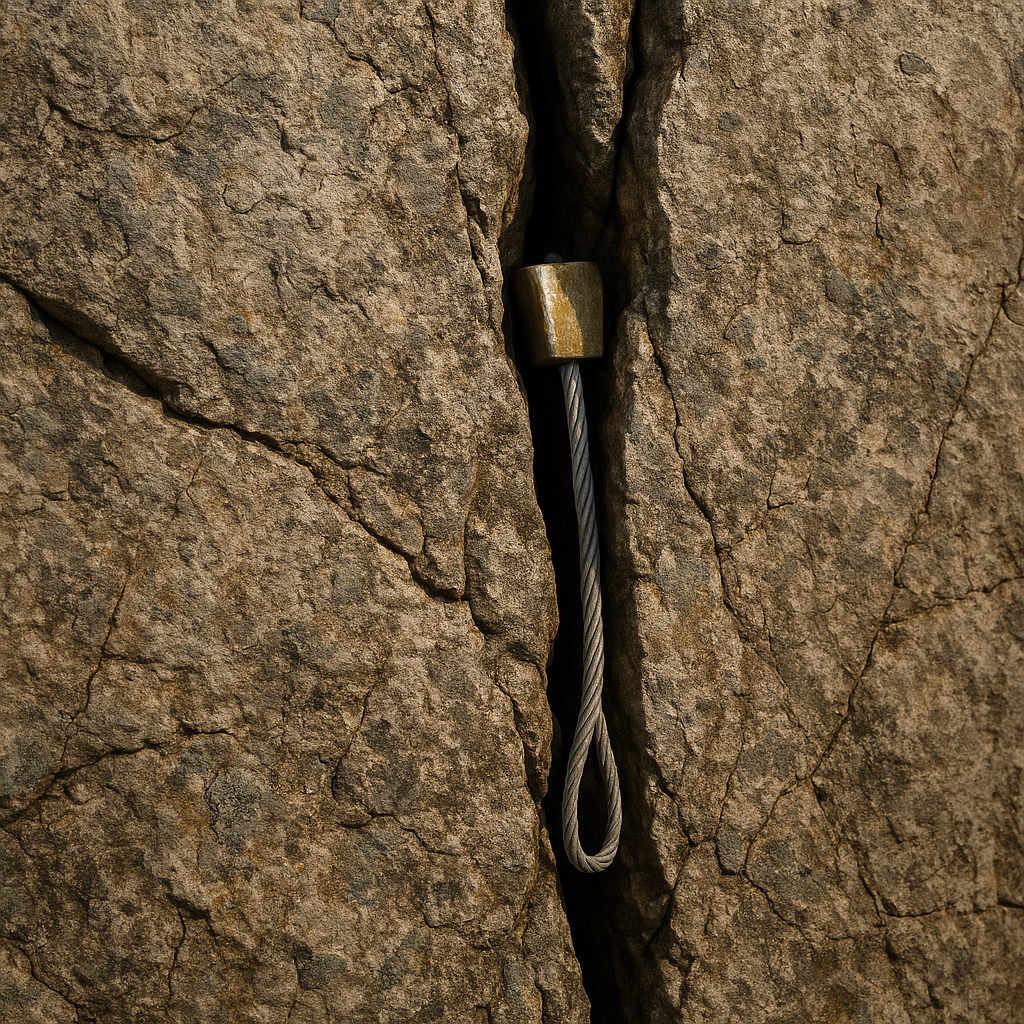
The film premieres on Netflix 24 April 2026, but its ghost will linger. Somewhere in the Wollemi wilderness a single climbing nut remains wedged in a crack, already rusting into the sandstone - a private pact between a jacaranda-climbing kid from Benoni and the ancient rock that taught her how to fall upward.
What challenges did Charlize Theron face while filming Apex?
Charlize Theron endured significant physical challenges during the filming of Apex, including walking barefoot on 42°C sandstone, resulting in bruised and torn feet that required medical attention. She also performed dangerous free-solo climbs and fight scenes without choreography, emphasizing the film's raw, authentic portrayal of survival.
How did the filmmakers achieve the realistic and intense atmosphere of Apex?
The director, Baltasar Kormákur, aimed for extreme realism. This included Charlize Theron performing dangerous stunts without safety nets, such as climbing without ropes. Production designers used actual elements like shattered smartphone glass for sound effects, and cinematographer Robert Elswit over-exposed film to create harsh visual effects. Sound designer Chris Goodes recorded extensive bush audio, and composer Hildur Guðnadóttir created unsettling sub-bass frequencies to enhance viewer discomfort.
What was the inspiration behind the story of Apex?
The idea for Apex originated from a 19-page concept by Australian novelist Hannah Kent, who, after a camping trip, posed the question: “What if the land itself works as the killer’s accomplice?” This concept, where the harsh environment acts as an antagonist alongside the stalker, immediately captured Netflix's interest.
How did Taron Egerton prepare for his role as the stalker, Crowe?
Taron Egerton underwent significant physical and psychological preparation for his role as Crowe. He lost ten kilograms, allowed the Australian sun to scar over his tattoos, and studied a thylacine skeleton at the Melbourne Museum to adopt a primal, predatory movement style. His character is portrayed as a

Kagiso Petersen is a Cape Town journalist who reports on the city’s evolving food culture—tracking everything from township braai innovators to Sea Point bistros signed up to the Ocean Wise pledge. Raised in Bo-Kaap and now cycling daily along the Atlantic Seaboard, he brings a palpable love for the city’s layered flavours and even more layered stories to every assignment.
View all articles →