
From Breakups to Dating Profiles
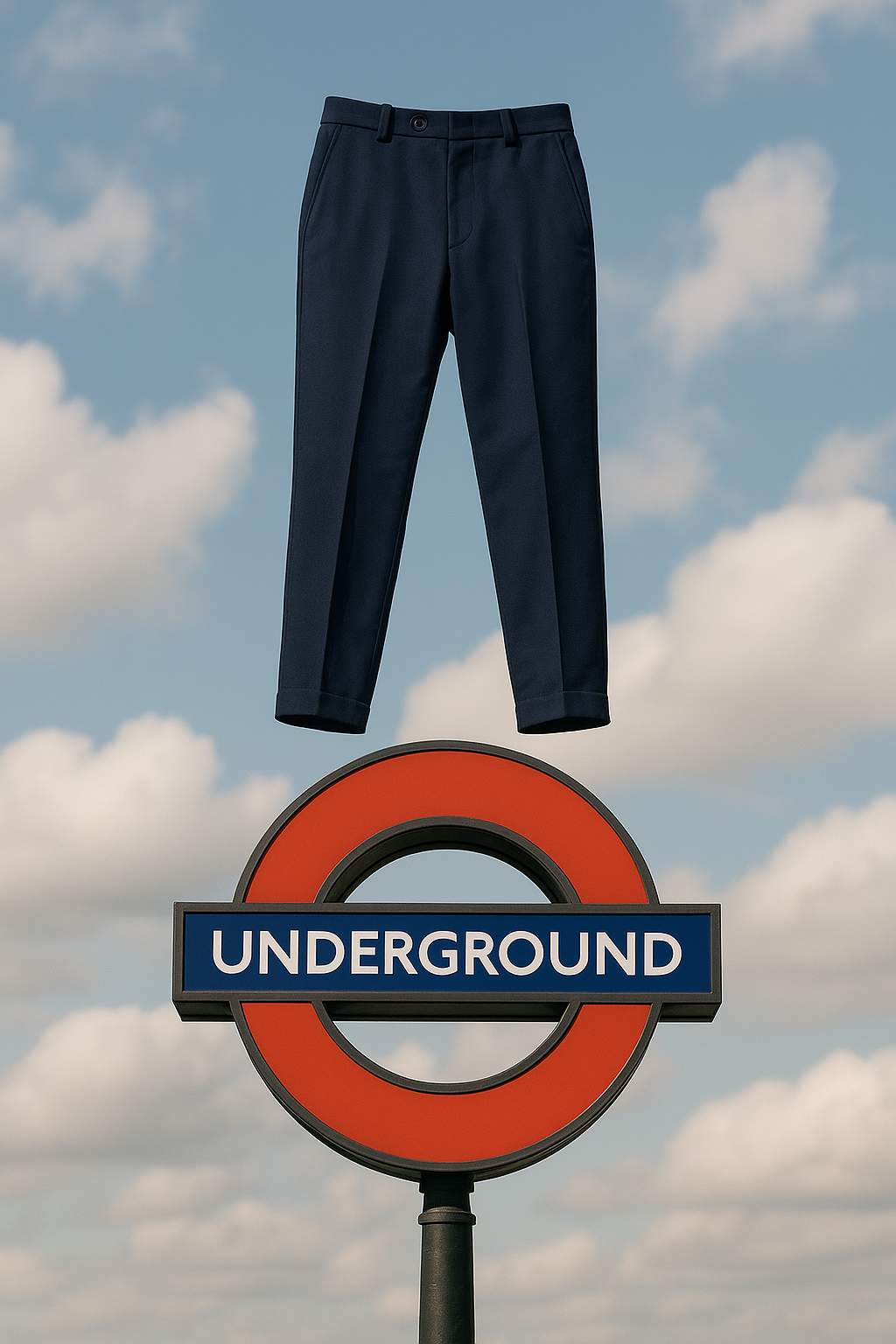
London's 'No Trousers on the Tube' event: a New York prank turned absurd midwinter ritual where commuters ride underwear-clad.
Bare Legs on the Underground: London’s Frost-Bitten Festival of Trousers Left at Home
London's "Bare Legs on the Underground" event is super weird and fun! Folks take off their pants on the Tube in winter, just for laughs. Everyone acts normal, even though half-dressed people are everywhere. It started as a joke from New York and now it's a big, silly tradition where people show off their brave, bare legs.
What is the "Bare Legs on the Underground" event in London?
The "Bare Legs on the Underground" is an annual London event where participants ride the Underground without trousers or skirts, typically in January. Inspired by a New York City prank, it's a humorous and rebellious act, with participants adhering to strict etiquette like keeping a straight face and wearing "pub-safe" underwear.
Get Cape Town news in your inbox
Stay updated with the latest stories from the Mother City.
That First Glance: When January Commutes Turn Surreal
It starts with a blink-and-you-miss-it moment. The doors slide open at Brixton, a woman in a parka steps into the carriage, and something feels off. A slice of bare skin flashes between her boots and coat hem - no denim, no tights, just winter air and confidence. By Stockwell, two more passengers have boarded, equally trouser-less, discussing football as if half-dressing for the Arctic is standard Oyster-card protocol. Toddlers point and laugh; tourists fumble for their phones; seasoned Londoners stare harder at their screens, pretending not to notice the elephant - or rather, the underwear - in the room.
Officially, nothing unusual is occurring. No announcements, no staff intervention, no posters warning about the sudden outbreak of bare thighs. Transport for London’s annual press line is already in every newspaper: “Passengers are advised to wear suitable clothing, yet no regulation compels them to cover their legs.” That single sentence, frostier than the platform tiles, serves as an unspoken permit for the city’s cheeriest mid-winter rebellion.
The spectacle is scheduled for the first workable Sunday after Epiphany, when festive lights are down but credit-card bills are up. Weekend service is lighter, tourists scarcer, and the Siberian wind whipping through the tunnels guarantees that only the committed will shed their slacks. Organisers reveal the date only ten days ahead, a trick borrowed from flash-mob culture to keep both authorities and over-eager stag parties off balance.
From Manhattan Launderette to Jubilee Line: A Prank Crosses the Pond
Comedy writer Sam Dunham discovered the idea in 2009 while waiting for a spin cycle at the Barbican launderette, leafing through a discarded copy of the New York Post. An article on Big Apple commuters riding in pants-free glory inspired him to email five friends with the subject header: “Fancy freezing your knickers off for a laugh?” Sixteen shivering volunteers met at Liverpool Street that February, most clad in M&S briefs beneath trench coats. They split at King’s Cross, regrouped on the platform, and pretended to be strangers. The only photographic evidence came from a puzzled German backpacker who assumed it was avant-garde theatre.
Word spread faster than a late-night Northern line train. By 2011 more than 150 people turned up; BBC Three shot a short segment; #MindTheGap became a double entendre trending across Twitter. Headlines ranged from “Latitude for Latitude” to “The Long Johns’ Goodbye,” and a tradition was christened in British self-mockery. The stunt now draws students, baristas, software engineers on booked annual leave, and intrepid pensioners eager to scandalise their grandchildren. The only common thread is a willingness to let the city see one’s knees turn cerulean for the sake of a communal punch-line.
Dress Codes, Straight Faces and the Art of Not Getting Arrested
Participants follow a meticulous sartorial brief: coats and scarves must look convincingly winter-proof; footwear should be sensible - no one wants frost-nipped toes; underwear must be “pub-safe,” ruling out thongs, mesh or anything that could breach public-order legislation. A spare pair of jeans travels in a tote bag, insurance against any officer who decides today is the day to enforce half-forgotten decency laws. The rehearsed excuse - delivered in the crisp tone of someone who left their suit on the dry-cleaning rail - must be “I simply forgot,” followed by a shrug worthy of a West End thespian.
Keeping a straight face is the hardest rule. Giggling marks you as a rookie; corpsing into laughter risks drawing staff attention and ruins the collective illusion of accidental undress. A clandestine WhatsApp group nicknamed “The Irons” polices etiquette: pole-dancing, serenading fellow commuters, or brandishing cheeky placards earns a two-year ban. The result is a peculiar social contract - hundreds of Londoners half-naked yet hyper-polite, squashed against strap-hangers who refuse to acknowledge the elephant, or aardvark, in its Y-fronts.
Psychologists call the appeal “safe-edge risk.” The brain registers a minor breach of convention - trousers are missing! - yet the train still runs on time, no property is damaged, and the queue for the Oyster reader remains inviolate. Riders taste rebellion without courting consequence, and the city flexes its famous talent for ignoring the absurd so long as the rules of carriage are observed. Add the Tube’s ambient 22 °C and the body reheats quickly, turning potential frostbite into a strangely cosy conspiracy.
Thighs Across the Mersey: Global Imitations, Viral Moments and a Peek at Tomorrow
London is now node number four in a 60-city network. Berliners stitch LED lights into their boxer shorts; Delhi riders protest dress-code sexism by swapping trousers for flowing kurtas beneath bare legs; Helsinki once fielded a man in hand-knitted long-johns printed to resemble skin. Only Moscow attempted to license the ride; city hall refused on “moral-hygiene” grounds, so participants exchanged thermal leggings on the platform like spy-swap briefcases and still boarded trouserless.
Climate projections warn winters could warm by 1.5 °C before 2035, threatening the goose-pimpled cachet. Organisers have trialled a July “No-Socks-on-the-Bakerloo” spin-off, recreating 1890s heatwave fashion, but purists insist January’s red-frozen knees are non-negotiable. Whether the ritual evolves or freezes in its current form, the invitation remains open. Iron your coat, choose underwear you’d proudly show your gran, top up your Oyster, and wait for the frost. Somewhere between Regent’s Park and Lambeth North, a stranger will nod in shared, half-dressed solidarity - the highest honour a Londoner can bestow on another brave soul.
What is the "Bare Legs on the Underground" event?
The "Bare Legs on the Underground" is an annual event in London where participants ride the Underground (Tube) without wearing trousers or skirts during winter, typically on a Sunday after Epiphany in January. It's a humorous and rebellious act, inspired by a similar event in New York City.
When and where did this event originate?
The event originated in New York City as a prank. In London, the idea was discovered by comedy writer Sam Dunham in 2009. He organized the first London event in February of that year, starting with 16 volunteers who met at Liverpool Street.
What are the key rules or etiquette for participants?
Participants must adhere to strict etiquette. They are expected to maintain a straight face and act as if nothing unusual is happening. Clothing should appear winter-proof (coats, scarves), sensible footwear is required, and underwear must be "pub-safe" (no thongs, mesh, or anything that could breach public-order legislation). Participants also carry a spare pair of jeans in case of intervention.
Why do people participate in this event?
People participate for the humor, the sense of rebellion, and the communal experience of a "safe-edge risk." It allows them to breach a minor social convention without severe consequences, enjoying a collective punch-line and a moment of shared, absurd solidarity. It attracts a diverse group, from students to pensioners.
How has the event evolved and spread globally?
From its start with 16 participants, the London event grew significantly, drawing over 150 people by 2011 and gaining media attention. It has since become part of a network of similar events in over 60 cities worldwide, including Berlin, Delhi, Helsinki, and Moscow, with each location adding its unique twist.
What is the future outlook for "Bare Legs on the Underground"?
With climate projections indicating warmer winters, there's a concern about the event losing its "goose-pimpled cachet." Organizers have explored spin-off ideas, such as a summer "No-Socks-on-the-Bakerloo" event. However, purists insist that the January event, with its characteristic red-frozen knees, is non-negotiable for maintaining the tradition's core spirit.

Zola Naidoo is a Cape Town journalist who chronicles the city’s shifting politics and the lived realities behind the headlines. A weekend trail-runner on Table Mountain’s lower contour paths, she still swops stories in her grandmother’s District Six kitchen every Sunday, grounding her reporting in the cadences of the Cape.
View all articles →