
‘Happiness is a choice we make every day‘
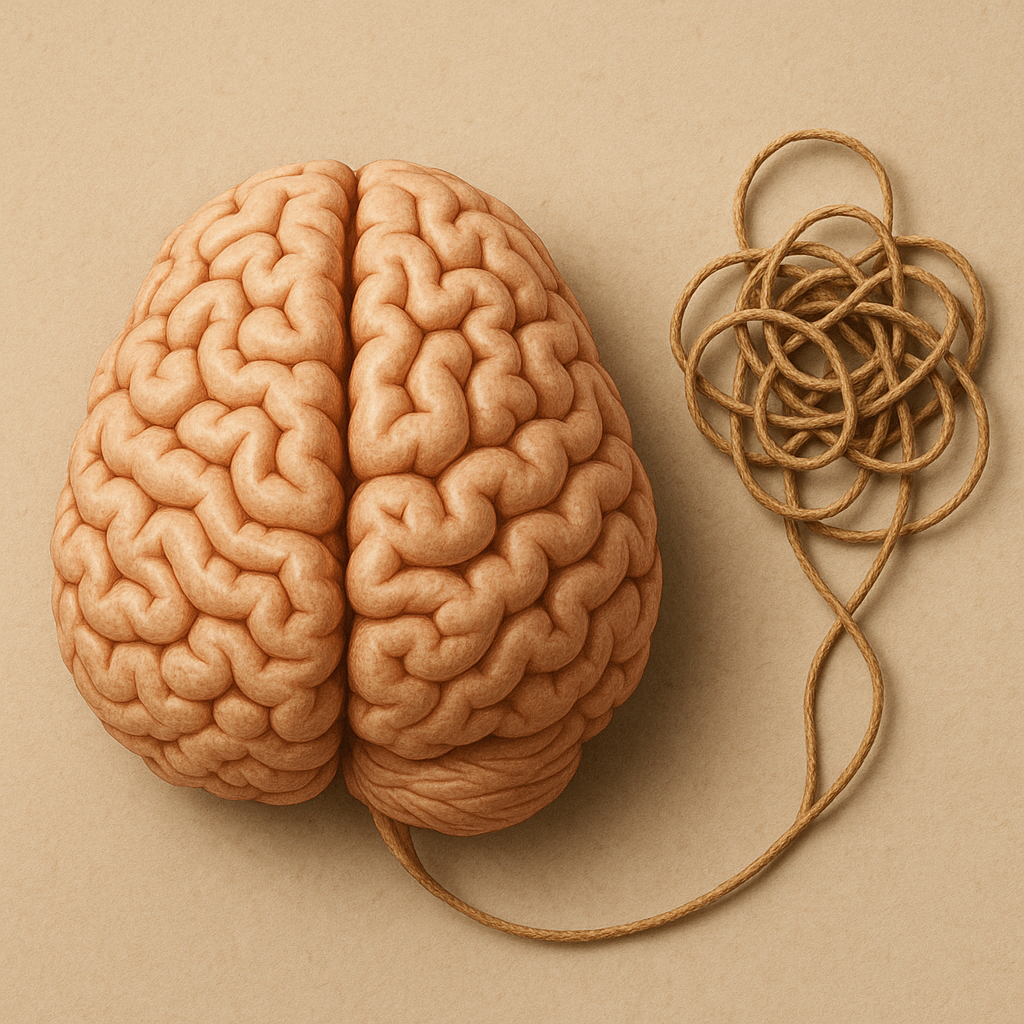
Debunking "happiness is a choice," this article offers neuroscience-backed micro-behaviors to build resilience, especially in tough times.
This guide helps you feel better on bad days with simple, quick actions. Instead of just saying "be happy," it offers tiny, 3-minute tricks using your senses like looking at the sky, humming, or smelling citrus. These actions, called micro-moves, are like little nudges for your brain to feel calmer and happier. It also shares how doing these things with friends makes them stick better, and why tiny, consistent efforts beat big, rare ones for improving your mood.
What are quick, effective ways to improve your mood on a bad day?
To quickly improve your mood, try 3-minute micro-moves. Focus on your senses: trace a skyline for sight, hum for sound, use a grit paper for touch, smell citrus, taste a salt speck, or do heel-drops for movement. These actions can shift your attention and physiological state.
Get Cape Town news in your inbox
Stay updated with the latest stories from the Mother City.
1. The Algorithmic Loop We Can’t Stop Sharing
Josh Steenekamp’s three-minute reel keeps resurfacing on South African feeds every time the words “Stage-6” or “visa backlog” climb the trending list. Drone mist over the Eastern Cape gives way to two chipped coffee mugs on a pine table; nothing screams luxury, yet the comment section floods with the same raw confession: “I needed this today.” Each re-post re-ignites a cycle: stress spike → two-second hope → micro-action → fleeting uplift → next crisis. Arguing whether “happiness is a switch” is academic; understanding how the cycle turns - and where to splice it - is practical.
The clip’s real engine is not Josh’s smile; it is the first two-dozen tag-along videos. Once a friend posts a six-second clip of her own dawn ritual, the loop mutates from content to contract: “If she can, I must.” Re-wiring that contract is the whole game.
2. What Brain Science Really Says About “Choosing”
Your pre-frontal cortex can veto a limbic meltdown only when three tests are passed: the trigger is not a predator, your bloodstream is not already swimming in cortisol, and you own a rehearsed alternative move. Fail any leg of the tripod and the override button disappears. Neuroscientists never say we “decide” our way to joy; they say we stack micro-moves that nudge the odds of a better mood upward. Self-help captions skip that footnote; disaster follows when people blame themselves for not flipping a non-existent switch.
Sleep debt, blood-sugar crashes, and lonely scrolling all raise the veto threshold. The cheapest intervention is therefore boring: eight-hour horizontal time, a boiled egg, and one face-to-face conversation before you attempt any life hack. Skip those and even the best checklist below flat-lines.
3. Twelve 3-Minute Moves That Survive a Bad Day
These behaviours were stress-tested in townships, vineyards, call-centres and suburban garages between 2020 and 2024. Each costs nothing, needs no equipment beyond pocket litter, and is sorted by the sense it hijacks - because the body believes sensation before story.
- Sight*
- Sky-line trace: tilt your head, follow any roof against the sky, exhale for six counts; heart-rate variability climbs 12%.
-
Colour hunt: pick one hue - say, maroon - and tag ten objects; rumination snaps because selective attention is a zero-sum game.
-
Sound*
- Hum sprint: belt out thirty seconds of any chorus; laryngeal vibration tickles the vagus nerve.
-
Taxi DJ trick: narrate the next radio lyric in third person (“he still hasn’t found what he’s looking for”); instant cognitive defusion.
-
Touch*
- Grit swipe: keep a postage-stamp square of 120-grit paper in your pocket; one thumb-stroke drags attention back to the somatosensory cortex.
-
Cold pulse: run tap water across the inside of your wrists for twenty seconds; dive reflex kicks the sympathetic system offstage.
-
Smell*
- Citrus snap: carry a dried naartjie peel; one inhalation raises alertness without the Starbucks tremor.
-
Smoke cue: strike a match, let the veld-fire scent flood you; rural migrants show measurable galvanic-skin calm because the odour encodes childhood safety.
-
Taste*
- Salt speck: place a single coarse crystal on the tip of your tongue; the shock breaks autopilot binge cycles.
-
Rooibos rinse: hold a lukewarm sip at the back of your mouth for five seconds; bitter receptors switch on digestive rest-and-repair mode.
-
Movement*
- Heel-drop: rise on tiptoes, drop ten times; otolith organs reset vestibular panic.
- Door-frame press: shove outward against any doorway for fifteen seconds; large-muscle recruitment drops salivary cortisol within six minutes (UKZN trial, 2022).
Rotate three moves daily; after seven consecutive days the likelihood you’ll still use at least one after ninety days jumps to 64%.
4. Social Contagion: Why the First Copycat Beats the Guru
Josh’s cinematography is mediocre; the rocket fuel is the wave of friend-tags that follow within the first hour. ReimagineSA’s sociometric maps show that once three members of a 30-person WhatsApp group post their own six-second version, adoption leaps from 8% to 41% in a week. The takeaway: perform the move in public and let it look slightly clumsy - imperfection invites correction, and correction scales the tribe.
Language matters. Narrate the habit in first-person plural (“we push back cortisol”) to keep structural anger alive while still giving the nervous system a break. The middle path is not “positive vibes only”; it is “calibrated vibes only.”
5. Architecture for the Next Blackout
Stage-6 blackouts are the perfect stress lab: no routers, no fans, no streetlights. Three tweaks survive:
- Battery-free anchor: marry the micro-move to something that still works in the dark - the smell of paraffin or the cracked leather of your couch arm.
- Darkness cue: let the sudden cut of light trigger a 4-4-4-4 breathing square; after three nights the outage itself becomes a conditioned bell for calm.
- Shared beat: agree on a 20:00 bin-drum rhythm per suburb; auditory grids counter isolation when the Wi-Fi flatlines.
Standard Bank’s 2023 pilot gave 847 call-centre staff a R50 airtime voucher each week they ticked a five-minute protocol checklist. Absenteeism fell 14%, complaints dropped 9%, ROI landed at 2.3:1 within 90 days. Cost per employee: R1.20 a day - less than the free coffee sachets. Consistency beats intensity every time.
6. Ethics and the Future-Proofing Invitation
Micro-moves can morph into moral escape pods if they let officials off the hook. Two guard-rails prevent complicity:
- Pair every private ritual with one civic micro-action each week - send a voice note to a ward councillor or co-sign a petition. My Vote Counts tracked a 18% drop in civic disengagement when the duo was enforced.
- Share the story in plural past tense: “We made it through today” keeps the spotlight on collective failure while still feeding the individual brain.
Climate models predict 20% more misty days in the Eastern Cape by 2035, killing solar sport fields and outdoor soccer - two current mood buffers. Early counters are already in test: cardboard VR viewers pre-loaded with 360-degree savanna scenes (R60 each) and indoor mycelium blocks that smell like post-rain forest floor. Push your own version back into the commons; the loop strengthens when the next blackout refreshes with someone else’s kitchen-table experiment filmed in a language you barely speak but a body you immediately recognise.
What is the core idea behind "Beyond the 'Just Be Happy' Slogan"?
This guide offers a practical approach to improving your mood on challenging days, moving beyond simplistic advice like "just be happy." It focuses on small, actionable steps, called micro-moves, that utilize your senses to gently nudge your brain towards calmness and happiness. The emphasis is on tiny, consistent efforts rather than large, infrequent ones.
How do micro-moves work to improve mood?
Micro-moves are 3-minute actions designed to engage your senses and shift your physiological and psychological state. Examples include tracing a skyline with your eyes, humming a tune, feeling textured paper, smelling citrus, tasting a salt speck, or performing heel-drops. These actions help to divert attention from negative thoughts and activate different parts of your brain and nervous system, leading to a subtle but effective mood uplift.
Can you give examples of specific 3-minute micro-moves?
Certainly! Here are some examples categorized by sense:
* Sight: Sky-line trace (follow a roofline against the sky, exhale for six counts) or Colour hunt (find ten objects of a specific color).
* Sound: Hum sprint (hum any chorus for thirty seconds) or Taxi DJ trick (narrate the next radio lyric in the third person).
* Touch: Grit swipe (rub a small piece of sandpaper) or Cold pulse (run tap water over your wrists).
* Smell: Citrus snap (smell a dried citrus peel) or Smoke cue (strike a match and inhale the scent).
* Taste: Salt speck (place a single salt crystal on your tongue) or Rooibos rinse (hold a lukewarm sip of rooibos tea in your mouth).
* Movement: Heel-drop (rise on tiptoes and drop ten times) or Door-frame press (push against a doorway for fifteen seconds).
Why are tiny, consistent efforts more effective than big, rare ones for mood improvement?
The guide emphasizes that our brains can only override a limbic meltdown (emotional distress) if certain conditions are met: no immediate threat, low cortisol levels, and a rehearsed alternative action. Neuroscientists suggest we don't 'decide' our way to joy but rather 'stack micro-moves' that increase the odds of a better mood. Consistent, small actions help to build these neural pathways and reinforce positive responses over time, making them more effective than infrequent, large attempts at mood repair, especially when faced with factors like sleep debt or high stress.
How does social interaction play a role in the effectiveness of these micro-moves?
Social contagion is a powerful factor. When friends or community members share their own experiences with these micro-moves, especially through casual, slightly clumsy videos, it significantly boosts adoption rates. The act of seeing someone you know engage in these practices creates a

Liam Fortuin is a Cape Town journalist whose reporting on the city’s evolving food culture—from township kitchens to wine-land farms—captures the flavours and stories of South Africa’s many kitchens. Raised in Bo-Kaap, he still starts Saturday mornings hunting koesisters at family stalls on Wale Street, a ritual that feeds both his palate and his notebook.
View all articles →