
Lion’s Head for the best views
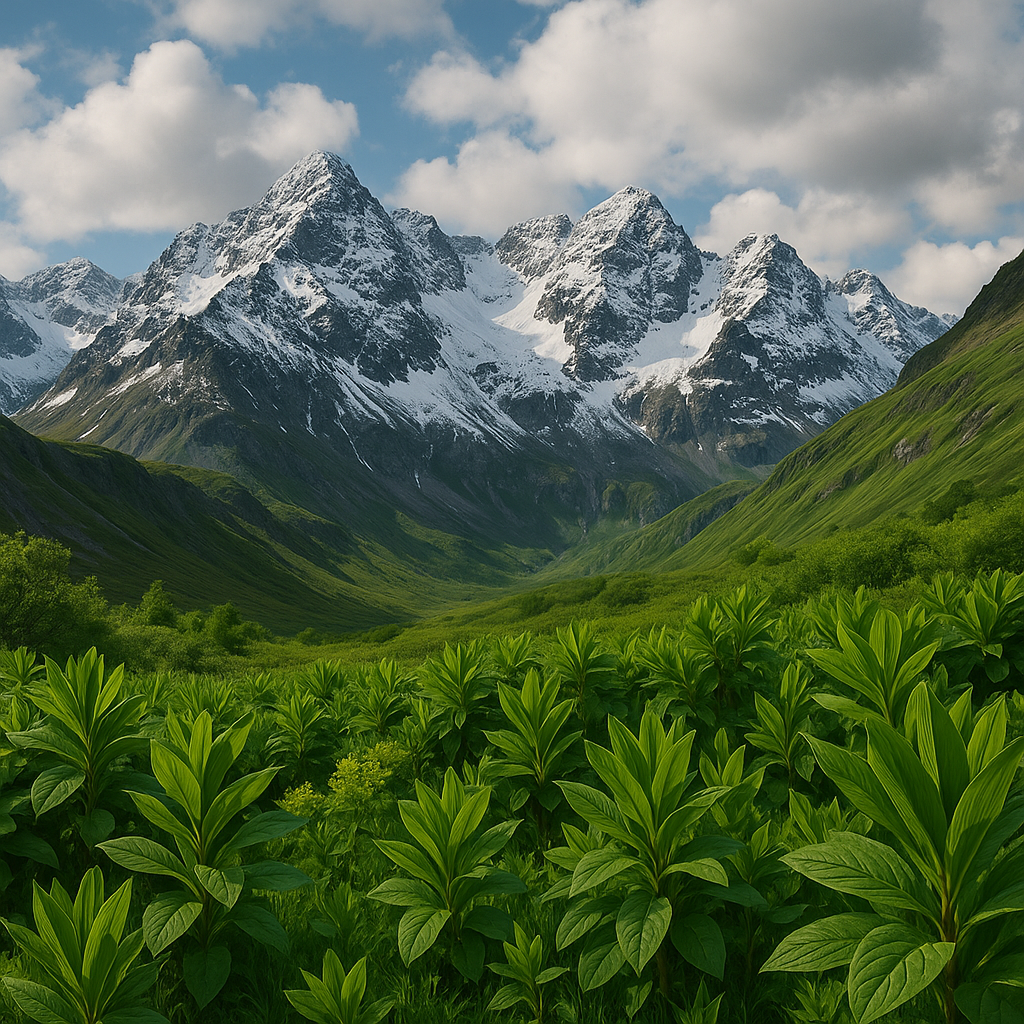
Discover Cape Town's hidden trails! Explore 7 lesser-known mountain ascents, from snow-dusted peaks to whale-watching balconies. Find solitude & adventure.
Cape Town's mountains are alive, telling time with snow and rare plants. Forget the usual tourist spots; hidden trails offer stunning views and quiet adventures. Discover seven secret paths, like Kloof Corner Ridge with its amazing Camps Bay views, or Elsie's Peak, perfect for whale watching. Be ready for strong winds and tricky paths, but the reward is unforgettable beauty and a true local experience.
What are some secret hiking trails in Cape Town?
Seven secret hiking trails in Cape Town include Kloof Corner Ridge, Corridor Ravine, Saddle to Saddle, Elsie's Peak, Constantia Corner, Swartkop, and Tygerberg. These less-traveled paths offer unique perspectives of the city and its natural beauty, providing solitude and stunning views away from the more popular routes.
Get Cape Town news in your inbox
Stay updated with the latest stories from the Mother City.
The Snow That Starts the Clock
Table Mountain’s upper deck is no mere backdrop for postcards; it is the city’s own almanac. From late May to mid-September, a whisper-thin layer of snow lands after dark and vanishes with the morning sun. That fleeting white breath is enough to flip an internal switch inside at least nine plant species found nowhere else on earth - seeds that refuse to wake until they have tasted freeze and thaw. Early risers on the contour path can watch the drama unfold: grey ramparts blush porcelain-pink, then shed the colour like a secret as emerald disa orchids appear where seeps drip in slow motion. Guidebooks love the marquee trio - Lion’s Head, the Front Table, Helderberg - but the real story is woven through the lesser-known ridges, whale-backed hills and forested gullies that locals treat like private gardens. Below are seven such climbs, each demanding nothing more than sweat and curiosity, each returning solitude in exchange.
Kloof Corner Ridge – The Balcony Above Camps Bay
Most sunset shots of Lion’s Head are snapped from a parking bay; the image that makes locals homesick is taken 250 m above the first hair-pin on Tafelberg Road. Reach it via the Apostle’s Path, a forty-five-minute traverse that slips between the last pines of the old zoo and finishes on a fin of rock wide enough for ballet. The Atlantic unrolls like blue theatre velvet, and at equinox the sun slips exactly into the notch between Lion’s Head and Signal Hill - an alignment Khoi herders once used to sow sour figs. Descend before the dew; the sandstone slabs polish themselves into glass each night.
Corridor Ravine – The Invisible Gorge
Platteklip is famous, Corridor is not. A vegetative tunnel so narrow winter waterfalls stroke both shoulders, it begins 400 m past the Lower Cable Station. Duck under a boom that masquerades as service access, then veer left into afro-montane hush. For the first kilometre sound is muffled by moss; the only punctuation is the liquid click of the Knysna turaco. The gradient eases at the “Window”, a natural frame that cups the city bowl like Sung porcelain. Above, the trail cork-screws onto the Front Table beside a stone tap installed by Italian POWs in 1942 - still potable, still welcome.
Saddle to Saddle – The Twelve-Hour Horseshoe
Fit trekkers can chain Devil’s Peak, Maclear’s Beacon and the Twelve Apostles into a 22 km horseshoe that never drops below 600 m. Start in the dark above Groote Schuur, hit the beacon by eight, then cruise the undulating spine. Old trig maps number each Apostle, but hikers prefer nicknames: No. 3 is “Hungover” because its cairn leans like a drunk; No. 7 is “Librarian”, forever shrouded in cloud. The final haul down Kasteelspoort delivers you to Camps Bay in time for a barefoot beer on the sand.
Elsie’s Peak – The Whale-Watcher’s Lookout
South of the suburbs, a humble 380 m quartzite bump gives the quickest payoff on the peninsula. The climb from Glencairn Expressway takes twenty-five minutes, yet the summit unveils the entire False Bay arc. On crisp winter mornings you can see southern right whales exhale plumes back-lit like cold camera flashes. A geocache tin under the cairn holds a disposable camera; snap a selfie and leave a memory. Since 2004 more than 8 000 faces from 67 countries have been digitised by SANParks - an accidental global diary.
Constantia Corner – The Vineyard Ledge
The mountain’s eastern flank grows vines on soil first ploughed in 1685. A jeep track leaves Buitenverwachting farm, switch-backing through pines until it pops onto a basalt terrace at 500 m. Left: corduroy rows of Groot Constantia. Right: wild Nursery Ravine, a chaos of fallen tree ferns and disa lilies. Shards of 18th-century bottles litter the ground; historians reckon casks were once hauled uphill to escape valley heat. Pack ciabatta and chilled Chenin, but descend before 3 p.m. when the summer south-easter barrels up the ravine like a freight train.
Swartkop – The Shark-Fin behind Noordhoek
Swartkop’s 678 m dark silhouette closes the view at Long Beach. Start beneath the crumbling Skilpadsvlei dam and follow a cattle track carved by 19th-century farmers dodging Chapman’s Peak toll. The final hundred metres is a scramble on caramel sandstone so soft you can shave it with a fingernail - hence the sailor graffiti etched by deserters from East Indiamen. Halfway up, a rectangular slot once held a brass trig plate now housed in the Iziko Museum. From the apex Noordhoek Beach unfurls like a blonde ribbon; hang-gliders ride thermals to the sand below.
Tygerberg – The Hill of Stripes and Flowers
Twenty minutes up the N1, a 26 km ridge explodes into colour each spring. More than 450 plant species crowd 388 ha of reserve; twelve live nowhere else. Iron-rich bands oxidise to tiger-stripes against granite bones. Park at the Kristo Pienaar Centre, follow the 5 km Dragonfly Trail, and join August’s citizen-science bioblitz - last year kids logged 37 bee species before lunch, including the critically endangered Cape sugarbird bee.
Wind, Water and What Bites Back
Cape Town’s summits obey wind, not weather apps. The south-easter (“Cape Doctor”) can top 100 km/h; the north-wester arrives as cold steam. Veterans watch Windguru at 850 hPa: 25 knots usually grounds the cable car. Another clue: when para-glider pilots kite their wings on Signal Hill but never launch, expect gusty ridges within the hour.
Water is plentiful in winter, shy in summer. The historic reservoirs atop Table Mountain are fenced, yet a spillway below Disa Tower often yields a filterable trickle. Among the Apostles, the only reliable spring seeps from a crack behind Apostle No. 5’s “Worm Hole” - a drip slow enough for a patient top-up.
Plants defend themselves. Metalasia muricata (“stekkiesbos”) hides silica barbs; swipe with a fern frond to draw out splinters. Blinkblaar berries look tempting but carry cardiac glycosides; chew buchu leaves growing nearby for an antidote. Berg adders bask at shoe-height in 18–24 °C weather; give the zig-zag pattern a body-length berth. Black eagles nest on Devil’s Peak - if you hear a whistle and see a shadow, stand still; upward motion invites a harmless but memorable dive-bomb.
Night, Logistics and the Long Game
Full-moon hikes are civic rituals. On the 13th south-easterly lunar track, the orb lifts above the Hottentots-Holland exactly 47 minutes after sunset. Lion’s Head turns into a kombucha disco; Kloof Corner stays quiet, its east-facing ridge pouring silver light across the bowl while the Atlantic side stays cobalt. Pack a down jacket - radiative cooling can lop 8 °C off the thermometer within an hour.
Buy your R50 day permit online; scanners at trailheads read the QR code from your phone. Gates at Silvermine and Cape Point close at 18:00 in summer, 17:00 in winter - overtime fines are R250 and non-negotiable. Night walking is banned without a guide, but full-moon exits before 22:00 are winked at.
When the marquee routes fade, stretch further. Thread Kasteel, Cecilia and Skeleton gorges into a 19 km day with 1 800 m gain - local trail runners finish in three hours, mortals should budget six for tannin-dark pools. The five-day 65 km Hoerikwaggo Trail to Cape Point now offers tented camps and hot showers. Or chase the winter solstice Brocken spectre: snow on the plateau plus a 90° sun-break at 07:42 on 21 June can conjure your shadow crowned by a circular rainbow - best seat in the house is Maclear’s Beacon.
Carry Slingsby’s waterproof 1:25 000 map or the Mountain Club’s free 1:10 000 ravine sheets; 6 mm cord for hand-lines is wise after big storms. Save Mountain Rescue on speed-dial - WhatsApp pin-drops have cut average response to 92 minutes. Pack out everything, even orange peels; cigarette stompies are the commonest trail trash, so bring a film canister for butts.
The city keeps sprawling, roads climb, yet expatriates don’t pine for postcard skylines - they ache for the angle of dawn light on sandstone, the peppery scent of buchu under boot, the moment a cloud wipes cold silk across a cheek. These mountains ride a tectonic conveyor northward while acidic groundwater gnaws from beneath. In deep time they will be beach sand; in our time they are an hourglass we can reset only by climbing back into the light.
What makes Cape Town's mountains unique and how do they tell time?
Cape Town's mountains are considered a "living calendar" because they signal seasonal changes through natural phenomena. For instance, a thin layer of snow appears on Table Mountain from late May to mid-September, which is crucial for triggering the germination of seeds from at least nine endemic plant species. This natural cycle, along with the appearance of emerald disa orchids, indicates the passage of time and the changing seasons.
What are some "secret" hiking trails in Cape Town and what do they offer?
While popular spots like Lion's Head and the Front Table are well-known, Cape Town boasts seven secret trails that offer unique experiences. These include Kloof Corner Ridge for stunning Camps Bay views, Corridor Ravine with its unique afro-montane environment, Saddle to Saddle offering a challenging 22km horseshoe route, Elsie's Peak for prime whale watching, Constantia Corner with vineyard views, Swartkop providing panoramic views of Noordhoek, and Tygerberg, known for its diverse flora. These trails promise solitude, unforgettable beauty, and a true local experience away from the crowds.
What are the environmental challenges hikers might face on these trails?
Hikers should be prepared for strong winds, especially the "Cape Doctor" (south-easter) which can reach speeds over 100 km/h. Water availability varies, being plentiful in winter but scarce in summer, though some historic taps and springs exist. Additionally, some plants, like Metalasia muricata, have hidden barbs, and certain berries are poisonous. Hikers should also be wary of Berg adders and black eagles, which can dive-bomb if disturbed.
Are there any specific logistical considerations for hiking in Cape Town's mountains?
Yes, there are several. A R50 day permit is required and can be purchased online. Gates at reserves like Silvermine and Cape Point close at 18:00 in summer and 17:00 in winter, with fines for late exits. Night walking is generally banned without a guide, though full-moon exits before 22:00 are often tolerated. It's highly recommended to carry a waterproof map (Slingsby’s 1:25 000 or Mountain Club’s ravine sheets) and save Mountain Rescue's number. Always pack out all trash, including cigarette butts and orange peels.
What unique natural phenomena can be observed in these mountains?
Beyond the seasonal snow, hikers can witness the equinox sunset alignment from Kloof Corner Ridge, where the sun sets precisely between Lion’s Head and Signal Hill. Elsie's Peak offers incredible opportunities for spotting southern right whales. In winter, the rare "Brocken spectre" can be observed, where a hiker's shadow is crowned by a circular rainbow if conditions are just right (snow on the plateau and a 90° sun-break at 07:42 on June 21st).
What are some of the longer and more challenging hiking options available?
For fit trekkers, the "Saddle to Saddle" route is a 22 km horseshoe connecting Devil’s Peak, Maclear’s Beacon, and the Twelve Apostles. More challenging options include combining Kasteel, Cecilia, and Skeleton gorges into a 19 km day hike with 1,800m elevation gain. For a multi-day adventure, the 65 km Hoerikwaggo Trail to Cape Point offers tented camps and hot showers, allowing for a deeper immersion into the mountain's diverse landscapes.

Aiden Abrahams is a Cape Town-based journalist who chronicles the city’s shifting political landscape for the Weekend Argus and Daily Maverick. Whether tracking parliamentary debates or tracing the legacy of District Six through his family’s own displacement, he roots every story in the voices that braid the Peninsula’s many cultures. Off deadline you’ll find him pacing the Sea Point promenade, debating Kaapse klopse rhythms with anyone who’ll listen.
View all articles →