the ultimate mother city guide





Cape Town News


South Africa’s tax authority, SARS, is now using smart technology like artificial intelligence to track the money social media influencers earn from cash payments to freebies like sponsored trips or products. Influencers must report all their income or face fines, as digital work is no longer invisible to tax laws. This big change pushes many creators, who often start as hobbyists, to learn how to manage their new business and taxes. It shows that online fame comes with real responsibilities, blending fun creativity with the rules everyone must follow.


Jannie Mouton plans to buy Curro Holdings and turn it into a nonprofit school network to make quality education more affordable and accessible in South Africa. With a massive R7.2 billion deal, his foundation aims to offer more scholarships and improve school facilities. This bold move could change South African private education forever, shifting the focus from profit to helping more children learn and grow. Mouton’s vision is about building a lasting legacy that opens doors for thousands of students who might otherwise be left out.

In September 2025, South Africans can expect fuel prices to drop thanks to a stronger rand and cheaper global oil. Petrol, diesel, and paraffin will all become a bit more affordable, offering relief to drivers and families struggling with costs. This rare good news brings hope to commuters, taxi operators, and businesses, easing budgets and brightening the mood across the country. For now, the roads buzz with a quiet optimism as the cost of filling up gets a little lighter.

South Africa’s electricity prices are rising because the energy regulator, Nersa, made big mistakes in calculating how much money Eskom needs to run the power system. This error left Eskom short by over R100 billion, forcing a legal battle and a settlement that pushed tariffs up by nearly 9% a year. These higher costs hit families and businesses hard, making electricity less affordable and sparking frustration across the country. The problem reveals deeper issues in South Africa’s power system, showing how crucial it is to fix mistakes quickly and rebuild trust for a brighter energy future.

The 11th G20 Parliamentary Speakers’ Summit in Kleinmond, South Africa, is a landmark gathering where world parliamentary leaders meet to talk, share ideas, and work together on big global challenges like climate change, equality, and sustainable development. Unlike usual G20 meetings, this summit focuses on parliaments as key players in shaping world policies. South Africa’s hosting highlights its inspiring journey from apartheid to democracy, setting a hopeful tone for progress and justice. The event also shines a light on African voices and includes special sessions for women and young parliamentarians, making it a vibrant, inclusive step forward in global cooperation.

The South AfricanTunisian collaboration has been a bright example of how teamwork in science can empower women. By sharing research, offering mentorship, and providing funding, both countries support women to thrive in science and lead innovation. Tunisia’s strong focus on gender equality inspires South Africa, while South Africa’s programs help women break barriers in STEM. Together, they show how science and friendship can open doors for women, creating fairer, smarter futures for everyone.
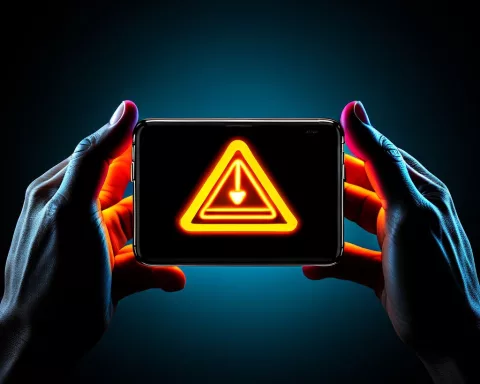

Electricity scams in Cape Town trick people with fake urgent messages, often sent through WhatsApp, saying their power will be cut off unless they pay right away. Scammers pretend to be city officials and ask for money through unofficial ways like ewallets, making it hard to get money back. To stay safe, residents should never pay through unofficial channels, always check suspicious messages by calling the City’s official number, and ask workers for their ID cards. Reporting these scams helps protect the whole community from falling victim. Remember: slow down, verify, and don’t let fear rush your decisions!

Fine Free Week is a special city event where overdue library fines are forgiven to encourage people to return their borrowed books without worry. This helps remove barriers, rebuild trust, and bring the community closer. Libraries are changing from places of punishment to welcoming hubs that support learning and connection for everyone. By making books easy to borrow and return, Fine Free Week helps everyone enjoy stories, knowledge, and growing together.

Tshidi Madia was a powerful and honest voice in South African journalism. She started from humble beginnings, working behind the scenes before becoming a sharp political reporter who never shied away from tough questions. Tshidi’s work helped hold leaders accountable and inspired many young journalists, especially women, to speak up. Even after her passing, her spirit lives on as a beacon of truth and integrity in the country’s fight for a stronger democracy.


In April 2024, Taylor Swift and Travis Kelce surprised the world by announcing their engagement with a funny Instagram post calling themselves “your English teacher and your gym teacher.” Their sweet story began when Kelce gave Swift a friendship bracelet at her concert, sparking a reallife romance that quickly grew under bright stadium lights. Swift’s presence at Chiefs games brought new energy to football, while both stars shared their journey openly online, showing a fresh, fun way for celebrities to connect with fans. Their love story blends oldfashioned charm with today’s digital age, proving that real love still shines bright, even in the spotlight.

Julius Malema, a fiery South African political leader, was found guilty of hate speech for words that sparked violence and hatred at a 2022 rally. The court’s ruling shows how South Africa carefully balances freedom of speech with protecting people’s dignity, holding leaders accountable when their words harm others. This case connects to the country’s deep history of struggle, showing how speech can both inspire change and cause pain. As debates heat up, South Africa continues to wrestle with what it means to speak freely while keeping peace and respect alive.

Up The Creek 2026 is a lively fourday music festival held by South Africa’s beautiful Breede River from February 58. It brings together top South African artists, fun river activities like floating and swimming, and a warm, creative community where everyone joins in. The festival feels like a magical escape where music, nature, and new friendships flow together under the stars. With colorful campsites, tasty local food, and a strong focus on protecting the river, Up The Creek is a special place to relax, dance, and make lasting memories.

South African women are being tricked by fake job offers on social media that promise work overseas but lead to dangerous, unwanted labor often in drone factories instead of the promised fields. Recruiters use trusted local figures and clever online tricks to make these offers seem real, trapping women far from home and family. The government and community groups are fighting back with education, verification tools, and stronger laws to protect women from this digital form of trafficking. Together, they hope to turn the tide against exploitation and build safer paths to real opportunities.
At Silverstream Primary School in Manenberg, a teacher’s assistant was accused of hurting children, causing fear and sadness in the community. Parents spoke out about their kids being pinched in ways that made them feel unsafe, and this led to investigations by the police and education department. The school and officials promised to take strong steps to protect the children, but many parents still worry and want real change. This painful event has shaken trust but also sparked hope that the community can come together to make schools safer for every child.


Keith Dodgen’s begging experiment in Cape Town showed how giving money on the street is full of mixed feelings kindness, discomfort, and social divides. By pretending to beg, he saw how people’s reactions were different: some gave generously, others avoided eye contact, and many just kept moving. The experiment also raised big questions about what charity really means and how it fits into a city full of sharp contrasts between rich and poor. In the end, Cape Town’s streets became a stage showing the struggles and hopes of everyday life, reminding us to think deeper about generosity and inequality.
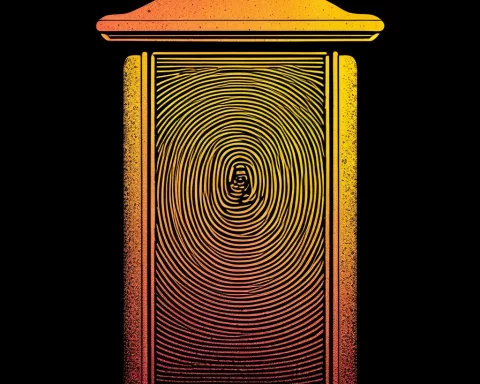

South Africa is changing how it pays social grants, moving from the Post Office (SAPO) to Postbank starting September 2025. New applicants will use biometric checks like fingerprints to get their grants, which aims to stop fraud and speed up payments. But many rural communities worry because local pay points are closing, meaning people might have to travel far just to collect money. This big shift mixes new technology with the challenge of keeping trust and support alive in towns and villages. The country hopes this change will protect everyone’s dignity while making the system fairer and safer.