the ultimate mother city guide






Cape Town News


Minister Thembi Simelane shared a hopeful vision for South Africa’s cities, focusing on building more affordable homes fast and making sure people have secure land rights. She wants everyone from the poorest to middleincome families to feel part of growing, safe, and green urban communities. Simelane called for teamwork between government, businesses, and communities to turn big ideas into real homes and opportunities. Her message was clear: lasting change happens when people work together to build cities where everyone can thrive.


Minister Velenkosini Hlabisa is leading South Africa’s bold plan to build cities that include everyone and stand strong against future challenges. His vision rests on five big ideas: teamwork across government, listening to communities, using new money and technology, fighting climate change, and boosting local leaders. South Africa’s cities are changing fast, and this plan hopes to turn struggles into smart solutions, making cities places where all people can live safely and with hope. The journey is tough, but with fresh ideas and shared effort, a brighter, fairer urban future is within reach.


Trees are powerful heroes in South Africa’s cities, cleaning the air, cooling hot streets, and making neighborhoods greener and healthier. Women leaders shine brightly, guiding communities toward smarter, kinder ways to grow cities that care for people and nature alike. With bold plans to plant millions of trees by 2025, South Africans are coming together to heal the land, fight climate change, and build a future full of hope. Each tree planted is a promise of life, strength, and a cleaner, cooler tomorrow for all.

South Africa has ended the R500 VAT exemption on imported goods, meaning all online purchases from abroad now face 15% VAT and 20% customs duty. This change aims to protect local jobs and businesses hurt by cheap imports from big foreign sellers like Shein and Temu, who used to avoid taxes by sending small, lowvalue parcels. While shoppers might pay more now, the new rules try to make shopping fair and help South Africa’s clothing and manufacturing industries survive and grow. It’s a big shift that will shape how people buy online and how local businesses compete in the future.


Table Mountain National Park is a beautiful and famous urban park in Cape Town, but it faces big challenges today. Rising violent crime, especially robberies, makes many visitors feel unsafe, while the park’s trails and historic sites suffer from erosion and neglect. Dedicated volunteers work hard to protect the mountain, cleaning trails and helping with safety, but the park needs strong teamwork between police, communities, and conservation groups to keep its natural beauty and history alive. Despite these struggles, Table Mountain remains a powerful symbol of nature’s strength and the city’s shared heritage.


Along Cape Town’s Atlantic coast, people and wildlife live side by side with kindness and care. Surfers and locals watch African penguins from a distance, help clean the beaches, and support groups working to protect endangered animals. One magical morning, a curious penguin even hopped onto surfers’ boards, showing a gentle bond between humans and nature. This special connection reminds everyone that protecting Cape Town’s wild coast is a shared job, filled with wonder and hope for the future.

Cape Town has introduced new fixed charges for cleaning, water, and sanitation based on property values instead of actual usage. Many homeowners feel this is unfair and may break constitutional rules, as it acts like a hidden tax hitting middleincome families hardest. The city argues the fees are needed to keep services running and help poorer communities. A court battle is underway, and its outcome could change how cities across South Africa raise money for public services. This fight is about fairness, the law, and how Cape Town shapes its future.
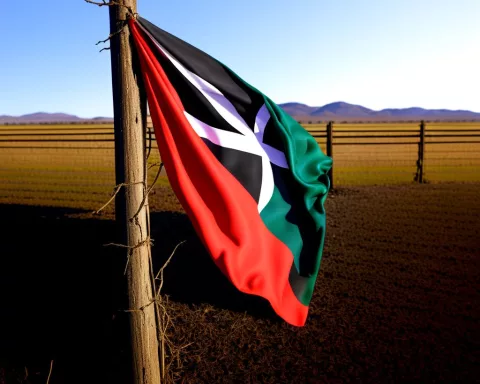

Dricus du Plessis, a South African UFC fighter, stirred strong feelings by speaking out about violent attacks on farmers in South Africa, calling it “white genocide.” His words reopened old wounds about race, land, and safety in a country still healing from its troubled past. The debate grew fierce online and beyond, mixing sports, politics, and deep fears about identity. For many, du Plessis is a symbol of courage and struggle, while others see his remarks as dangerous and divisive. This controversy shows how South Africa’s painful history still shapes its present, with stories of violence and resilience entwined in the nation’s soul.


In Cape Town, the EPWP program is giving women important administrative jobs that help them grow skills and confidence. These women handle vital tasks like managing data and ensuring audits run smoothly, proving that their work is key to the city’s success. Through these roles, they not only support city projects but also build leadership, learn new abilities, and open doors to better opportunities. Their dedication turns everyday administration into a powerful path for change and empowerment.

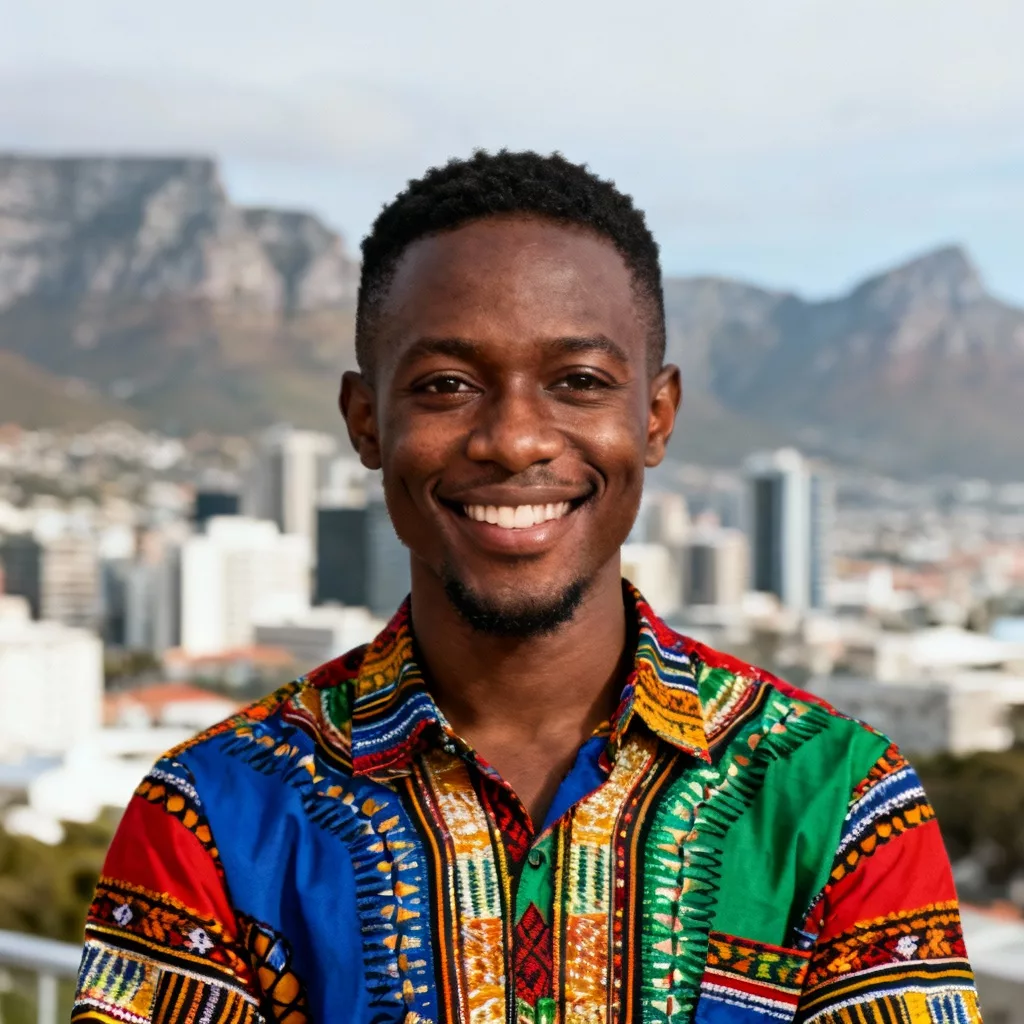
In Cape Town’s council chambers, strong leadership and discipline are key to keeping order during heated debates. Speaker Felicity Purchase showed calm and fairness while facing a tough vote of no confidence, standing firm against disruptions and political games. Her steady hand helped the council focus on important city services like water and safety, reminding everyone that good governance needs respect, rules, and teamwork. Despite challenges, the council chose stability to serve the people best.
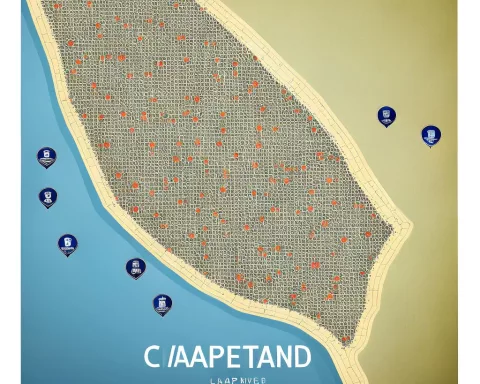
Cape Town is fighting to get more control over its local police to better fight gang violence, drug crimes, and gun offenses. The city wants to handle investigations, gather intelligence, and manage forensic testing to make neighborhoods safer. This push comes from the real struggles many communities face daily, where crime affects people’s lives deeply. Cape Town’s leaders hope that by having more power locally, they can protect their people more effectively and build trust between police and residents. The battle for these powers is also part of a bigger story about who should hold control and how to best keep cities safe.

Cape Town plans to sell most of its shares in the Cape Town International Convention Centre (CTICC) to raise about R885 million. This money will help improve important city services like water and safety. Even after the sale, the city will keep ownership of the land to make sure the public interest is protected. The city is asking its people for their opinions before making a final decision, showing it wants to be open and fair. This move could bring fresh investment to the CTICC while helping Cape Town grow in a balanced way.


Africa’s cold chain is a special system of refrigerated storage and transport that keeps food fresh from farms to people’s tables. It stops nearly half of fresh food from spoiling, helping farmers earn more and feeding millions across the continent. At the GCCA Africa Conference 2025 in Durban, leaders shared bold ideas using solar power, AI, and blockchain to fix old problems and bring cold storage to rural areas. This cool network not only saves food but also creates jobs, grows economies, and opens doors to global markets. Africa’s cold chain is becoming a powerful force to fight hunger and build a brighter future for all.

The BELA Act is a new South African law aiming to make schools fairer by changing how kids get admitted, what languages are used, and making Grade R (kindergarten) compulsory for all. It tries to fix old unfair rules from the apartheid era and help more children have a safe, good start in school. But putting these changes into practice is hard there are problems with rules, resources, and safety in schools. Still, the BELA Act holds hope for a future where every child can learn and grow in a welcoming, equal place.
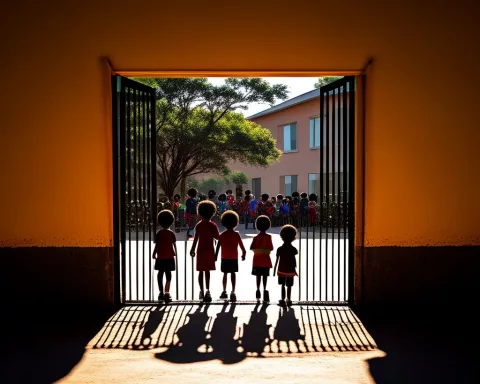
Operation Dudula, a movement in South Africa, has stirred up strong feelings about who should use public healthcare and schools. They argue that foreign nationals take away services meant for locals, leading to protests and tension in clinics and schools. The government, however, stands firm that everyone in the country deserves access to healthcare and education, reminding people to stay kind and follow the law. Despite challenges, many South Africans continue to work together, believing that respect and unity are key to a fair and caring society.

South Africa’s Parliament is facing big challenges as it works to make healthcare fair and available to everyone, including people without official papers. Lawmakers are also debating strict rules on tobacco to protect health while respecting personal freedom. At the same time, they are fighting discrimination against Black healthcare workers in medical plans, pushing for fair treatment and transparency. Through public discussions and learning from other countries, Parliament strives to create laws that balance rights, fairness, and reallife needs for a better future.