the ultimate mother city guide







Cape Town News
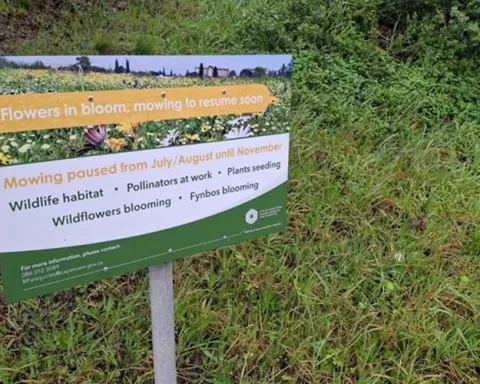

Cape Town’s nomow initiative lets certain parks and roadside spaces grow wild from July to November, allowing native wildflowers to bloom and pollinators like bees and butterflies to thrive. This peaceful pause from mowing creates colorful, buzzing habitats right in the city, connecting nature pockets and helping endangered plants and animals survive. It also invites the community to watch, learn, and care for the unique Fynbos plants that make the Cape Floral Kingdom so special. This simple act turns urban green spaces into lively, beautiful places full of life and hope.


The Southfield Canal in Cape Town is a crucial waterway that protects neighborhoods from flooding and supports local nature. After heavy storms in 2024 damaged its walls, the city started urgent repairs, using sandbags to keep homes safe while a full restoration is planned for late 2025. This canal is more than concrete it’s a lifeline that connects nature and people, reminding everyone of the powerful water flowing beneath the city. The community’s patience and the city’s careful work show a shared hope to keep this vital lifeline strong for the future.
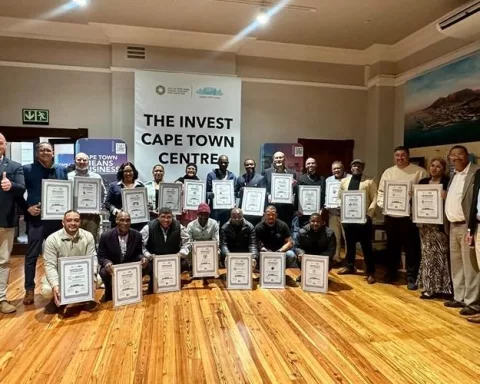
Cape Town powers the growth of small businesses through strong citybacked programs that offer training, resources, and chances to connect with others. The High Impact Supplier Development Programme helps entrepreneurs learn practical skills like managing money and growing sales, while the annual SMME Showcase brings them together with investors and officials to build partnerships. Thanks to this support, many small businesses are thriving, creating jobs and fueling the city’s economy. The city’s ongoing commitment ensures these businesses keep growing, making Cape Town a vibrant place full of opportunity and innovation.


In Cape Town, breastfeeding is more than a personal choice it’s a community effort. Through events like World Breastfeeding Week and lively “First 1000 Days” meetings called Indabas, mothers, families, and health workers come together to share support and knowledge. Trained counselors also visit homes to help moms overcome challenges, making sure no one feels alone. This city’s warm, caring approach builds strong families and healthy futures, showing how community love can nurture the youngest lives.
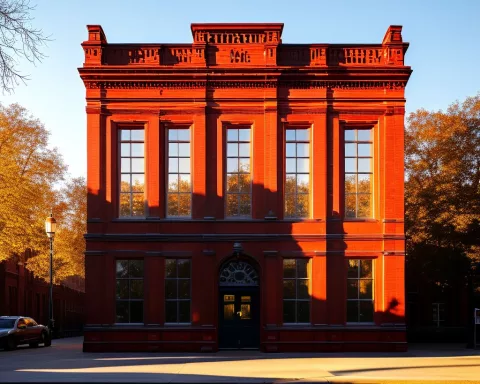

The Sea Point Fire Station in Cape Town, built in 1932, is a beloved historic building that has protected the community for decades. Recently, a careful R7.8 million restoration repaired its worn bricks, windows, and roof, blending old charm with modern safety upgrades. This project not only keeps the fire station strong and ready for emergencies but also honors the city’s rich history. Now refreshed, the station stands proudly as a symbol of hope, heritage, and community spirit, ready to serve Cape Town for many more years.
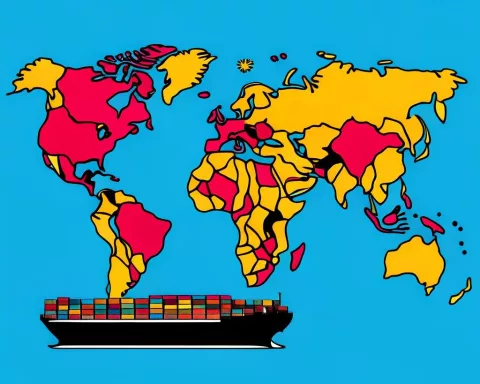

South Africa faces a big threat as the U.S. plans to add a 30% tariff on its goods, risking up to 30,000 jobs in farming, car making, and textiles. This could slow the economy and make life harder for many families. The government is working hard to find new trade partners, especially within Africa and Asia, to protect businesses and workers. While tensions with the U.S. rise, South Africa hopes its spirit and smart strategies will help it survive and grow in a tricky global world.

Cape Town’s beautiful green spaces hide a dangerous secret: many of its exotic plants like palms, pines, and cypresses catch fire easily and help wildfires spread quickly. Unlike native plants, which resist burning, these imported trees have dry, oily leaves that act like kindling during hot, dry, and windy weather. This risk grows worse with climate change, turning lovely neighborhoods into wildfire hotspots. To protect the city, people are now rethinking gardens, favoring firesafe native plants that keep both nature and residents safe. Cape Town’s story shows how caring for urban nature means balancing beauty with smart safety.


The Northam Social and Labour Plan (SLP) project is changing South African mining by focusing on the people, not just profits. After a long history of hardship and unfair treatment, mining companies now invest in local schools, health, and infrastructure to help communities grow strong and healthy. The recent Northam project rebuilt schools and provided meals, showing how mining can support education and future opportunities. This new way of working brings hope that mining will build a better future for everyone, not just extract wealth from the land.
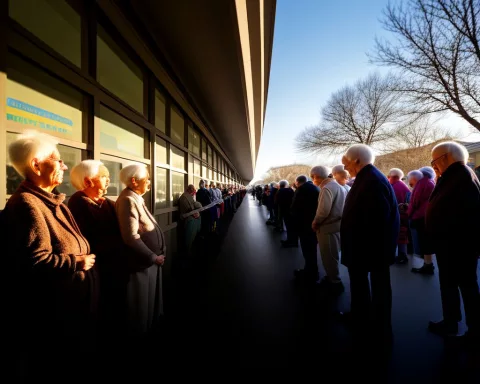
In 2025, South Africa’s SASSA tightened the rules for Older Person Grants, stopping payments right away if there’s any doubt about eligibility. Elderly recipients must quickly prove their income and assets, facing tougher paperwork and longer waits at offices. This stricter process, meant to prevent fraud and save money, has made life harder for many older people who rely on these grants to survive. Despite the challenges, families, communities, and advocacy groups keep supporting them through the tough new system.


The appointment of CGE commissioners in South Africa showed how important it is for Parliament to include the public in big decisions. The Constitutional Court ruled that just sharing names isn’t enough people must get clear information and real chances to have their say. This ruling pushed Parliament to rethink how it listens to citizens, making democracy stronger and more open. The case reminds us that true democracy means everyone’s voice matters, not just once, but all the time.

In the dry lands of the Northern Cape, South Africa is stirring up big changes in marriage laws. Public hearings invite everyday people teachers, miners, healers to share their stories and ideas about a new Marriage Bill that aims to treat all marriages fairly, ban child marriages under 18, and let more people become marriage officers. This lively, open process brings the government closer to the people, making sure the new law truly reflects South Africa’s rich diversity and hopes for a just future. It’s a powerful moment where voices from every corner shape a law that will protect families for generations to come.
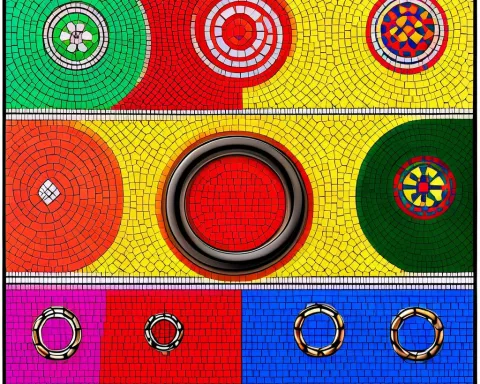

In the Northern Cape, communities are coming together to help shape South Africa’s new Marriage Bill, making sure it respects many cultures, protects children, and supports equality. People share their stories and ask questions in lively public meetings, turning lawmaking into a true conversation. This process honors the rich traditions of the region while embracing new ideas, so the law fits everyone’s lives. It’s a powerful example of democracy in action, where every voice helps build a fair and colorful future for marriage in South Africa.
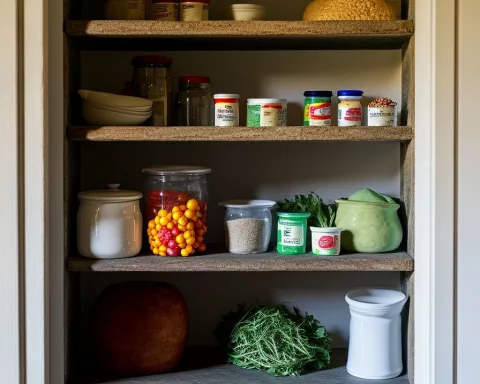
In 2025, groceries in Johannesburg cost more than ever, with the average basket topping R5,656. Families struggle as prices for meat, vegetables, and cooking oil keep climbing, making it hard to afford basic meals. Many people now buy food in bulk or join cooperatives to stretch their money. Despite the challenges, communities show strength and creativity, finding new ways to share and support each other in a city where food means more than just eating it’s about survival and hope.


In the Western Cape, a new outbreak of avian influenza is hitting both farm birds and wild birds hard, causing many deaths and forcing farmers to cull their flocks. The virus doesn’t stay put it spreads quietly through wetlands and farmlands, showing how closely people, animals, and nature are connected. Communities are stepping up, helping to watch for sick or dead birds and keeping farms clean to stop the spread. This crisis reminds everyone that protecting birds means protecting the whole region’s health, food, and way of life.
Errol Langton and his Afrikaner family left South Africa in 2024 after a U.S. order allowed white South Africans facing discrimination to seek refuge. They settled in Birmingham, Alabama, where family support and government help like healthcare made the hard journey easier. Though facing doubts about their refugee status, the Langtons worked to build a new life, learning local customs and finding kindness in their new community. Their story shows how migration is both a personal challenge and a search for safety and belonging.


Cape Town’s Marimba Youth Orchestra made history by breaking the world record with 1,276 players more than twice the previous record! This joyful event brought young people together from South Africa and Zimbabwe, uniting them through the beautiful sounds of the marimba. Months of teamwork and practice turned a big challenge into a powerful celebration of African culture and friendship. When the music filled the arena, it felt like a sunrise of hope, showing how creativity and unity can shine bright together.