the ultimate mother city guide








Cape Town News
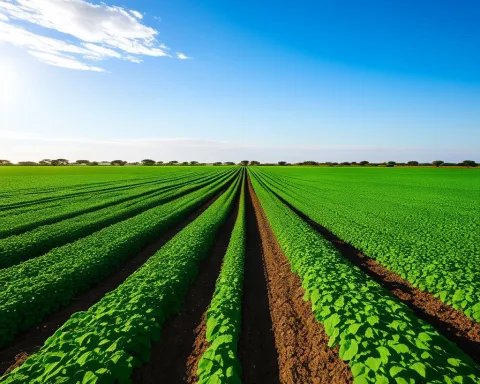

The Blouberg Potato Belt Development Programme is changing lives in Limpopo by helping farmers grow more potatoes with better tools, training, and irrigation. It supports over 700 hectares of farming, creates thousands of jobs, and brings in millions of rands each year, lifting many families out of poverty. Strong partnerships between government, businesses, and local leaders make this success possible, turning humble fields into symbols of hope and growth. Despite challenges, the community keeps pushing forward, showing how teamwork and hard work can build a bright future for rural South Africa.


Jane Sithole dreams of a South Africa where small businesses can grow freely without being trapped by endless rules and red tape. She wants fair policies that help all entrepreneurs, no matter their background, and urges the government to cut barriers and offer real support. Sithole believes that by working together and respecting every business owner’s challenges, South Africa can unlock its true entrepreneurial spirit and build a brighter economic future for everyone.
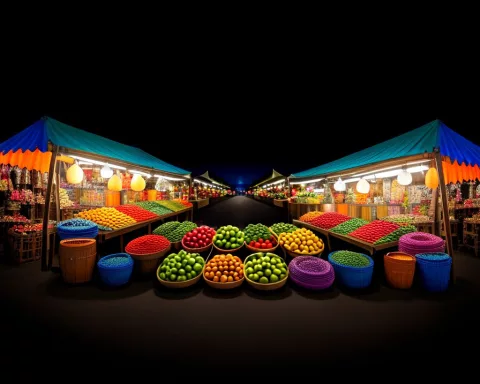
Minister Stella Ndabeni has launched a powerful plan to help small businesses all across South Africa grow and thrive. With nearly R3 billion set aside, her roadmap supports over a million micro, small, and medium enterprises through funding, training, and new technology access. She wants to break down old barriers that kept many entrepreneurs, especially in rural areas, from succeeding. By investing in skills, assets, and digital tools, the plan lights a bright path for local makers and dreamers to build stronger communities and a fairer economy for everyone.

South Africa stands strong in supporting peace for Palestine, drawing on its own history of fighting apartheid. At a recent global conference, South African Justice Minister Ronald Lamola urged the world to act quickly to stop the violence and recognize Palestinian statehood. He stressed that lasting peace must come through law, dialogue, and respect for human rights not through war or force. South Africa’s message is clear: justice and hope can overcome even the deepest conflicts when nations work together with courage and fairness.


AI influencers like Mia and Ana Zelu are digital stars created by smart computer programs, shining with perfect beauty and endless charm. They never age or slip up, making them ideal for brands who want flawless marketing. These virtual sisters share stylish, dreamlike photos from around the world, blending fantasy and reality in ways that captivate hundreds of thousands of followers. While their digital perfection fascinates many, it also raises questions about how real people feel about beauty and success. As AI influencers grow, they are changing how we see friendship, fame, and what’s truly authentic online.


South Africa is leading the way in making mining of critical minerals cleaner and fairer within the G20 group. At a big meeting in Johannesburg, leaders agreed on six key actions like better exploration, strong rules, local processing, supply chain strength, new tech, and skill building. This plan aims to turn mineral wealth into jobs and growth at home, not just raw exports. South Africa’s leadership shines with a hopeful message: working together and caring for people and planet can build a brighter, more equal future for mining worldwide.

The G20 is working hard to make sure critical minerals like lithium and cobalt are used in a fair and smart way to help build a cleaner, greener future. They want mining to be ethical, with local communities benefiting through jobs and businesses, not just exporting raw materials. By encouraging new technology, transparency, and cooperation between countries, the G20 hopes to protect the environment and create better lives for people around the world. This is about more than minerals it’s about building a fair and sustainable world for everyone.

South Africans are changing how they see work, wanting more than just a paycheck. Many feel tired and burned out, so they look for jobs that offer respect, balance, and meaning. Instead of just surviving, they want to grow, feel valued, and enjoy their lives outside work. This shift is pushing companies to rethink how they treat employees, making work a place of pride and purpose. South Africa is on a path toward jobs that help people truly thrive.
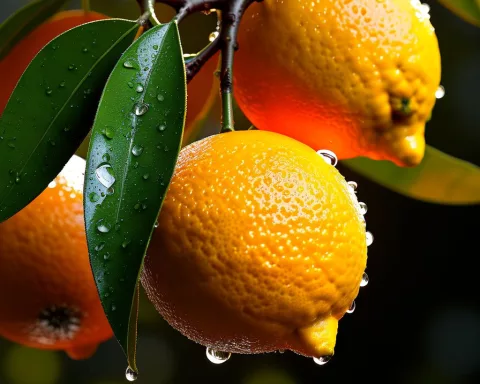

South Africa’s bright citrus groves, full of juicy oranges and lemons, face a big threat from a possible 30% US tariff. This tax could make it too costly to export fruit, risking jobs and hurting small towns that rely on citrus farming. The fruit must be shipped quickly because it spoils fast, so losing the US market would be devastating. For many people, citrus farming is more than work it’s a way of life that supports families, schools, and local communities. Now, growers hope leaders can find a solution before this important industry withers away.
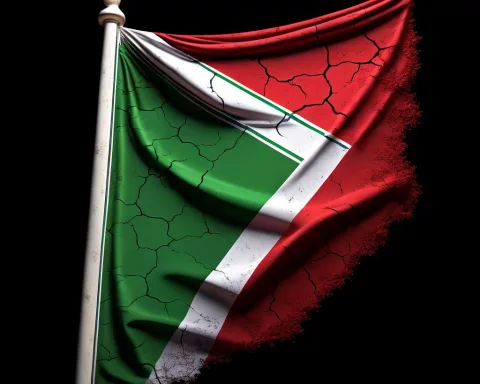

South Africa’s Oxygen Plant Tender Scandal revealed deep corruption where unlicensed companies won huge contracts, wasting public money meant for hospital oxygen equipment. Minister Dean Macpherson exposed these problems and called for urgent reforms to fix broken rules and bring honesty back to government projects. Thanks to a strong forensic report and brave journalists, corrupt officials are facing investigations, and a new board is working hard to rebuild trust. This scandal is a sharp reminder that fairness and transparency are key to serving the people well.

The possible absence of President Trump from the 2025 G20 summit in Johannesburg is a strong signal of growing tensions between the US and South Africa. It reflects deep disagreements over land reform, justice, and political values rooted in history. In global diplomacy, a leader’s absence can send a message as loud as their presence, shaping how countries cooperate or clash. This summit will not only focus on economics but also highlight the ongoing struggle for fairness and power in a changing world. The drama unfolding in Johannesburg shows how much is still at stake in international relations today.
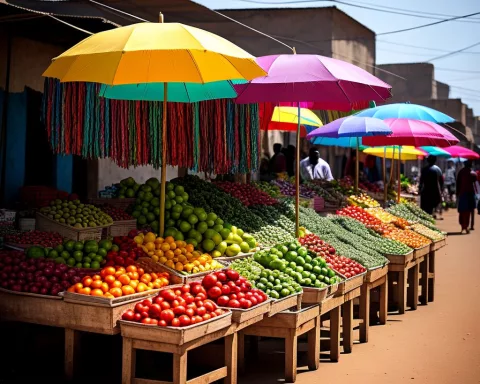
Township travel in South Africa is changing in exciting ways, making holidays possible for many who couldn’t afford them before. A new program lets people save little by little at local TUU Post stores and use stokvel savings clubs to join in group trips. Friendly shopkeepers help guide families through easy payments and bookings, turning travel dreams into real plans. This fresh approach not only opens doors to adventure but also boosts local businesses and brings communities closer together. Now, travel is becoming a joyful part of everyday township life for everyone.
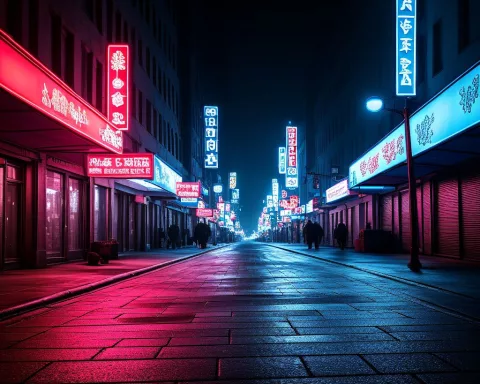

In South Africa’s cities, sex workers and activists bravely stand up against harsh laws that criminalize their work, demanding safety, respect, and legal rights. Despite growing arrests and slow government action, they keep fighting through protests, art, and court battles to end violence and stigma. Their voices bring real stories and hope to a struggle rooted in history, pushing for a future where sex work is treated with dignity, not punishment.

Every year in South Africa, the national budget is presented with great ceremony, marking the start of lively debates about how the country’s money should be spent. This process has three main steps: setting economic goals, dividing funds between national and local governments, and deciding exactly how each department will use its share. Lawmakers from all over the country weigh in, making sure the money is shared fairly and wisely. Finally, the President signs the budget into law, turning plans into action that affect everyday lives. This yearly ritual shows democracy in motion, where people’s voices help shape the nation’s future.

South Africa’s Parliament in 2025 is busy making big decisions about the country’s money and the future of Eskom, the state power company. They are voting on the national budget through the Appropriation Bill and changing rules to help Eskom manage its debt better, now with stricter conditions. Parliament is also using new technology to let more people watch and join the talks live online. These actions show how Parliament is working hard to keep South Africa’s services running and its democracy open and strong.

Gayton McKenzie is a former armed robber who turned his life around to become a South African politician and Minister of Sport, Arts and Culture. He openly talks about his criminal past, using it to expose corruption and challenge rivals like Julius Malema. After serving time in prison, where he exposed corruption, McKenzie reinvented himself by starting a political party and entering government. His bold honesty and sharp words make him a unique and powerful voice in South African politics.