the ultimate mother city guide






Cape Town News


The South AfricaGermany partnership is a powerful effort to help South Africa move from coal toward clean, fair energy. With a €500 million loan, they are working to build better energy systems that protect the environment and create new jobs. This plan focuses not just on technology, but also on making sure communities and workers affected by change are supported. Together, they aim to build a future where energy is cleaner, growth is fair, and old inequalities are healed. It’s a hopeful story of two countries teaming up for a brighter, greener tomorrow.


The Tiffany Meek case is a heartbreaking story from Fleurhof, South Africa, where she is accused of killing her 11yearold son, JaydenLee. This tragedy has shaken the community deeply, turning a place once full of hope into one filled with grief and mistrust. The court’s decisions and the unfolding trial highlight big worries about child safety, justice, and broken trust in society. As the case unfolds, it shines a harsh light on the struggles many face in South Africa, and the long road the community must travel toward healing and understanding.


Starting December 2025, South African Airways will fly direct between Cape Town and Mauritius, opening a fresh, exciting link between these two beautiful places. This new route makes travel easier and quicker, inviting more tourists, business folks, and families to explore sunsoaked beaches, rich cultures, and vibrant cities. Cape Town steps into the spotlight as a key gateway in southern Africa, connecting the region with the Indian Ocean’s charm. These flights promise not just journeys, but new friendships, stories, and chances for growth between two warm, welcoming lands.
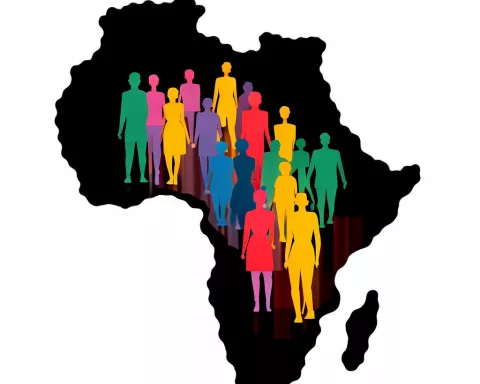

South Africa is changing fast, with its population growing to over 63 million by 2025. More people are moving to cities like Gauteng and KwaZuluNatal, making these places busy and full of life. The white population is shrinking because more are leaving the country and the community is aging. Meanwhile, black African and Indian/Asian communities are growing, bringing new cultures and energy. This mix of change shows a country both saying goodbye to some old chapters and welcoming fresh beginnings.


The Pamela Isdell Seabird Nursery in Cape Town is a special place that saves and cares for endangered African penguin chicks. It can now help twice as many birds, giving them a safe space to grow and recover from dangers like oil spills and loss of food. Caring hands use science and love to feed and protect these little penguins, hoping they can return to the wild strong and healthy. This nursery is a bright hope for the future of African penguins and shows how people working together can make a big difference.
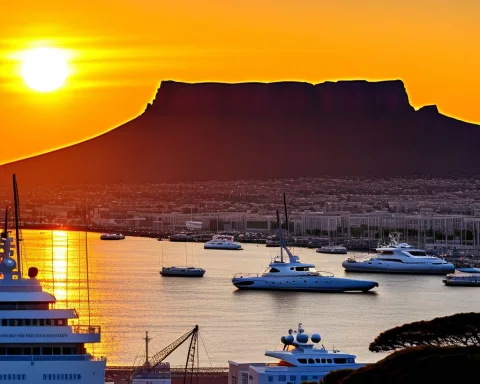

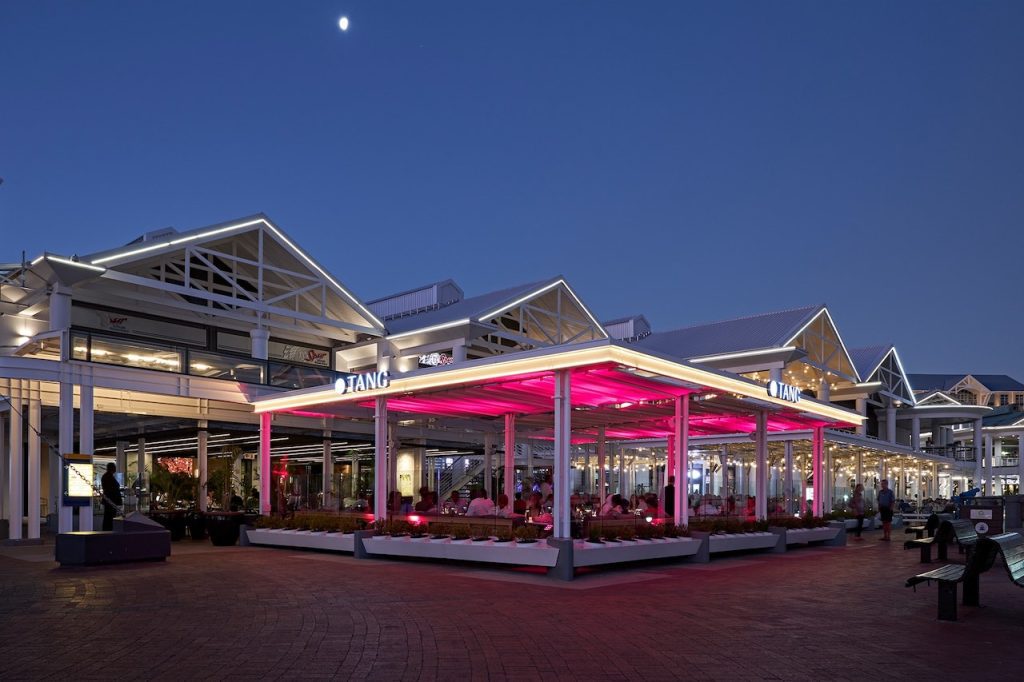
South Africa’s waterfronts are a vibrant mix of lively cities, peaceful lagoons, and charming canals, each with its own special story. Unlike crowded Venice, these watersides feel real and welcoming, where nature, culture, and community flow together. From Cape Town’s bustling V&A Waterfront under the shadow of Table Mountain to the quiet beauty of Knysna’s lagoon and the friendly spirit of Richards Bay’s working harbor, each place invites you to enjoy life by the water in fresh, unforgettable ways. Whether you seek energy, calm, or cozy canal living, South Africa’s waterfronts offer a warm and lively escape beyond Europe’s famous ports.


Africa’s bold push to build roads, railways, and power lines across borders is fueled by the spirit of ubuntu an idea that we succeed only by working together. Leaders like South Africa’s Dr. David Masondo are turning this vision into action, striving to connect nations through shared projects that boost trade and growth. Despite challenges from old borders and complex rules, examples like the Maputo Corridor show that cooperation can spark real progress. With fresh investments, strong partnerships, and a focus on sustainability, Africa is crafting a future where its people and places are linked, thriving as one united continent.


Gasant Abarder’s story shows how fixing a classic Land Rover and facing tough creative challenges both teach important life lessons about patience, resilience, and learning from failure. His old, quirky vehicle demands constant care and humor, while his writing program pushes him to grow through criticism and humility. Together, they remind us that true progress comes not from perfection but from trying again, leaning on support, and finding joy in the ups and downs of the journey. In both grease and words, Abarder proves that life’s real art is in never giving up.

The Overberg Corridor rail revival plan aims to bring back freight trains to the Western Cape by 2028, shifting 10% of goods from trucks to rail. This will cut transport costs, ease busy highways, and reduce pollution by a huge 70%. The plan focuses on fixing old tracks, building partnerships, and using cleaner, smarter trains to boost local farms and communities. It’s a hopeful step to connect people and markets, blending the region’s history with a greener, stronger future.
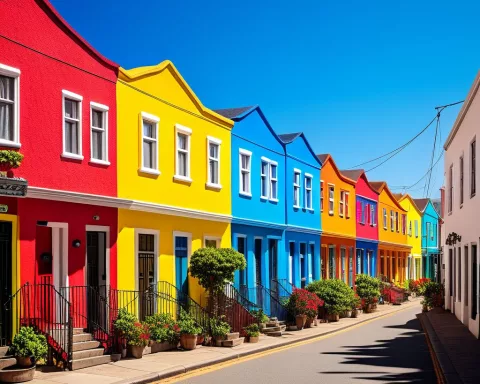
Cape Town is a city full of stories, where old memories and new life blend together. Its colorful neighborhoods like BoKaap and Sea Point show how people have kept their culture alive while facing big changes. The city’s spirit shines through its mountains, ocean breeze, and welcoming streets, reminding everyone that history and hope walk hand in hand. Cape Town keeps growing and changing, but its heart beats strong with the stories of those who call it home.

In Cape Town, carrying a physical driver’s licence is not just a rule—it’s a key part of keeping the city safe and orderly. Police recently fined dozens of drivers for not having their licence card, showing how important this little plastic card really is. Beyond just proof of permission, the licence symbolizes trust and responsibility between each driver and the city. In a busy, chaotic place full of cars, buses, and people, having that card ready helps everyone move safely together. It’s a simple act that keeps the city’s rhythm flowing and reminds us all of our shared role in public safety.
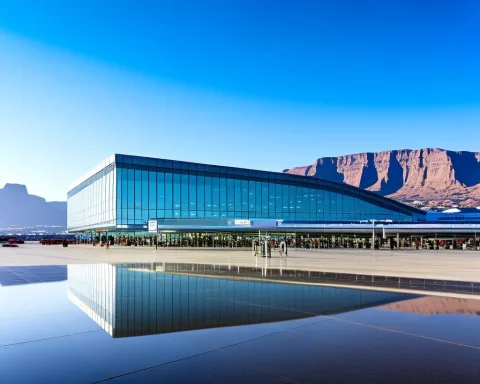
Cape Town International Airport is a bright, welcoming gateway to one of the world’s most beautiful cities. With modern design filled with sunlight and local art, it offers smooth travel and friendly service connecting South Africa to six continents. This airport has grown from humble beginnings to an awardwinning hub, buzzing with energy and rich culture. Every traveler who arrives steps into a space full of stories, warmth, and endless possibilities.

In 2023, a shocking video showed Johannesburg’s VIP Protection Unit violently attacking civilians, sparking outrage across South Africa. This exposed deep problems in the police force, including delays and possible coverups in holding officers accountable. The scandal became a symbol of wider struggles with trust, power, and justice in the country. Calls grew louder for independent oversight to fix a broken system and restore faith in the police. The case remains a powerful reminder that real change and fairness are still a fight to win.
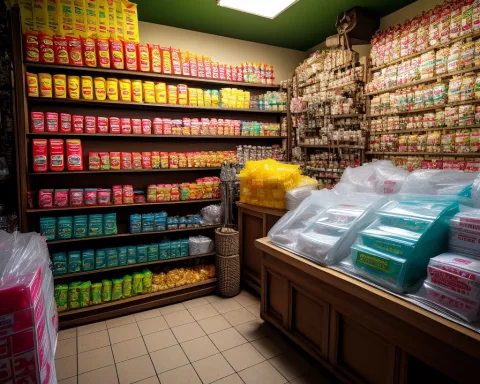
South Africa’s R500million spaza shop fund aims to help small township shops become safer and stronger by offering grants and interestfree loans. It encourages shop owners to register their businesses properly and improve food safety and shop conditions. While many owners were excited and applied, most struggled to meet strict paperwork and permit rules. The government now faces the challenge of supporting these hardworking entrepreneurs without losing the community spirit that makes spaza shops special. This fund is a bold step toward modernizing informal trade, but success depends on patience, understanding, and real help from the authorities.
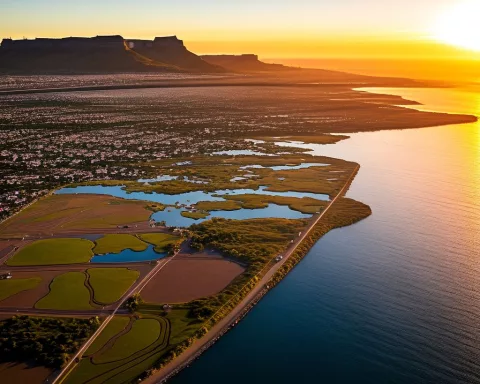
Cape Town is using digital meetings to bring its people together and talk openly about big city challenges like rapid growth and protecting nature. The city fights to save its wetlands, coastline, and urban forests while battling invasive pests that harm trees. At the same time, Cape Town is fixing up neighborhoods and planning smart, mixeduse spaces that balance homes, jobs, and green areas. With strong rules and shared voices, the city aims to grow in a way that keeps both people and the environment healthy and connected.
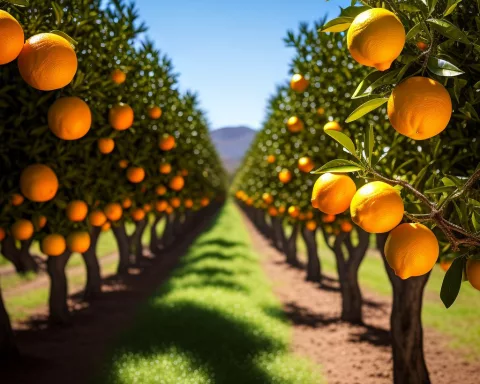
South Africa’s citrus industry is a lifeline for many rural communities, providing jobs and supporting local services through its vibrant orchards. But new U.S. import tariffs, jumping from 10% to 30%, threaten to make exporting fruit costly, risking delays, spoilage, and lost income. Farmers and workers worry that these trade rules could disrupt their way of life, while leaders plead for more time to negotiate fairer terms. This struggle shows how global trade decisions ripple far beyond borders, touching real people whose futures depend on every carton shipped.