the ultimate mother city guide




Cape Town News
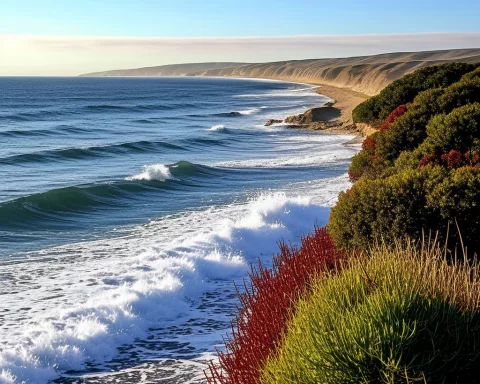
Cape Town is planning a bright future by caring for nature, growing jobs, and inviting everyone to join the conversation. The city is spending over R1.1 billion to restore wetlands, protect its coastline, and upgrade parks and neighborhoods. Leaders are using a new online forum to bring people together, making sure all voices can help shape the city’s plans. This mix of caring for the environment and people aims to build a strong, fair, and beautiful Cape Town for everyone.

On July 25, 2025, in the Free State, South African parliament held a powerful day of scrutiny over local municipalities struggling with finances and service delivery. Officials from several towns faced tough questions from oversight committees, who demanded honesty and fresh plans to fix problems like water shortages and corruption. The process revealed not just failures but also moments of hope, as some leaders shared creative solutions and personal stories showing their care for communities. This intense day of review, watched live by the public, showed that real change needs teamwork, transparency, and ongoing effort to rebuild trust in local government.
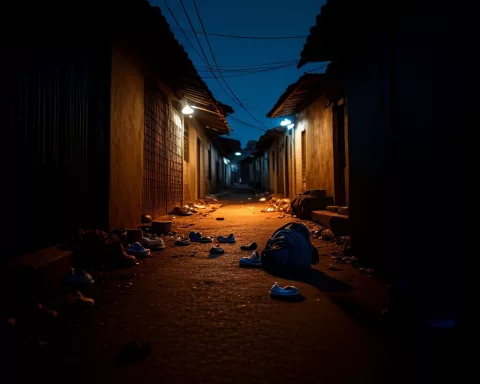

Tenyearold Reamohetse Lekgetha disappeared one July afternoon in Delft, sparking a frantic search by his worried family and a tightknit community. Neighbors, friends, and even strangers joined together, using social media and doortodoor calls, never giving up hope. After a week of fear and unanswered questions, Reamohetse returned home safely, tired but unharmed. Though no one knows exactly where he was, his return brought relief and showed the power of community care and resilience in dark times.
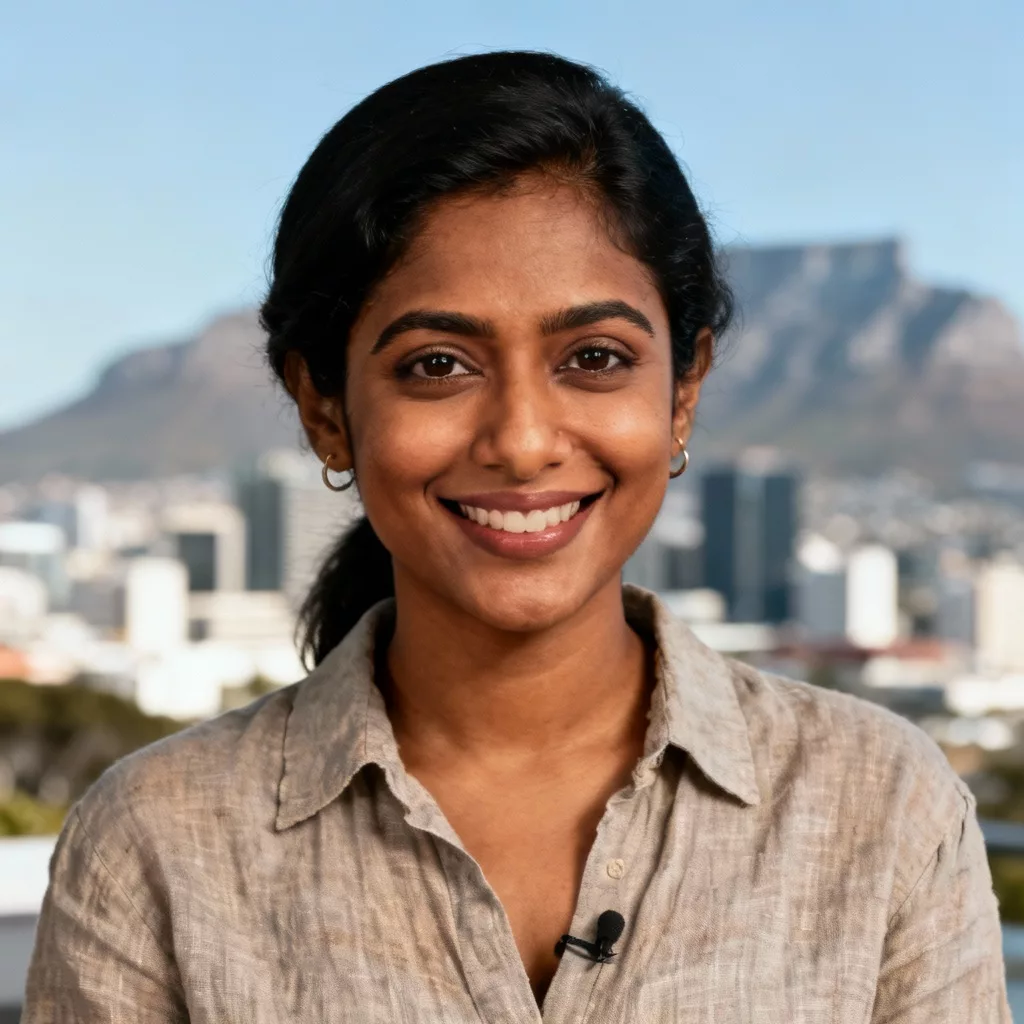
South Africa stands out in the world for turning away from nuclear weapons and becoming a strong voice for peace and safety in nuclear matters. At the 50th anniversary of the Nuclear Suppliers Group (NSG) in Cape Town, Minister Ronald Lamola shared how the country’s journey inspires hope for using nuclear technology wisely and fairly. The NSG works hard to balance the benefits of nuclear energy with the risks of weapon misuse, and South Africa calls for fair access and trust among nations. This gathering in Cape Town highlighted the power of cooperation and dialogue in building a safer, more just nuclear future for all.
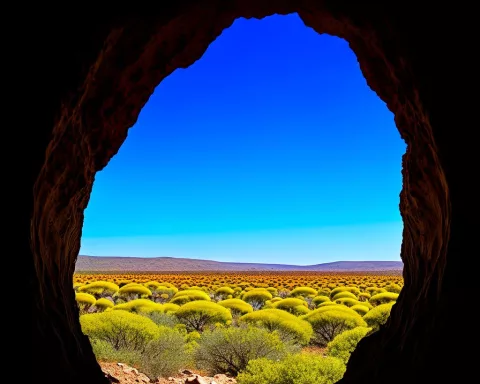

The Cape near Cape Town hides magical caves full of ancient stories and wild beauty. From the easy twists of Boomslang Cave to the deep, dark mystery of Tartarus, each cave invites adventurers to explore nature’s hidden world. Peers Cave reveals echoes of humans from 13,000 years ago, while Klipgat holds treasures by the sea, where whales swim nearby. Elephant’s Eye Cave offers stunning views high on the mountain, blending nature and legend. Together, these caves whisper secrets of the past and spark wonder in every visitor brave enough to enter.


Netflix’s ScreenCraft Pathway is an exciting new program that helps young South African filmmakers and TV creators learn by doing. Through paid internships and close mentorship, it gives participants real experience in making movies and shows. This program boosts local stories, creates jobs, and builds a strong community of creative talent. By working with local film authorities, Netflix is helping to grow South Africa’s creative industry from the ground up. It’s a bright step toward a future where South African voices shine on screens everywhere.


The Economic Freedom Fighters (EFF) celebrated their 12th anniversary in Khayelitsha, turning the township into a lively stage of hope and resistance. The event, moved from floodhit Mthatha, showed the party’s care for people and quick thinking. Thousands gathered under bright red banners for speeches, music, and poetry, celebrating struggle and dreaming of a better future. By choosing Khayelitsha, the EFF challenges old powers and shows it’s ready to fight for change in South Africa’s heart. This celebration is more than a party—it’s a powerful call for unity and justice.
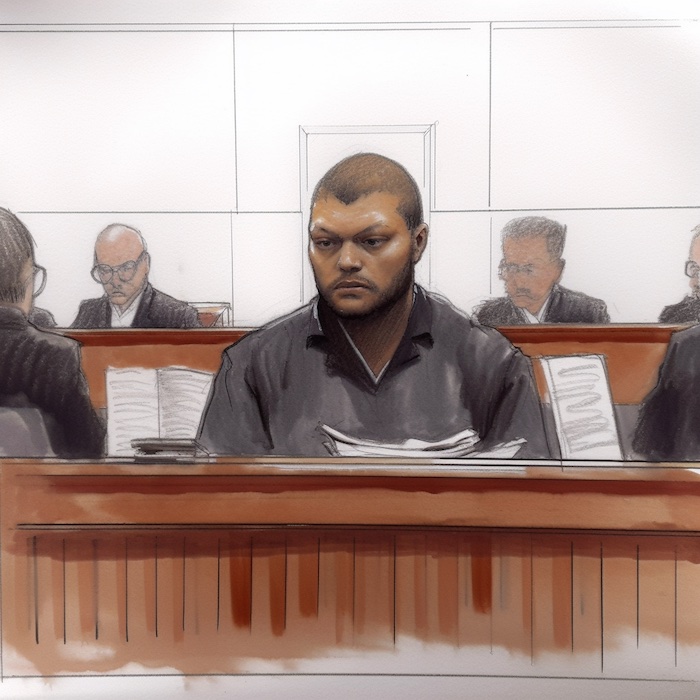
Charlene Overmeyer was sadly taken and killed during a violent home invasion in Lavender, Cape Town. The police worked hard and caught three suspects, with Charles Williams found guilty and given 23 years in prison. This tragic event shows how South Africa continues to fight against crime and tries to bring justice through strong police work and courts. Though the community is hurt, they come together to remember Charlene and find hope for a safer future.


Meat prices in South Africa have risen sharply due to diseases affecting livestock and global problems like poultry import bans. Despite these higher costs, families keep the beloved braai tradition alive by choosing cheaper cuts, other proteins, or even vegetarian options. The braai remains a special time where friends and family gather, sharing food, stories, and laughter around the fire. Even as prices climb, South Africans show creativity and resilience, adapting their meals but never losing the warmth and spirit of the gathering. The braai is more than just a meal—it’s a symbol of community and strength in changing times.

Hulk Hogan was a legendary wrestler who changed the world of wrestling forever with his big personality, catchy sayings, and heroic spirit. He made wrestling popular across the country, inspiring millions of fans with his colorful outfits and famous catchphrase, “Whatcha gonna do, brother?” Hogan’s journey wasn’t just about sports—it was about becoming a cultural icon who entertained and motivated people for decades. Even after tough times and many injuries, he stayed strong and kept inspiring others until his passing, leaving behind a powerful legacy that will never be forgotten.
School bullying in South Africa hurts almost 40% of students, causing deep pain that is physical, emotional, and social. Kids face harsh teasing, exclusion, and even online attacks that follow them home, making school a scary place instead of a safe one. This bullying often reflects bigger problems in society, like inequality and fear, and can leave lasting scars on children’s hearts and minds. Although many schools struggle to stop bullying, new efforts are helping students find support, heal, and build kinder, stronger communities. The fight against bullying is tough, but hope grows as more voices speak out and work together for change.
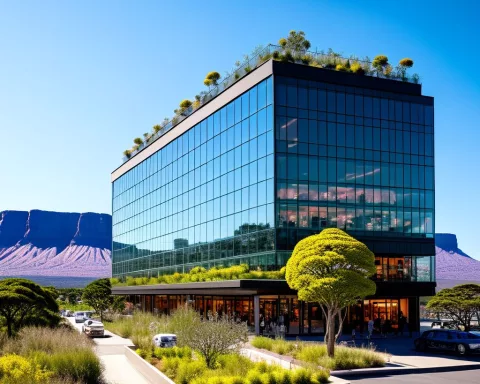
Cape Town’s city centre is waking up with exciting new mixeduse developments that blend homes, shops, offices, and culture all in one place. Old buildings are being transformed into lively hubs where people can live, work, and play together, creating a buzzing city full of energy and life. Projects like City Park and the Rubik tower are changing the skyline and bringing fresh, creative spaces that honor the city’s history while looking to the future. This new way of building is making Cape Town’s heart more vibrant, connected, and ready for generations to come.

The BMW X3 PlugIn Hybrid now being made at the Rosslyn plant in South Africa marks an exciting step toward cleaner, greener cars. This is not just about fancy technology—it means more jobs, stronger local skills, and a boost for the economy. With help from the government and BMW’s focus on education and inclusion, South Africa is racing ahead in making modern, ecofriendly vehicles that the world wants. Together, they are driving the country into a bright, sustainable future.

Overhauling South Africa’s Mergers and Acquisitions: Charting a Path to True Economic Transformation

South Africa’s mergers and acquisitions process needs a big change to truly help people who were left out for a long time. The current system often hides deals behind closed doors, letting only big, old players keep control while many talented newcomers are pushed aside. The committee wants to make buyer choices clear and open, make sure disadvantaged people stay involved for real, and give them better financial support. By creating public lists and stronger laws, these reforms aim to make business ownership fair and lasting. This new path could turn tricky deals into powerful tools for shared success and true economic transformation.
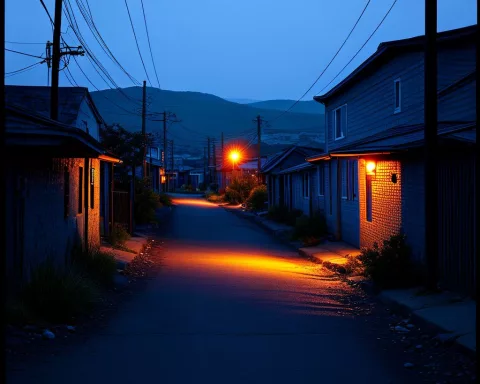
In Elsies River, long power outages turn daily life upside down, making simple tasks like cooking and staying safe very hard. Neighbors share what they have, helping each other stay connected and care for the sick. Without streetlights, the nights grow dangerous, but the community stays strong by coming together during the day. These blackouts reveal bigger problems with the electricity system but also show how people find hope and friendship even in the darkest times.
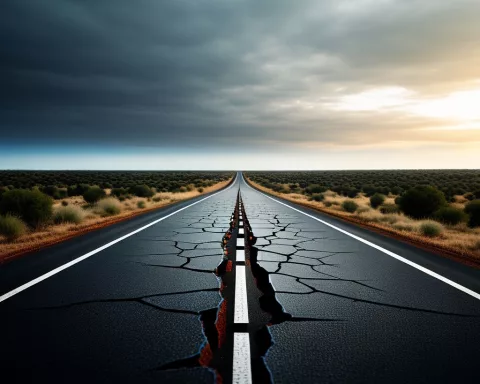

South Africa is hoping a big R7 billion loan from the New Development Bank can fix its wornout highways by adding lanes, fixing bridges, and making roads safer. While some people feel hopeful this money will create jobs and boost trade, many remain doubtful because of past broken promises and corruption. These roads mean a lot—they connect people and places but also carry the weight of the country’s painful history. If handled well, this loan could help South Africa build better roads and trust, but much depends on honest leadership and real results on the ground.