the ultimate mother city guide




Cape Town News

South Africa is quickly becoming a top choice for offshoring because it offers a skilled, Englishspeaking workforce and works in time zones close to Europe. Cities like Cape Town are buzzing with modern businesses and tech talent, making it a smart spot for companies looking to grow and innovate. Beyond just saving money, firms value South Africa’s reliability, strong infrastructure, and diverse expertise in tech, finance, and customer support. This rise is changing global business, creating new chances for workers and companies worldwide to connect and succeed together.
Afrikaans is a vibrant language born over 300 years ago from a mix of Dutch, African, Asian, and other cultures in South Africa. Officially recognized 100 years ago, it grew from everyday people’s voices in kitchens and marketplaces, not from the halls of power. Though it carries a painful history, especially during apartheid, Afrikaans today is spoken by many diverse communities who keep it alive with creativity and pride. The centenary celebration invites all South Africans to see Afrikaans as a shared treasure, a language full of life, stories, and hope for the future.

Patrice Motsepe is a powerful South African businessman whose name is quietly gaining attention as a possible leader for the ANC in 2027. Coming from humble township roots, he built a huge mining empire and is known for his honesty and smart leadership. Many see him as a fresh, hopeful face who could help renew the party and bring real change to South Africa’s economy. While some worry about mixing big money with politics, Motsepe’s rise sparks strong talk about what the ANC needs to succeed in a tough future. His story is already shaking up the party and inspiring many who want a new direction.
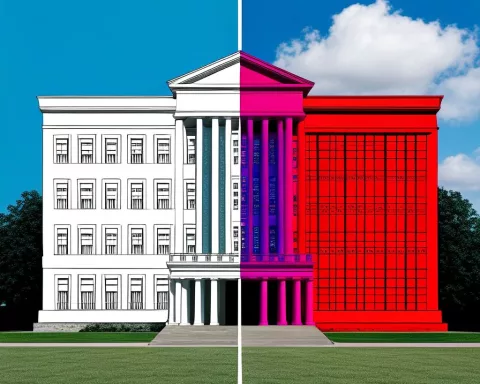

South African universities are caught in a heated debate over racial quotas meant to fix past inequalities from apartheid. Some say these rules help make campuses fairer and more diverse, while others worry they force people into simple racial boxes and hurt true talent. The struggle isn’t just about numbers—it’s about whether universities will focus on individual worth or just meeting government targets. This debate shapes the future of education and how South Africa sees itself as a free and fair society.
South Africa is battling constant power cuts because its old power plants break down often and maintenance has been delayed for years. These blackouts disrupt daily life, especially in the evening when families need electricity the most. While richer areas use solar power to avoid the worst effects, poorer communities suffer more. Despite these struggles, many South Africans find creative ways to cope, and new local efforts in renewable energy offer hope for a brighter, more reliable future.

Kirstenbosch National Botanical Garden, nestled at the foot of Table Mountain in South Africa, is a vibrant wonderland bursting with over 7,000 native plant species. Visitors can stroll under ancient trees, marvel at the bright King Protea, and walk high above the forest on the famous Boomslang canopy walkway. This garden is not just beautiful—it’s a living classroom, protecting rare plants and teaching people the importance of nature. With music, art, and endless colors in every season, Kirstenbosch feels like the heartbeat of South Africa’s wild and wonderful spirit.

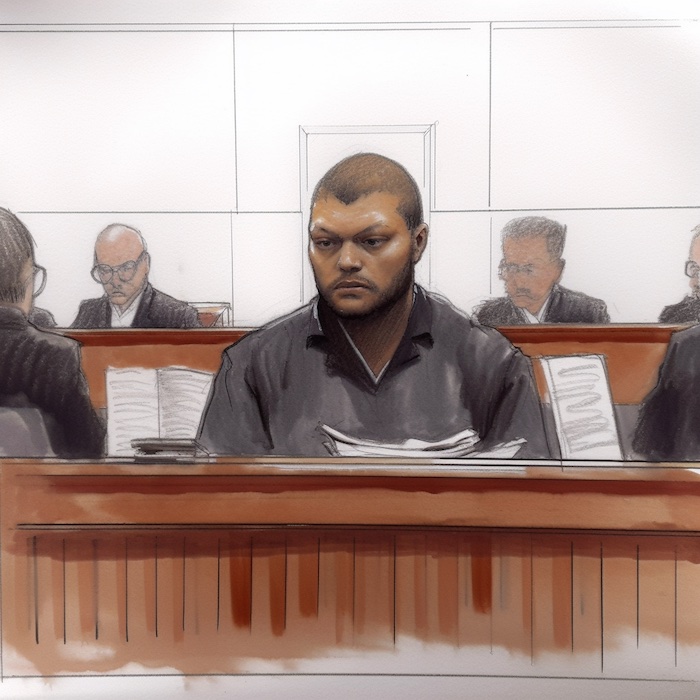
The Ncobo case is a big scandal in South African football where Andile “Ace” Ncobo and his wife face charges of stealing R13 million from a major energy company. Once admired as a fair referee and leader in the Premier Soccer League, Ncobo now stands accused of fraud, shaking trust in the sport’s leadership. The courtroom drama in Cape Town draws sharp attention to issues of honesty and governance, as fans and the nation wonder if their heroes can stay true. This case is not just about money—it challenges the heart of South Africa’s love for football and its hope for clean, fair leadership.
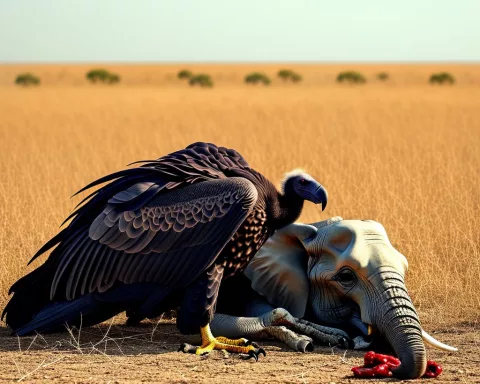
On May 6, in Kruger National Park’s Mahlangeni Section, a poisoned elephant carcass killed 123 vultures, including Whitebacked, Cape, and Hooded Vultures. These birds, nature’s cleanup crew, were tricked into feeding on toxic meat, causing one of South Africa’s largest vulture poisoning crises. Brave conservation teams raced to save survivors, using helicopters, medicine, and a special “vulture ambulance” to fight this deadly attack. Though many vultures died, the rescue showed hope and sparked stronger efforts to protect these vital birds and the wild spaces they keep healthy.
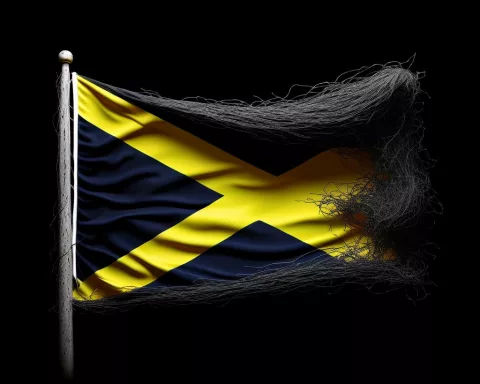

South Africa’s highest court ruled that a law taking away citizenship from those who gained another nationality without permission was unfair and unconstitutional. The Court said citizenship is a deep, protected right that cannot be lost without fair treatment. This decision brought relief to many South Africans living abroad, assuring them that having another nationality won’t erase their connection to home. It showed that belonging to a nation is about more than papers—it’s about identity, dignity, and being part of a shared story.
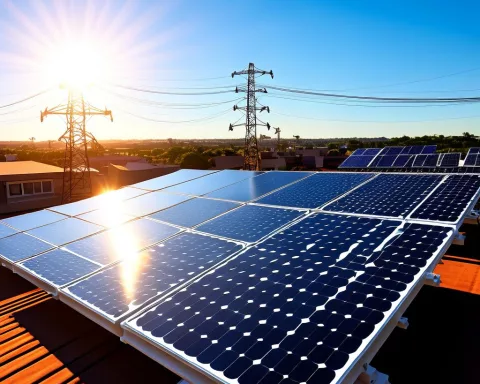
Eskom is changing how it charges for electricity starting April 2025, with new fixed monthly fees that hit solar homes hard. Even families with rooftop panels will face bigger bills—some rising by up to 75% by 2027—and must install smart meters and register their systems. This makes going solar trickier and more expensive, shaking the hope for easy energy independence. South Africans who once cheered their solar success now face tough choices amid rising costs and red tape. The future of rooftop solar feels uncertain as the country balances clean energy dreams with the reality of a costly power grid.

Jacques Faith van Tonder is helping South African migrants by sharing his own moving story on TikTok and creating H2ABuddy.com, a website that connects job seekers with U.S. farm employers using the H2A visa. His honest videos show the real ups and downs of leaving home and starting fresh across the world. Through his platform, he offers practical help and builds a caring online community where people find hope and support. His work turns migration from a lonely struggle into a journey of strength and connection.
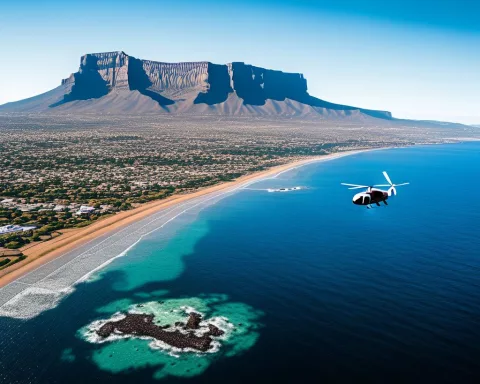
Celebrate Mother’s Day in Cape Town with unforgettable experiences that mix fun, beauty, and love. You can enjoy a delicious brunch high above the city, fly in a helicopter and relax at a spa, paint with local wine in hand, make jewelry together, or glide gently on a breakfast boat cruise. Each special activity creates happy memories and shows moms how much they are treasured. Cape Town’s stunning views and warm spirit make this Mother’s Day truly one to remember.
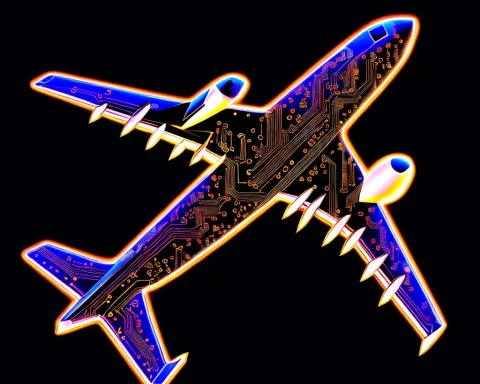
In May 2025, South African Airways (SAA) faced a sudden cyberattack that knocked out its website, app, and key systems, shaking the airline’s digital world. Quickly acting like a skilled team, SAA restored services by the end of the day while keeping customers informed and safe. This crisis showed how even big airlines can face new digital storms but also how strong teamwork, honesty, and quick action can keep flights and trust flying high. SAA’s open and careful response sets an example for handling cyber threats in the modern age.

Coffee culture is more than just drinking coffee in the morning—it’s a lively global tradition that brings people together. From cozy cafés like Espressolab in Cape Town to famous coffee spots worldwide, it blends quality, creativity, and community. Every cup tells a story of care, craft, and connection, making coffee a shared experience that fuels friendships, ideas, and moments of calm.

In 2023, South Africa faced a big car safety scare as major brands like Stellantis, MercedesBenz, Audi, Volkswagen, Citroën, and Volvo recalled thousands of vehicles due to dangerous defects. Problems ranged from faulty airbags that could explode, to brake failures and overheating batteries, putting drivers and passengers at serious risk. This crisis shook the trust of many drivers, reminding everyone that even the most advanced cars can hide deadly flaws. The recalls sparked urgent repairs and tough questions about how to keep South African roads safe in a world full of hightech vehicles. It was a wakeup call that safety must always come before speed and style.
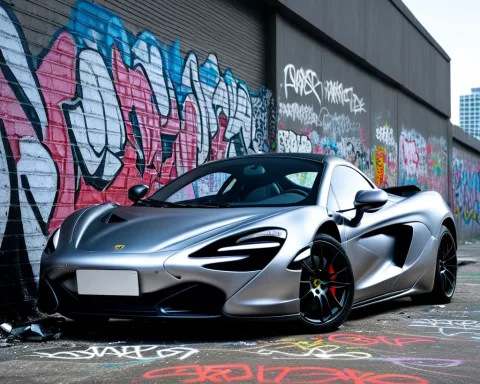
In March, Cape Town’s famous musician 3GAR crashed his expensive McLaren on a busy road, caught on clear CCTV, but no charges followed. This silence from the police sparked anger and debate about whether celebrities get special treatment. While 3GAR shared his recovery online, many worried that justice was being delayed because of his fame. The crash became a symbol of bigger problems—how fame, power, and law in Cape Town struggle to balance fairness and accountability.