the ultimate mother city guide






Cape Town News

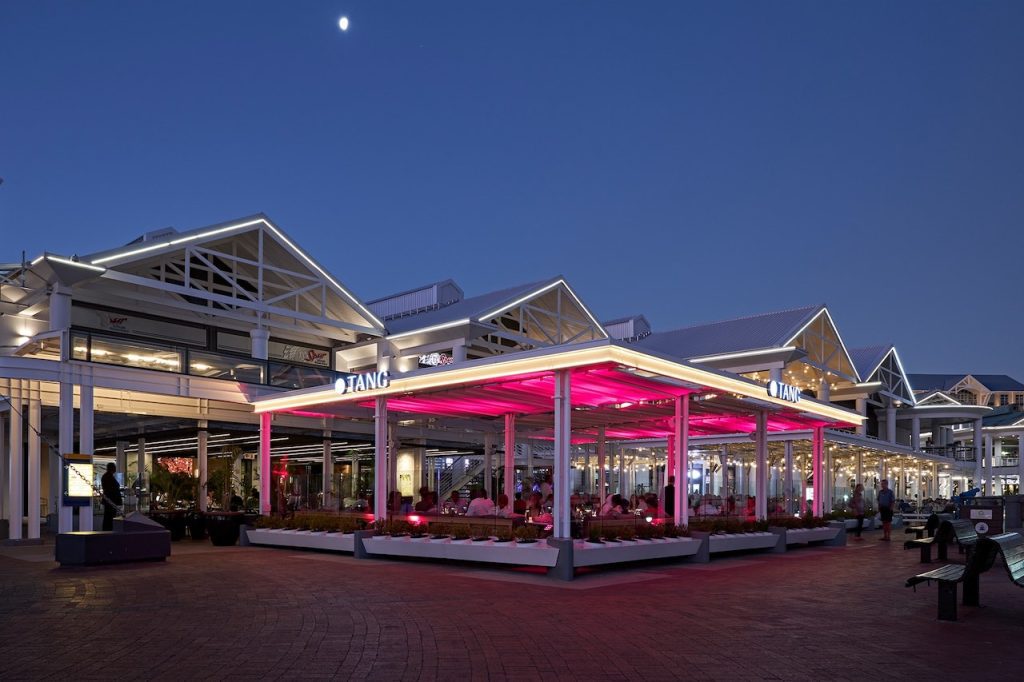
Tashas started as a small café in Johannesburg, where Natasha Sideris created a warm, creative space full of care and culture. The brand grows South African talent by teaching real skills, offering mentorship, and helping staff move abroad with strong support. They believe in lifting people up from within, giving everyone chances to learn, lead, and shine on the world stage. Through kindness and smart training, Tashas turns local workers into confident global ambassadors, spreading South African spirit far and wide.


At the 2025 G20 Summit in South Africa, Donald Trump stirred a big fight by demanding protection for white Afrikaners, saying they faced violence and land loss. This surprised many because the summit was supposed to focus on world money and trade, not one country’s problems. South Africa’s leaders pushed back, saying Trump was wrong and meddling in their affairs. The clash made tensions rise between the US and South Africa, turning the global meeting into a heated debate about history, race, and politics. Now, everyone watches closely to see if they can find peace or if the conflict will grow even bigger.


As winter’s chill grips Cape Town, the city steps up with a caring plan to help its most vulnerable people. Through the Winter Readiness Programme, shelters receive warm blankets, food, and hygiene packs, while extra staff are hired to keep services running smoothly. This effort is more than just protection from the cold—it’s a promise of hope, dignity, and new chances. By bringing together city resources, nonprofits, and everyday citizens, Cape Town creates a strong web of support that reminds everyone they are not alone during the toughest season.
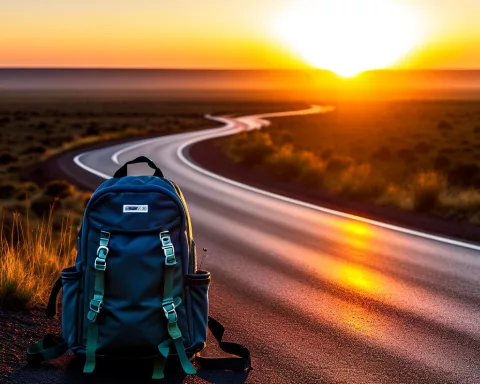

Nicole LiedemannTelukram is walking 1,400 km across South Africa to raise money and awareness for Dercum’s Disease, a rare and painful illness affecting her husband. Every step she takes shows her courage and love, as she faces tough weather, blisters, and exhaustion. Along the way, strangers offer kindness, reminding her that community support is powerful. Nicole’s journey is more than a walk—it’s a hopeful fight to help families like hers and bring attention to a littleknown disease.
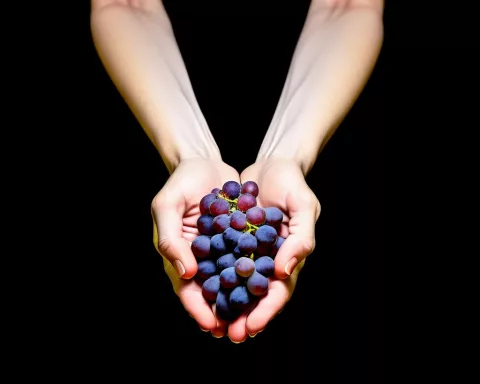
Women farm workers in the Western Cape work hard to keep the region’s farms and harvests alive, yet they face low pay, poor treatment, and little support. Early one morning, nearly two hundred women marched through Cape Town, demanding respect, fair wages, and better access to help like unemployment benefits. Their voices broke the silence around invisible struggles, showing that behind every fruit and bottle of wine are stories of strength and hope. Despite promises from officials, these women remain cautious, knowing real change means seeing their lives and work truly valued.
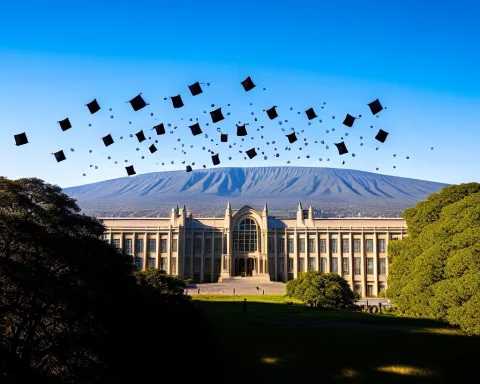

Under the shadow of Table Mountain, Palestinian students who escaped the destruction in Gaza gathered at the University of Cape Town to graduate, turning pain into pride. Their ceremony was more than just a celebration—it was a powerful symbol of hope, resilience, and new beginnings far from war. South Africans, remembering their own struggles, welcomed these students with open hearts, sharing a bond of solidarity and the dream of justice. This moment showed how, even in dark times, education and kindness can light the way to a better future.

Vaping is quickly becoming a popular habit among South African teenagers, drawn by sweet fruity flavors, flashy packaging, and the buzz on social media. Many teens vape to fit in with friends, feel cool and rebellious, or to escape stress and anxiety. However, what seems like harmless fun can quickly turn into addiction, affecting their health and wellbeing. Despite the risks, vaping is often misunderstood, making it harder for families and schools to stop this growing trend. It’s a serious challenge that needs everyone—parents, teachers, and leaders—to work together to protect young people’s futures.
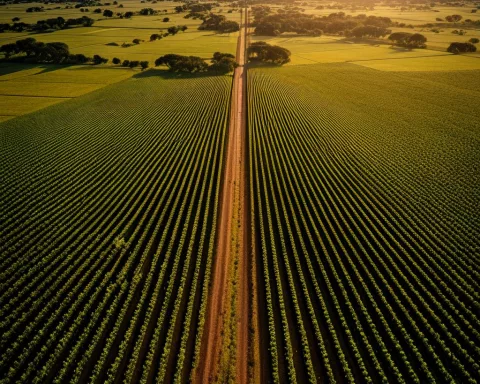

Since 2000, the African Growth and Opportunity Act (AGOA) has helped South African farmers sell fruits like avocados, wine, and citrus to the United States without paying extra taxes. This chance boosted farming communities, especially small farmers and women, by opening up new markets and encouraging growth. But recent U.S. tariffs threaten these gains, making it harder for farmers to compete and putting many livelihoods at risk. Still, South African farmers remain strong and hopeful, working hard to face these new challenges and keep their communities alive.
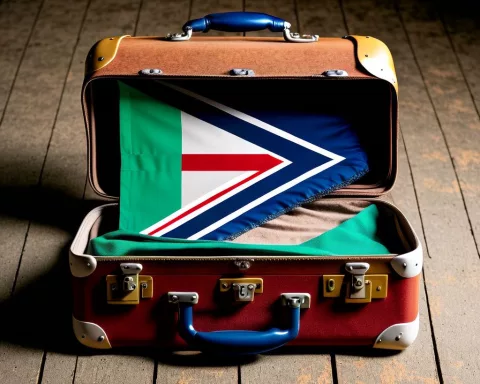

Ashley Oosthuizen, a young South African woman, went to Thailand chasing her dreams but ended up trapped in a nightmare. After unknowingly signing for a package with illegal drugs, she was arrested and sentenced to over 13 years in prison, despite being innocent. Her mother moved to Thailand to fight for her, sharing Ashley’s story with the world and gaining support. Even when the real criminal confessed, the Thai courts kept Ashley behind bars. Her story is a powerful reminder of how quickly life can change and the risks travelers face in foreign countries.


In April 2025, three South African police officers disappeared during a trip and were later found dead near the Hennops River, along with two others. Their white car vanished into the river’s dark, swirling waters, hiding clues and sparking a deep mystery. Families and the public mourned, demanding answers amid fears of foul play. The quiet river, once peaceful, now holds heavy secrets and reminds the nation of the dangers police face and the urgent need for justice.

Cape Town’s boatbuilding industry is a shining example of skill and tradition mixed with new technology. It creates beautiful, strong boats that are loved worldwide and supports thousands of jobs in the city. But now, new tariffs on exports, especially to the US, threaten this important work and the people who depend on it. Despite these challenges, boatbuilders, city leaders, and innovators are coming together to protect this proud craft. Their passion and teamwork fuel hope that Cape Town’s boatbuilding legacy will sail on strong into the future.

Cape Town’s new property tariffs for 2025/26 bring fresh hope to many homeowners. The city is easing charges for people with homes valued between R2.5 million and R7 million, especially helping pensioners with limited income. Electricity costs will rise only slightly, and cleaning fees are going down, making bills fairer for all. These changes show Cape Town’s care for longtime residents, balancing smart city growth with kindness so everyone can feel secure in their homes.
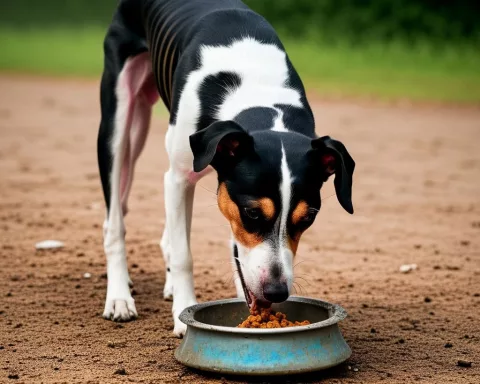

TEARS Animal Rescue in Cape Town runs the Feed Hungry Pets Programme to help families in poor neighborhoods care for their pets by providing food and support. Many pets face hunger because their owners can’t always afford pet food, and this program stops pets from being given up. Volunteers bring food and advice, keeping pets healthy and homes happy. TEARS shows how kindness to animals also strengthens the whole community, offering hope where it’s needed most.

The Joshlin Smith case in Saldanha Bay is a tense legal battle about serious human trafficking charges involving a missing child. The quiet fishing town became a spotlight for grief and hope as the courtroom drama unfolded, relying heavily on witness testimony with little physical proof. The defense challenged the weak evidence, while the community and media watched closely, showing how justice is both a legal fight and a story told through public eyes. This case reveals South Africa’s struggle to find truth and fairness amid deep pain and uncertainty.


Each dry summer, wildfires sweep across Cape Town’s Table Mountain, driven by hot winds, invasive plants, and sometimes human carelessness. These fires roar quickly through thick fynbos, threatening rare plants and homes alike, while firefighters battle bravely from land and sky to control the flames. The community comes together, sending supplies and support, showing how deeply Cape Towners care for their mountain. Though fire is part of nature’s cycle, climate change and frequent blazes put this delicate balance at risk, making every effort to protect Table Mountain more important than ever.


South Africa decided not to raise VAT by 0.5% after a big public outcry. People worried the extra tax would make life harder with rising prices and many without jobs. Protests, legal fights, and political pressure made the government change its mind. This choice shows how South Africans’ voices can shape important government decisions. Now, the country faces new challenges to find money without hurting its people.