Preserving the Charm of Muizenberg’s Beach Huts
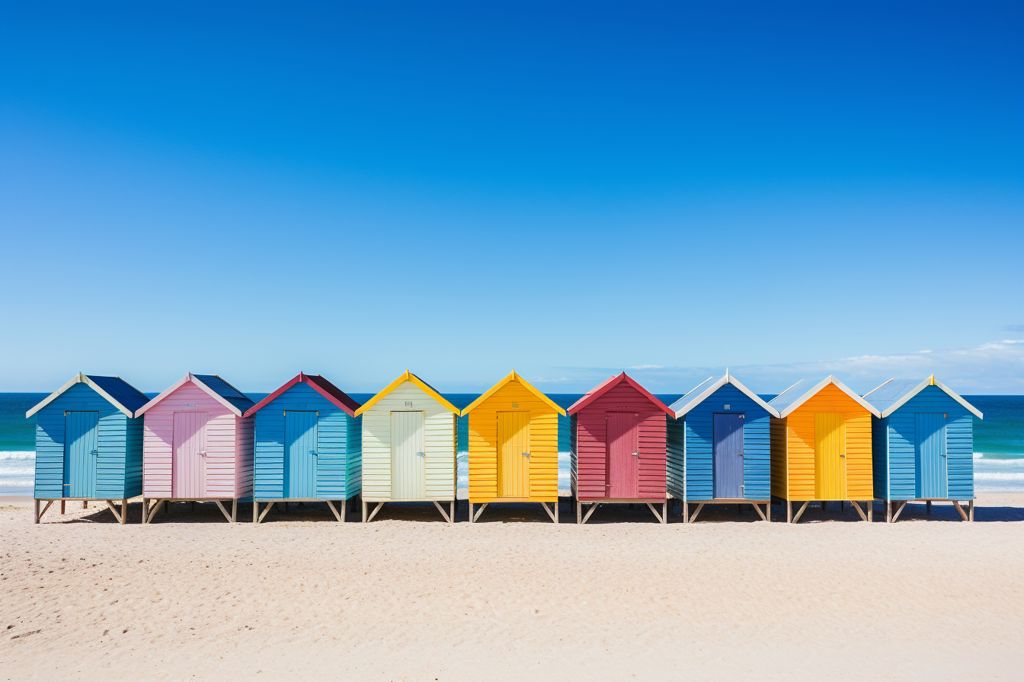
Situated along the coast of Cape Town, South Africa, the eye-catching and delightful Muizenberg Beach Huts have been a long-standing emblem of the city’s tourism history. These remarkable structures, known for their vivid and colourful exteriors, link us to a rich cultural and historical legacy deeply rooted in Muizenberg’s community. With the latest renovation phase underway, the reinvigoration of these cherished beach huts will carry on, maintaining their appeal and personality for future generations.
The Muizenberg Huts Restoration Project, a cooperative effort among the City of Cape Town, the Recreation and Parks Department, and the Corporate Project Programme and Portfolio Management Department, aims to revitalize these treasured landmarks. Building upon the successful completion of Phase 1, which centered on the restoration of beach huts at Surfers Corner, Phase 2 initiates the renewal of the beach huts situated on Muizenberg East Beach Side.
Phase 2: Breathing Life into Muizenberg’s Iconic Structures
Launched in September, the second phase of the restoration project comes with an ample budget allocation of R5.9 million. This ambitious venture encompasses the renovation of 26 double huts and 10 single huts, with an expected completion date in late November. The extensive scope of work covers several crucial elements, such as structural repairs, painting, and the installation of new roofs and doors. Alongside the practical aspects of renovation, the project also emphasizes maintaining the architectural integrity and visual appeal of the huts.
Mayor Geordin Hill-Lewis has shown enthusiasm for this partnership with the Friends of the Muizenberg Huts, a community-based organization that has played a vital role in the success of the restoration project thus far. The Mayor underscored the significance of preserving and enhancing the unique personality of these beach huts, which remain a symbol of Cape Town’s tourism history.
“The primary goal is to preserve the iconic representation of Cape Town’s tourism history, a crucial part of Muizenberg’s rich cultural and historical legacy,” he stated. “Through considerate design, we will ensure that these iconic huts continue to symbolize the area’s charm and personality for generations to come. We look forward to collaborating closely with the community and stakeholders throughout this project to create a lively and sustainable beachfront destination for both locals and visitors.”
A Testament to Collaboration and Communal Efforts
The City’s mayoral committee member for community services and health, Councillor Patricia Van der Ross, further highlighted the importance of this ongoing project. Upon its completion, all beach huts on Muizenberg Beach will have undergone thorough refurbishment, guaranteeing their durability and enduring attraction.
Councillor Van der Ross also expressed her gratitude to the Friends of the Muizenberg Huts for their unwavering dedication and help throughout the restoration process. The group has not only contributed to the maintenance and management of the huts, but has also secured a significant donation of Everite cladding for the project. In this spirit of shared responsibility, the councillor encouraged the public to participate in the preservation efforts.
“I want to appeal to the public at large to help us preserve these iconic structures that contribute to the uniqueness of Cape Town’s coastline by using them responsibly and helping to protect them,” she implored.
The revitalization of Muizenberg’s beach huts demonstrates the strength of collaboration, where community engagement and investment in cultural heritage unite to protect a valued piece of Cape Town’s history. As the restoration of these coastal treasures advances, the Muizenberg Huts Restoration Project serves as a source of hope and pride, highlighting the lasting charm and character of Cape Town’s adored beach huts for generations to come.