In Cape Town, there’s a growing call for supercar drivers to have a special licence to ensure safety on the roads. Recent accidents, including a high-speed crash involving a flashy McLaren, have sparked serious concerns about drivers’ skills and responsibility when handling such powerful machines. A special licence would require advanced driving skills and could lower accidents, making the roads safer for everyone. By learning from places like Australia and the UAE, Cape Town can create rules that protect both supercar owners and the community, turning the thrill of speed into a safe and responsible experience.
Should supercar drivers in Cape Town require a special licence?
Yes, supercar drivers in Cape Town should require a special licence to ensure safety and responsible driving. This licence would mandate advanced driving skills, age limits, and specific vehicle criteria, helping to reduce accidents and enhance road safety in the community.
The Call for a Special Licence
Recent events in Cape Town have ignited a heated debate on whether a special licence should be mandated for supercar drivers. The catalyst for this discussion was the high-speed collision involving Nigerian rapper 3GAR Baby, whose real name is Prince Daniel Obioma. Captured on CCTV, the incident quickly spread across social media, drawing widespread attention. When coupled with another fatal accident that claimed the lives of a 32-year-old doctor and one other person, the necessity of a special licence for supercar drivers becomes a pressing issue.
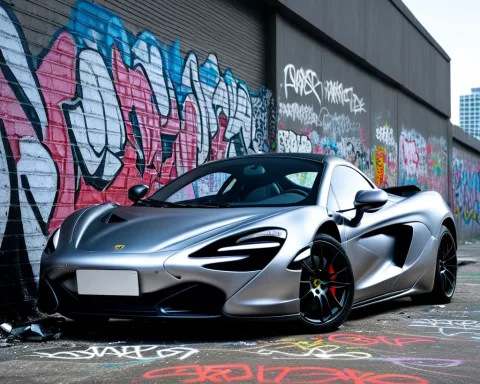
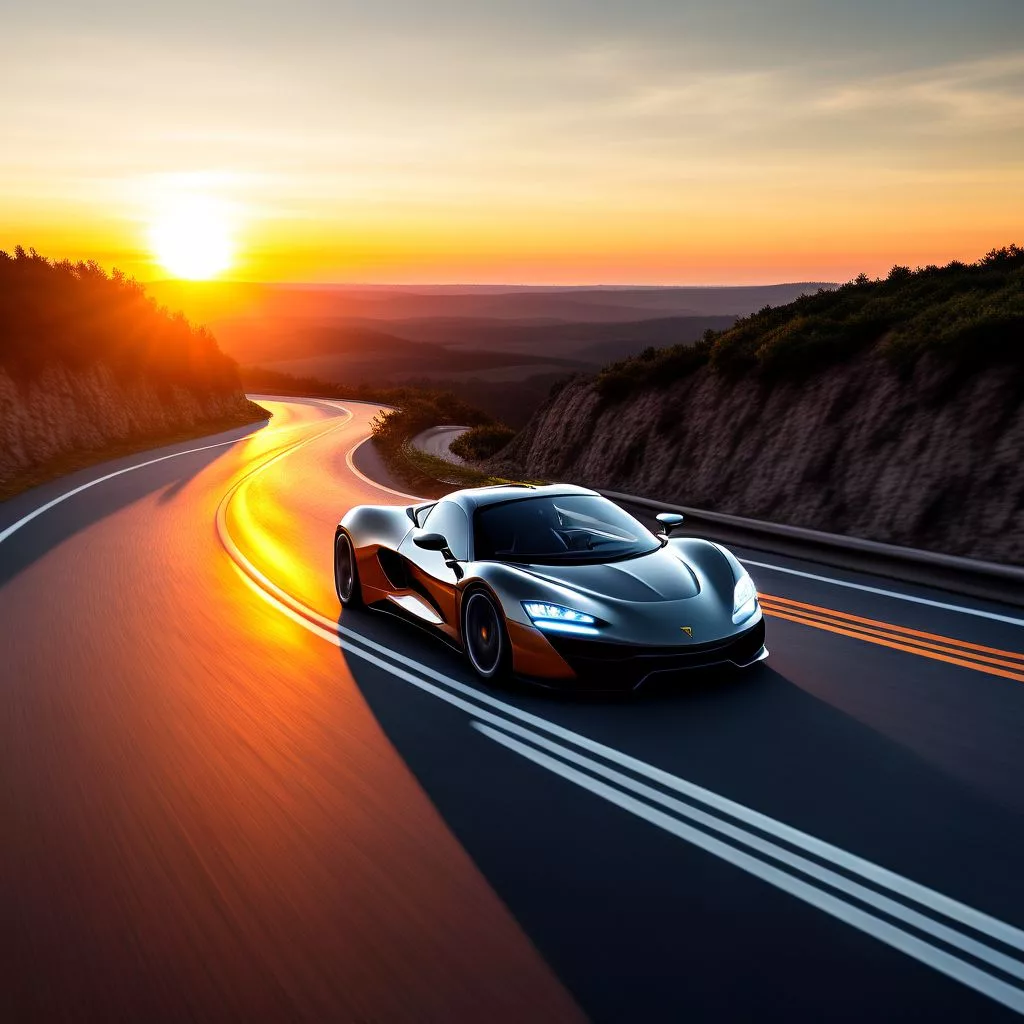
Prince Daniel Obioma, a resident of Cape Town but originally from Rivers State, Nigeria, epitomizes the allure of speed with his choice of vehicle: a McLaren 570S. This high-performance car is not just a symbol of luxury but a powerhouse featuring a twin-turbo V8 engine, a carbon-fibre body, and the ability to accelerate from 0 to 100 km/h in just 3.2 seconds. However, the recent crash underscores a stark reality: the possession of a supercar does not equate to the ability to handle it safely.
The McLaren 570S, delivering 420 kW to its rear wheels, demands a higher level of driving proficiency than ordinary vehicles. The crash, which occurred in the early hours of a weekend morning, raises questions about potential intoxication, but the primary concern remains the skill gap in managing such a powerful machine. Obioma’s lack of expertise in controlling this supercar points to the broader issue of whether special licensing should be required.
The Weight of Responsibility
The saying “with great power comes great responsibility” finds significant relevance in the context of supercars. Various regions worldwide have already recognized the necessity for special licensing to handle these high-performance vehicles. In Victoria, Australia, for example, drivers are required to obtain a ‘U-class’ endorsement for supercars. This graduated licence system acknowledges that driving a supercar involves skills far beyond those needed for standard vehicles.
The Western Cape could benefit from adopting similar restrictions, which may include age limits and specific criteria for defining what constitutes a supercar. Factors such as the number of engine cylinders or a power-to-weight ratio could be used to classify these vehicles. In Victoria, a supercar is defined by having a power-to-weight ratio of at least 276 kW per tonne. By this measure, Obioma’s McLaren 570S, with a power-to-weight ratio of 323 kW per tonne, falls squarely into the supercar category.
Other countries have also implemented measures to curb supercar-related accidents. The United Arab Emirates, known for its high concentration of exotic cars, requires a special licence for supercar drivers. This measure aims to reduce the number of high-profile accidents involving these powerful vehicles. Similarly, the United Kingdom uses prohibitively high insurance premiums as a de-facto licence limitation for supercar ownership.
The Need for a Special Mindset
Possessing a supercar involves more than just technical skills; it requires a fundamentally different mindset. The combination of extraordinary power, responsive handling, and the temptation to show off – often exacerbated by alcohol – has repeatedly proven to be a deadly mix. The excessive speed at which Prince Obioma was driving before his crash highlights the importance of adopting a responsible mindset when behind the wheel of a high-performance car.
Organizations like the Western Province Motor Club at Killarney Raceway provide a constructive outlet for high-performance driving. They offer open track days where supercar owners can safely test their vehicles’ limits. These events often include both theoretical and practical components, teaching participants the physics of driving and allowing them to practice on a skid-pan and racetrack. Such initiatives bridge the gap between the financial capacity to purchase a supercar and the actual driving skills required to handle it.
Economic and Social Implications
Implementing a special licence for supercars in Cape Town could have significant economic and social benefits. Stricter regulations and additional training could potentially lower insurance premiums, making responsible supercar ownership more affordable. Moreover, the introduction of specialized training programs could generate new employment opportunities in both the automotive and education sectors.
On a social level, a special licensing requirement could enhance road safety, reducing the number of accidents and fatalities involving high-performance vehicles. This would not only save lives but also lessen the emotional and financial burden on families and communities affected by such tragedies. Additionally, it could help shift the culture around supercar ownership from one of ostentation to a more responsible and skill-based endeavor.
Global Lessons and Local Applications
Cape Town can draw valuable lessons from other cities facing similar challenges. Monaco, for example, with its narrow streets and high density of luxury cars, has stringent driving tests and frequent road safety campaigns. These efforts have successfully reduced the number of accidents despite the high concentration of powerful vehicles.
Germany’s Autobahn, renowned for its sections with no speed limits, maintains safety through rigorous driver training and stringent vehicle regulations. These international examples demonstrate that with the right mix of regulation, education, and enforcement, the risks associated with supercar driving can be significantly mitigated.
In summary, the debate over introducing a special licence for supercars in Cape Town highlights the broader issue of balancing the allure of high-performance vehicles with the necessity of road safety. As Cape Town navigates this complex landscape, adopting insights from other jurisdictions could be instrumental in crafting effective policies that protect both drivers and the public.
FAQ: Special Licence for Supercars in Cape Town
1. Why is there a call for a special licence for supercar drivers in Cape Town?
The call for a special licence is driven by concerns over safety, particularly following recent high-speed accidents involving supercars. A special licence would ensure that drivers possess advanced driving skills, thereby reducing the risk of accidents and enhancing road safety for everyone.
2. What would a special licence for supercars entail?
A special licence would likely require advanced driving skills, age limitations, and specific criteria for vehicle classification. This could include requirements based on engine power, weight, and performance capabilities, similar to systems in places like Victoria, Australia.
3. How do other countries handle supercar driving regulations?
Countries like the United Arab Emirates and Australia have implemented special licensing requirements for supercar drivers to curb accidents. In Australia, for instance, a ‘U-class’ endorsement is needed, which acknowledges the unique driving skills required for such high-performance vehicles.
4. What are the potential benefits of implementing a special licence in Cape Town?
The introduction of a special licence could lower insurance premiums, improve road safety, and create new employment opportunities in the automotive and education sectors. It also aims to foster a culture of responsible supercar ownership, shifting focus from ostentation to skill and safety.
5. How do supercar driving events help promote safe driving?
Organizations like the Western Province Motor Club offer track days that provide supercar owners with a safe environment to test their driving skills. These events include training on driving physics, allowing participants to practice on racetracks and skid-pans, bridging the gap between ownership and skill.
6. What lessons can Cape Town learn from other regions regarding supercar regulations?
Cape Town can learn from cities like Monaco and Germany, which have successfully implemented stringent regulations and driver training programs to enhance road safety. By adopting similar measures, Cape Town can mitigate the risks associated with supercar driving while promoting responsible behavior among drivers.