
The Mini Galaxy Flower: A Remarkable Rediscovery in Nuwejaars Wetlands

The Mini Galaxy flower, once thought extinct, has been rediscovered in the Nuwejaars Wetlands Special Management Area in South Africa. The yellow flower blooms for only a few hours after rain and grows in dangerous locations such as road verges, making conservation efforts challenging. The area in which the Mini Galaxy was found is of significant ecological importance, containing nearly 50% of all remaining Agulhas Sand Fynbos and 20% of Agulhas Limestone Fynbos worldwide, both of which are crit...
The Mini Galaxy flower, once thought extinct, has been rediscovered in the Nuwejaars Wetlands Special Management Area in South Africa. The yellow flower blooms for only a few hours after rain and grows in dangerous locations such as road verges, making conservation efforts challenging. The area in which the Mini Galaxy was found is of significant ecological importance, containing nearly 50% of all remaining Agulhas Sand Fynbos and 20% of Agulhas Limestone Fynbos worldwide, both of which are critically endangered.
What is the Mini Galaxy flower and why was it considered extinct?
Get Cape Town news in your inbox
Stay updated with the latest stories from the Mother City.
The Mini Galaxy (Moraea minima) is a type of fynbos flower that was previously thought to be extinct. Last observed in 1981, it was rediscovered in the Nuwejaars Wetlands Special Management Area in August 2022. The plant only blooms for a few hours following rain in spring, disappearing until the next rain event. It grows in dangerous locations such as road verges, making conservation efforts challenging. The Mini Galaxy was first listed as Critically Endangered in 1981 and was known to grow in only one area.
A Lost Fynbos Flower Reemerges
A fynbos species, previously considered extinct, has been found once again near the southernmost part of Africa in the Nuwejaars Wetlands Special Management Area (NWSMA). Last observed in 1981, the fragile yellow flower, referred to as the Mini Galaxy (Moraea minima), was discovered by NWSMA Conservation Manager Eugéne Hahndiek during a routine drive in August 2022.
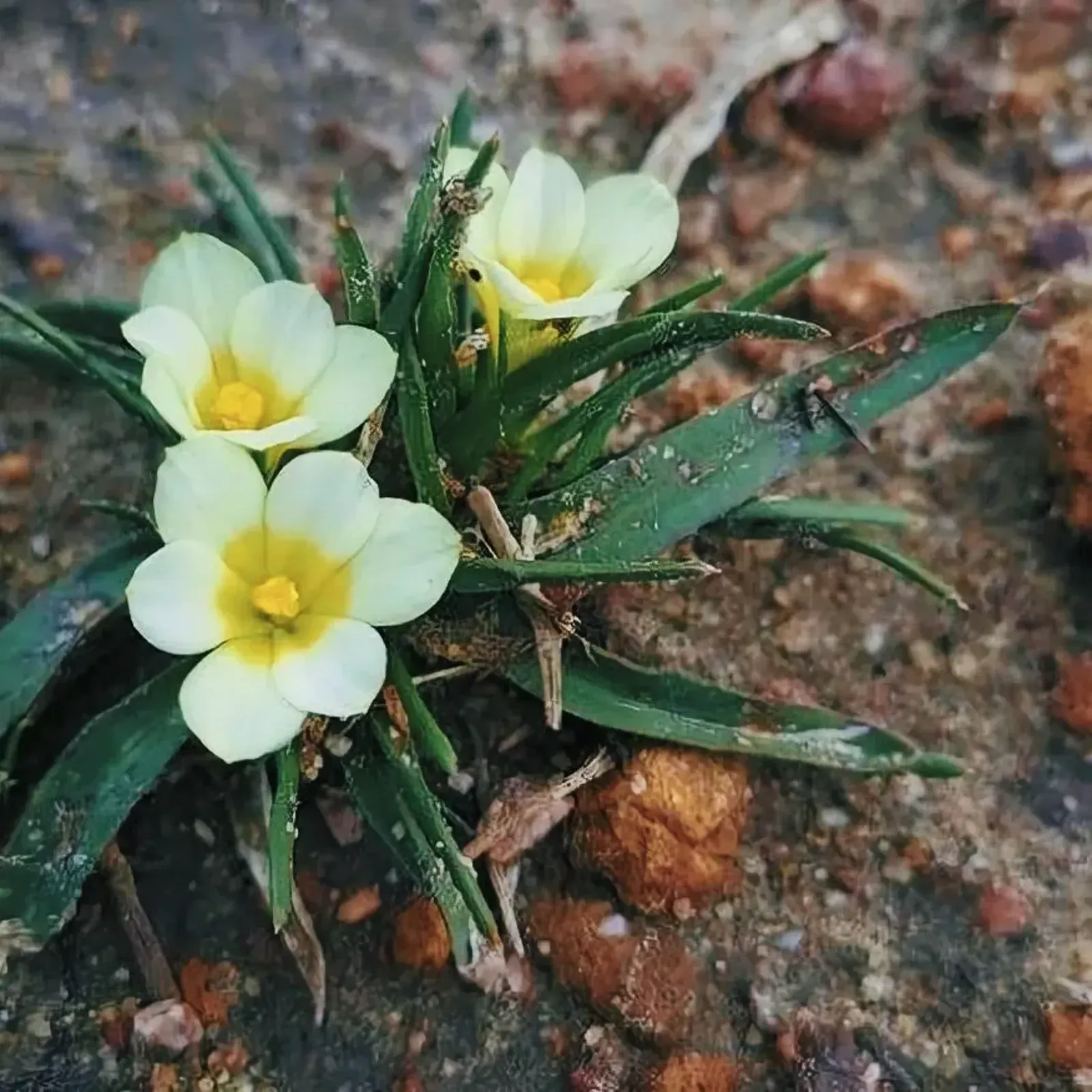
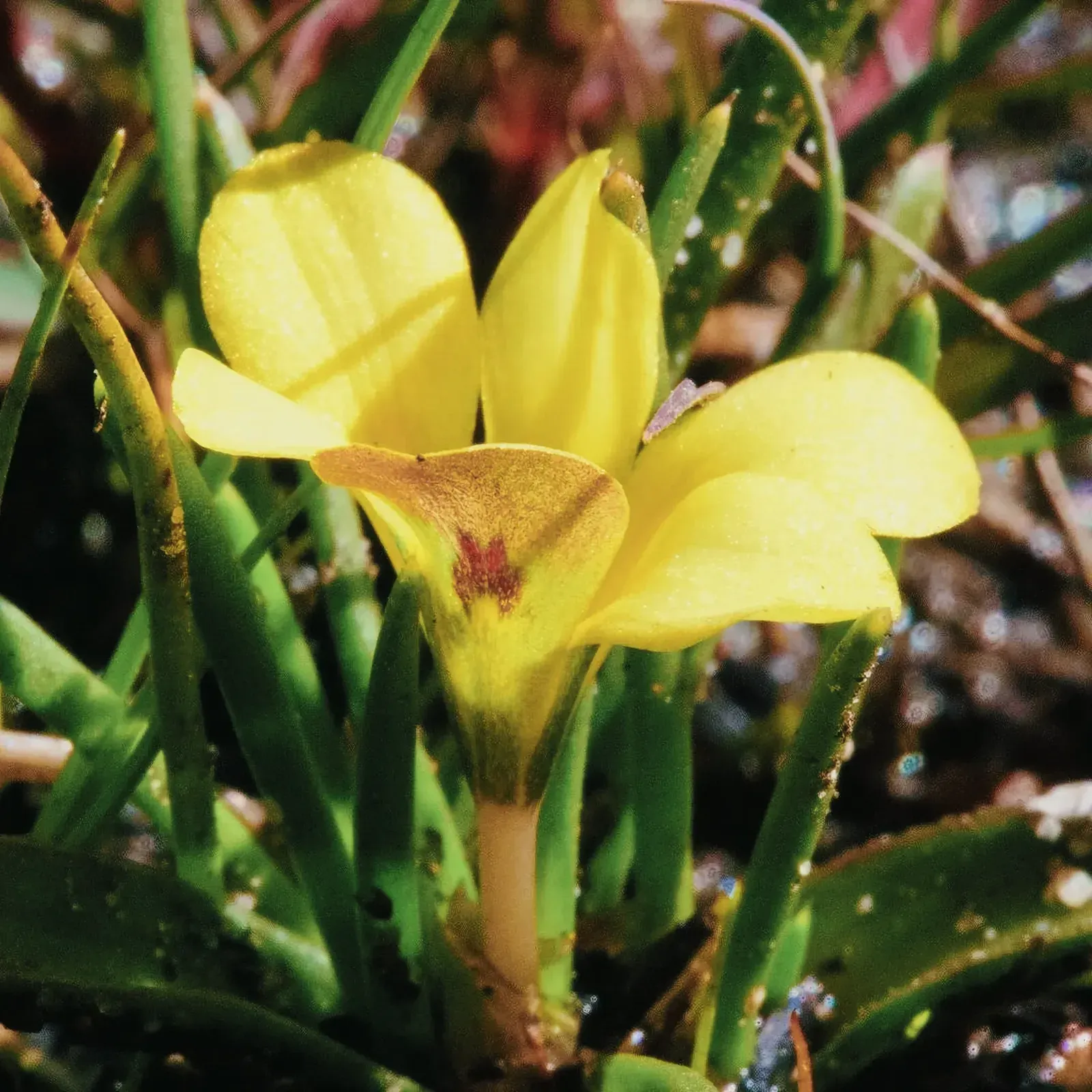
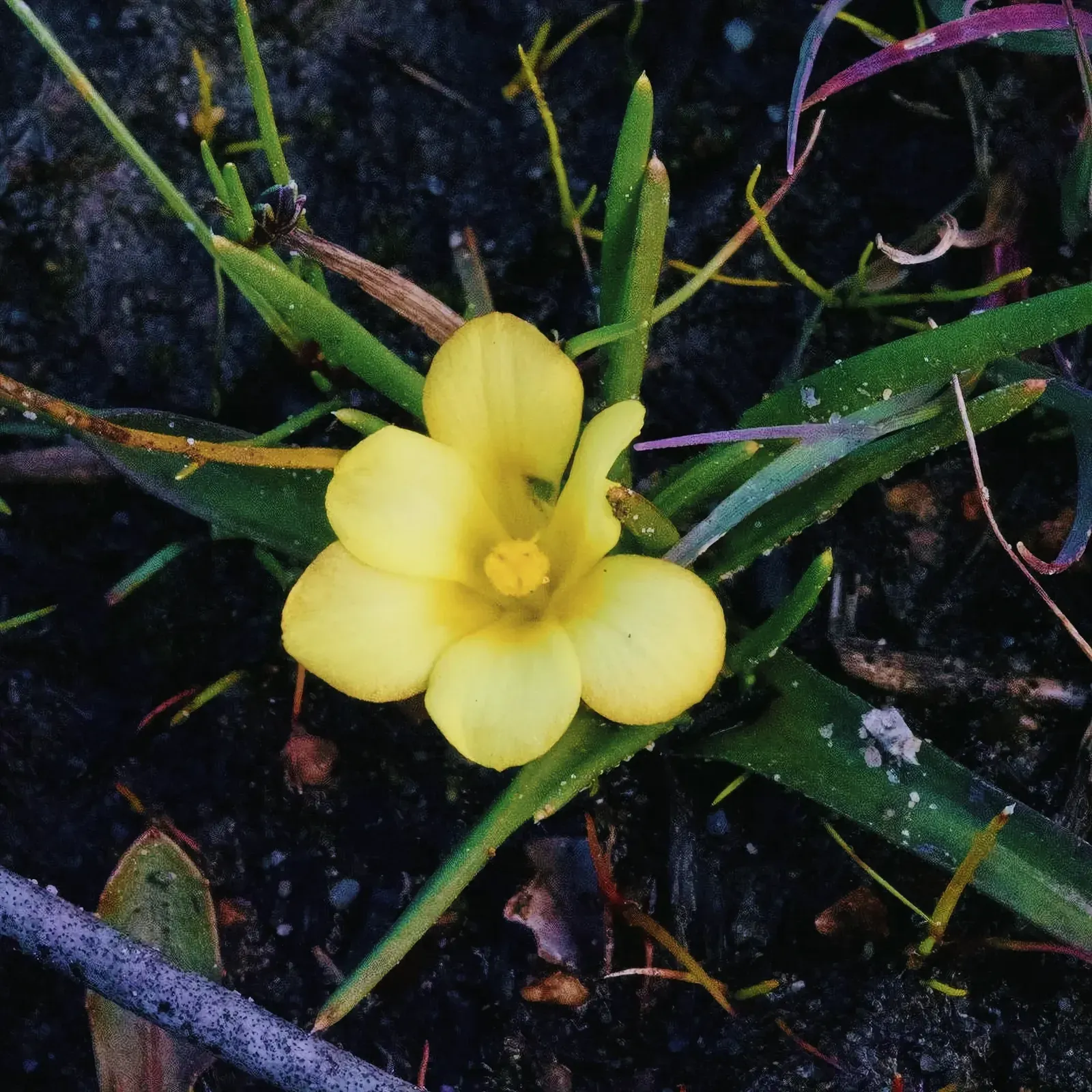
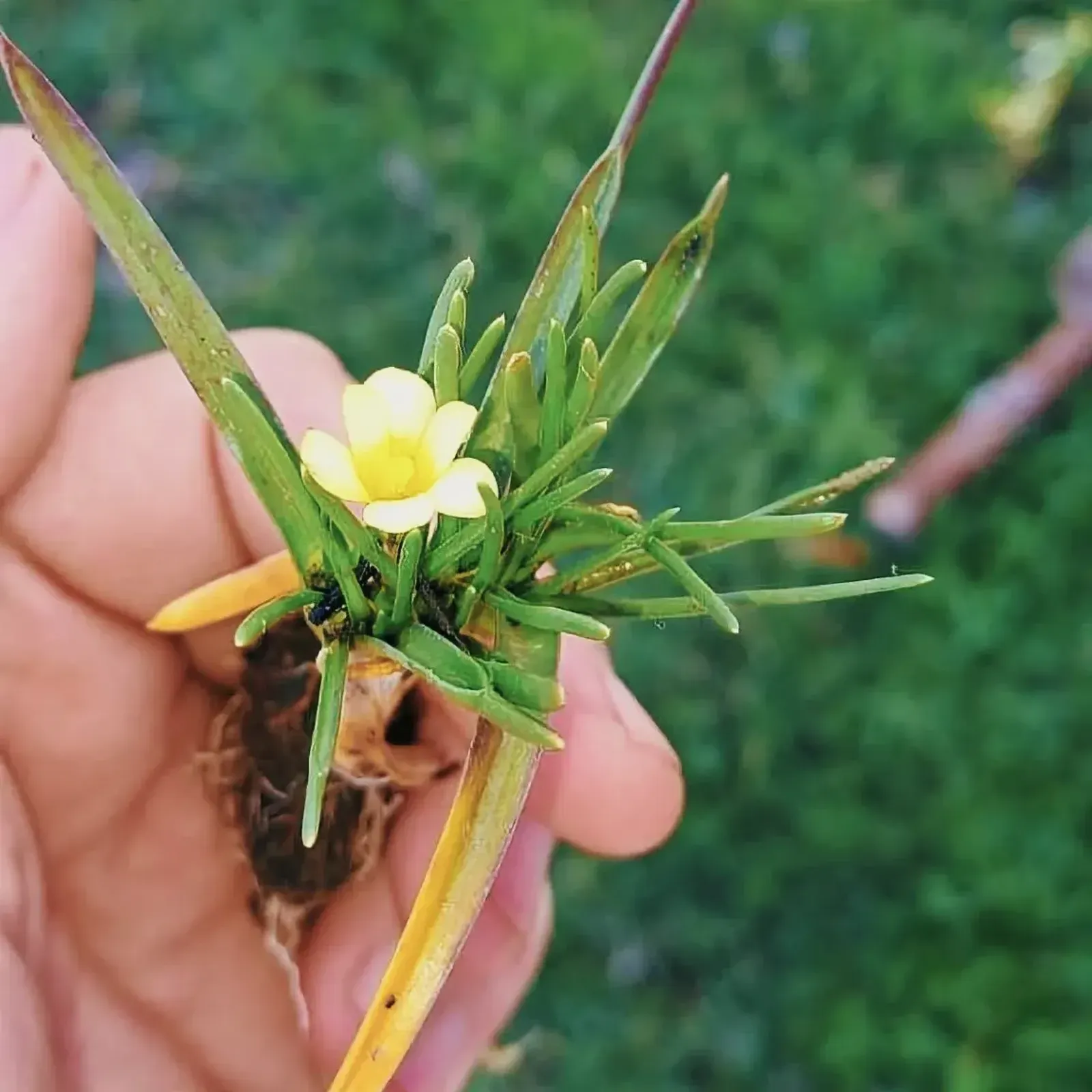
Hahndiek captured an image of the blossoming plant in the middle of a road and shared it on iNaturalist, a widely used app where citizen scientists globally document biodiversity observations. Initially, he wrongly identified it as a common Moraea species, Moraea galaxia. However, his photograph caught the attention of scientist Dr. John Manning, who accurately identified the plant as the long-lost Moraea minima – a species that the Custodians of Rare and Endangered Wildflowers (CREW) had been seeking.
Conserving the elusive Mini Galaxy poses a significant challenge. Hahndiek explains that the species only blooms for a few hours following rain in spring, disappearing until the next rain event. Moreover, these plants frequently grow in dangerous locations, such as road verges or even in the middle of roads, highlighting the importance of identifying them for their protection.
Rediscovery and Conservation Efforts
In July, guided by Dr. Manning’s information, the CREW team visited the original site in search of the species but found no flowers. Unfazed, they returned in August, and this time, CREW’s Sharndre Heuvel found the species at a new location. First listed as Critically Endangered in 1981, the Mini Galaxy was known to grow in only one area, heavily infested with invasive alien plants. Its habitat, the Agulhas Sand Fynbos, is also critically endangered.
Since the inquiry into Moraea minima commenced, Hahndiek, the NWSMA team, and CREW have located two populations of the plant. Ismail Ebrahim, project manager for CREW’s Cape Floristic Region, stresses the significance of regular monitoring and public involvement in programs like CREW and iNaturalist. These joint efforts are vital for comprehending the unique flora and determining necessary conservation actions.
The Significance of Nuwejaars Wetlands Special Management Area
The Nuwejaars Wetlands Special Management Area plays a crucial role in preserving essential habitats. Spanning 26 farms and covering 47,000 hectares, the conservation area is located between the towns of Bredasdorp and Elim in the Overberg. Half of this extensive area consists of natural land and wetlands, including nearly 50% of all remaining Agulhas Sand Fynbos and 20% of Agulhas Limestone Fynbos worldwide, both of which are critically endangered. Additionally, approximately 40% of the endangered Elim Ferricrete Fynbos can be found here.
Farmers have signed title deed restrictions in perpetuity to ensure the long-term protection of this land. The rediscovery of the Mini Galaxy underscores the importance of conservation areas like these, as well as the efforts of dedicated individuals and organizations such as NWSMA and CREW. Their work enables us to gain a deeper understanding of our planet’s rich biodiversity and to preserve it, ensuring that future generations can admire these natural wonders.
1. What is the Mini Galaxy flower and why was it considered extinct?
The Mini Galaxy (Moraea minima) is a type of fynbos flower that was previously thought to be extinct. Last observed in 1981, it was rediscovered in the Nuwejaars Wetlands Special Management Area in August 2022. The plant only blooms for a few hours following rain in spring, disappearing until the next rain event. It grows in dangerous locations such as road verges, making conservation efforts challenging. The Mini Galaxy was first listed as Critically Endangered in 1981 and was known to grow in only one area.
2. Where was the Mini Galaxy flower rediscovered?
The Mini Galaxy flower was rediscovered in the Nuwejaars Wetlands Special Management Area in South Africa.
3. Who rediscovered the Mini Galaxy flower?
The Mini Galaxy flower was rediscovered by NWSMA Conservation Manager Eugéne Hahndiek during a routine drive in August 2022.
4. What is the significance of the Nuwejaars Wetlands Special Management Area?
The Nuwejaars Wetlands Special Management Area is an area of significant ecological importance, containing nearly 50% of all remaining Agulhas Sand Fynbos and 20% of Agulhas Limestone Fynbos worldwide, both of which are critically endangered. The area spans 26 farms and covers 47,000 hectares and is located between the towns of Bredasdorp and Elim in the Overberg.
5. What is the Agulhas Sand Fynbos?
The Agulhas Sand Fynbos is a critically endangered type of fynbos that grows in the Nuwejaars Wetlands Special Management Area.
6. How many populations of the Mini Galaxy flower have been found since its rediscovery?
Since the inquiry into Moraea minima commenced, NWSMA, CREW, and their teams have located two populations of the plant.
7. What is CREW?
CREW stands for the Custodians of Rare and Endangered Wildflowers. It is an organization that seeks to protect and conserve rare and endangered plant species in South Africa.
8. What is the role of public involvement in programs like CREW and iNaturalist?
According to Ismail Ebrahim, project manager for CREW’s Cape Floristic Region, public involvement in programs like CREW and iNaturalist is significant for comprehending the unique flora and determining necessary conservation actions. Joint efforts are vital for preserving the planet’s rich biodiversity, enabling future generations to admire these natural wonders.

Aiden Abrahams is a Cape Town-based journalist who chronicles the city’s shifting political landscape for the Weekend Argus and Daily Maverick. Whether tracking parliamentary debates or tracing the legacy of District Six through his family’s own displacement, he roots every story in the voices that braid the Peninsula’s many cultures. Off deadline you’ll find him pacing the Sea Point promenade, debating Kaapse klopse rhythms with anyone who’ll listen.
View all articles →