The Ongoing Conflict in Sudan and South Africa’s Involvement

1 min read
sudan south africa

The situation in Sudan has been volatile since the removal of former President Omar al-Bashir in April 2019. The country has been in a transitional period, with a power-sharing government comprising military and civilian factions. However, tensions have risen in recent weeks due to disagreements over the country’s future.

Conflict between SAF and RSF

The latest conflict involves two groups in Sudan: the Sudanese Armed Forces (SAF) and the Rapid Support Forces (RSF). The latter is a paramilitary force accused of committing human rights abuses in Darfur that seeks to integrate into the country’s military. However, negotiations have stalled, leading to rising tensions.

Newsletter

Stay Informed • Cape Town

Get breaking news, events, and local stories delivered to your inbox daily. All the news that matters in under 5 minutes.

Join 10,000+ readers
No spam, unsubscribe anytime

Last week, the RSF allegedly launched an attack on a military convoy, resulting in clashes between the two groups. The situation has further complicated the already tense political climate in Sudan.

International Response

The United Nations has called for an immediate cessation of hostilities in Sudan, and the African Union has suspended Sudan from its membership. The international community has expressed concern about the deteriorating situation in the country, with many calling for a peaceful resolution to the conflict.

South Africa’s Role

The South African government has been actively involved in efforts to bring peace to Sudan. President Cyril Ramaphosa appointed former Deputy President Kgalema Motlanthe to lead a fact-finding mission to Sudan. The goal is to explore ways to end the conflict and promote reconciliation.

In the meantime, the South African government is working on evacuating its citizens from Sudan. The government has been collaborating with security agencies to devise a safe and effective evacuation plan due to the risks posed by the ongoing fighting. The South African embassy in Sudan has provided consistent support and guidance to its citizens affected by the conflict.

Conclusion

The situation in Sudan is a reminder of the human cost of war and the urgent need for peace. Despite the challenges posed by the conflict, the South African government remains committed to working towards a peaceful resolution. The international community must continue to support efforts towards a ceasefire and a lasting solution to the crisis in Sudan.

Isabella Schmidt is a Cape Town journalist who chronicles the city’s evolving food culture, from Bo-Kaap spice merchants to Khayelitsha microbreweries. Raised hiking the trails that link Table Mountain to the Cape Flats, she brings the flavours and voices of her hometown to global readers with equal parts rigour and heart.

Leave a Reply

Your email address will not be published.

Previous Story

City of Cape Town Supports Annual Suidoosterfees

Next Story

Former Miss Rwanda Jolly Mutesi Shares Experience of Almost Falling Victim to Scam

Latest from Blog

From Randburg to the Record Books: How Tyla Rewrote Pop History in 2:45

Tyla, a young artist from Randburg, South Africa, exploded onto the music scene with her song “Chanel.” This catchy tune, made simply on headphones, became a massive hit without biglabel help. Thanks to TikTok and Spotify’s smart playlists, her music found millions of listeners globally. Tyla’s success shows that a great song, shared widely online, can now rewrite music history and reach the top charts, even from far away. She owns her music, giving her power that earlier artists never had.

Cape Town’s “Red Wedge”: How a 900-Metre Airport On-Ramp Became South Africa’s Most Watched Kill-Zone

{“summary”: “The \”Red Wedge\” in Cape Town is a dangerous 900meter stretch of airport road. It’s famous for terrible crimes like carjackings and smashandgrabs, making it South Africa’s most watched ‘killzone.’ This area was poorly designed in the 1970s, which now helps criminals ambush cars. Even with many cameras, police struggle to stop the quick attacks. Now, a big wall is being built, and new tech like drones and special apps are helping to fight back against the robbers.”}

South Africa’s 2025 Beef Surge: When Biology, Red Tape and a Thirsty Planet Collide

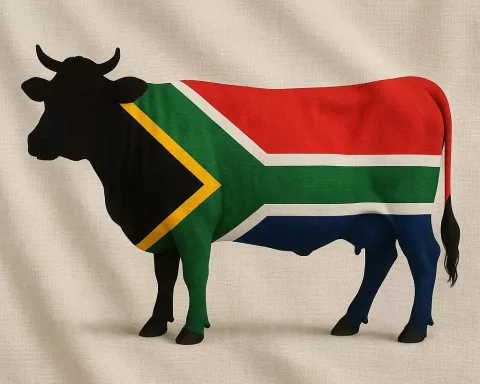
South African beef prices shot up in 2025, not because of local good news, but because the world ran short of red meat. Fewer cattle everywhere and China’s pork problems made other countries hungry for South African beef. Even with local sickness and people here buying less, farmers made more money. They sold to new places like the Middle East, using special tricks to get around problems. But the future is tricky, with animal sickness, changing weather, and how much money is worth all playing a part in what happens next for South African beef.

A Province That Won’t Stop Knocking on the Constitutional Door

The Western Cape really wants to break away from South Africa, but it’s super hard because of the law. The country’s main rule says South Africa must stay as one, and changing that is almost impossible. Even though many people in the Western Cape feel left behind and want to control their own future, the government keeps saying ‘no’. So, for now, the Western Cape has to find other ways to get more power without leaving the country.