
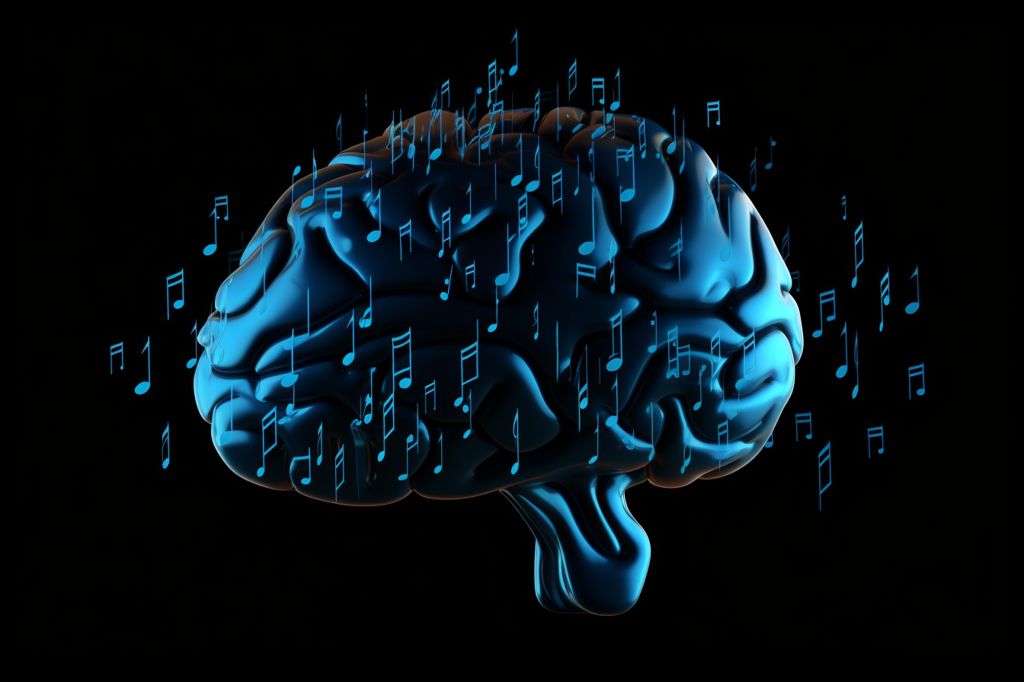
Music plays an essential role in our lives, captivating us with its melodies and ballads. Music therapy, a potent intervention, has a significant impact on our mental health. It helps us cope with stress, reduce anxiety and depression, improve cognitive function, and foster social connections. In this article, we will explore the benefits of music therapy in depth and examine its potential applications.
Harnessing Music as a Stress Reliever
Stressful situations in our personal and professional lives can be overwhelming. Listening to music can be an excellent way to unwind and temporarily escape our troubles. Research has shown that music can lower cortisol levels and increase the release of endorphins, which produce feelings of pleasure and well-being. These changes help to reduce stress, enhance relaxation, and promote mental resilience.
Singing Your Way to Well-being
Singing, whether alone or in a group, has been shown to increase levels of oxytocin, a hormone that promotes social bonding and reduces stress and anxiety. Singing also improves mood, self-esteem, and overall quality of life, making it an accessible and enjoyable means of enhancing mental well-being.
Combatting Anxiety and Depression with Melodies
Music therapy has been shown to alleviate symptoms of anxiety and depression. A 2017 meta-analysis encompassing 27 studies and over 1,500 patients revealed that music therapy reduced depressive symptoms in individuals with mood disorders and eased anxiety symptoms in those with anxiety disorders. This therapy may be a valuable adjunct to traditional treatments for anxiety and depression, offering a non-pharmacological and non-invasive means of support.
Enhancing Cognitive Function through Harmonies
Music therapy enhances memory and attention in individuals with dementia and bolsters cognitive function in healthy individuals. Learning to play a musical instrument can promote neuroplasticity, boost working memory, and improve executive function. Listening to music during exercise or cognitive tasks may also lead to enhanced performance and increased motivation.
Supporting Autism Spectrum Disorder with Rhythms
Music therapy is a valuable aid for individuals with autism spectrum disorders (ASD). It addresses the physical, emotional, cognitive, and social needs of those with ASD, providing a holistic approach to mental health care. Music therapy improves social skills, communication, and emotional expression, as well as reduces repetitive behaviors and sensory sensitivities.
Fostering Social Connections through Shared Melodies
Music has the ability to unite people and promote social engagement. Group music-making activities, such as choirs, drum circles, or jam sessions, can foster a sense of belonging, enhance social well-being, and even lead to the development of supportive friendships and communities.
Music therapy possesses immense potential as a healing force. By incorporating music into our daily lives, we can tap into its profound ability to improve our mental well-being and foster meaningful connections with others. As the field of music therapy continues to grow and develop, it will contribute to a more comprehensive understanding of mental health care.