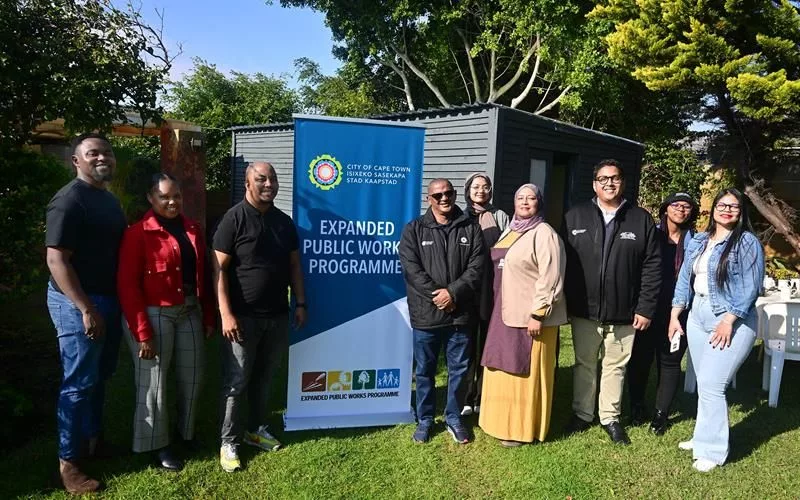
Cape Town’s Expanded Public Works Programme (EPWP) plays a crucial role in generating employment opportunities and developing skills for its residents. The program has evolved from creating job opportunities to serving as a platform for skills development, enabling recruitment into a variety of fields. The city has invested over R460 million in multi-year skills development projects, providing practical work experience and training for unemployed residents and fostering a more inclusive economy.
What is EPWP and how does it enhance economic inclusion and skills development in Cape Town?
The Expanded Public Works Programme (EPWP) is a vital aid for developing skills and generating employment opportunities for the people of Cape Town. The program has evolved from generating job opportunities to serving as a platform for skills development, enabling recruitment into a variety of fields. The city has pledged to put more emphasis on training and skills development schemes, with a substantial investment of over R460 million lined up for multi-year skills development projects.
In the lively and bustling city of Cape Town, the Expanded Public Works Programme (EPWP) has become a vital aid for developing skills and generating employment opportunities for its people. The city has pledged to put more emphasis on training and skills development schemes, with a substantial investment of over R460 million lined up for multi-year skills development projects. These projects are funded by grants provided by the City and the National government.
Cape Town has played a significant role in creating avenues for individuals participating in the EPWP to refine their skills and boost their professional capabilities since the program’s launch. In 2018, the city set in motion a framework for Public Employment and Skills Development (PESD), signifying a new phase of dedicated, multi-year skills development projects.
In the last financial year, Cape Town managed 18 such projects. In contrast, the city has already embarked on 20 skills development projects this year, which marks an increase of 11%.
The Evolution of the EPWP
Historically, the EPWP has been recognized for generating job opportunities for individuals lacking skills. Over time, however, the program has grown and now serves as a platform for skills development, enabling recruitment into a variety of fields, such as Law Enforcement and Invasive Species Control, among others. Those participating in the EPWP now have the chance to complete studies or training programs, resulting in contributions to roles and services that directly benefit the residents of Cape Town.
Currently, several multi-year EPWP skills development projects are either active or about to start.
Key EPWP Skills Development Projects
Among them, the following are notable:
-
The Kader Asmal Skills Development Programme: Launched six years ago, this project is centered around the restoration and rehabilitation of natural environments. Since its establishment, 233 participants have gained from this initiative, with 114 transitioning into long-term employment, pursuing further studies, or launching entrepreneurial projects.
-
Law Enforcement Auxiliary Expansion Programme: The aim of this program is to strengthen by-law enforcement and crime prevention across the city. The auxiliary law enforcers patrol, observe, and report incidents of antisocial behavior.
-
Solid Waste Management Auxiliary Law Enforcement (ALEO) Project: This project bolsters enforcement and provides public employment to counter illegal dumping. The program provides participants with a range of skills, from issuing fines and patrolling hotspots to basic project management.
-
Entrepreneurship Trainee Project: This scheme trains participants from growth sectors on crucial interventions to boost entrepreneurial activities. The project also enhances participants’ entrepreneurial skills and generates employment opportunities by focusing on participants from vulnerable communities.
-
EPWP Transversal Support Project: This project serves as a support system for departments implementing EPWP within the City, enabling participants to pursue accredited qualifications in public administration.
-
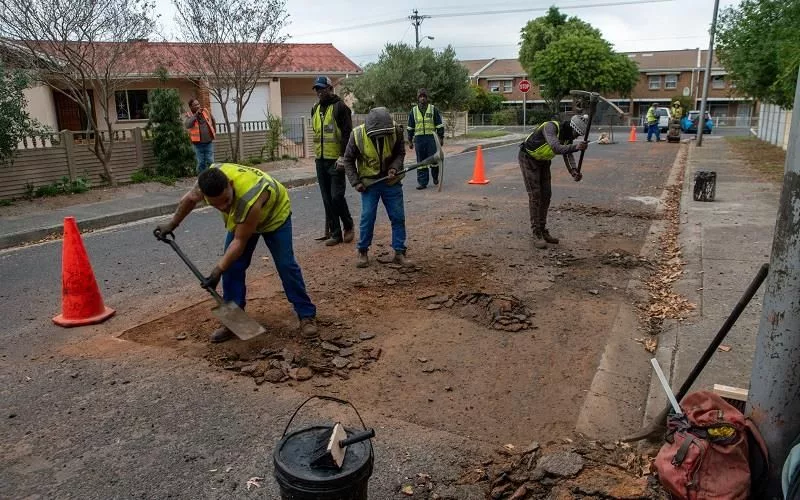
Women at Work: This Urban Mobility program aims to empower women in the male-dominated domain of road repair teams through extensive training and Change Management Support.
City’s Commitment Towards Skill Development
Alderman Grant Twigg, Mayoral Committee Member for Urban Waste Management, assures the city’s commitment to skills training as a critical aspect of EPWP implementation. The city aims to maximize the benefits to residents by persistently developing skills and providing practical work experience.
As the EPWP progresses, residents of Cape Town are urged to update their details in the City’s Jobseekers’ Database for potential placement in current and future EPWP projects. For further information or assistance, they can reach out to the EPWP HelpDesk or send an email.
In its ongoing journey towards inclusive economic development, Cape Town’s dedication to skills development and job creation through the EPWP signals a significant advancement. With city-wide projects aimed at transferring skills and providing practical work experience, Cape Town continues to lead the way in enhancing the skills of unemployed residents and fostering a more inclusive economy.
1. What is EPWP and how has it evolved in Cape Town?
The Expanded Public Works Programme (EPWP) is a program that generates employment opportunities and fosters skills development in Cape Town. The program has evolved from generating job opportunities to serving as a platform for skills development, enabling recruitment into a variety of fields, such as Law Enforcement and Invasive Species Control, among others.
2. How does Cape Town invest in EPWP skill development projects?
The city of Cape Town has invested over R460 million in multi-year skills development projects, providing practical work experience and training for unemployed residents and fostering a more inclusive economy.
3. What are some key EPWP skills development projects in Cape Town?
Notable EPWP skills development projects in Cape Town include The Kader Asmal Skills Development Programme, Law Enforcement Auxiliary Expansion Programme, Solid Waste Management Auxiliary Law Enforcement (ALEO) Project, Entrepreneurship Trainee Project, EPWP Transversal Support Project, and Women at Work.
4. What is the aim of the Law Enforcement Auxiliary Expansion Programme?
The Law Enforcement Auxiliary Expansion Programme aims to strengthen by-law enforcement and crime prevention across the city by having auxiliary law enforcers patrol, observe, and report incidents of antisocial behavior.
5. What is the Entrepreneurship Trainee Project?
The Entrepreneurship Trainee Project is a scheme that trains participants from growth sectors on crucial interventions to boost entrepreneurial activities. The project also enhances participants’ entrepreneurial skills and generates employment opportunities by focusing on participants from vulnerable communities.
6. How can residents participate in EPWP projects in Cape Town?
Residents of Cape Town can update their details in the City’s Jobseekers’ Database for potential placement in current and future EPWP projects. For further information or assistance, they can reach out to the EPWP HelpDesk or send an email.