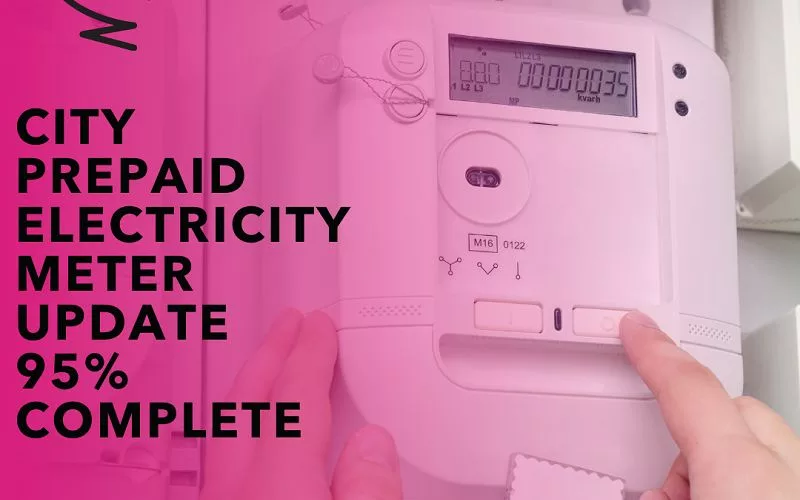
Cape Town has almost completed its massive infrastructure project of upgrading over 630,800 prepaid electricity meters throughout the city before the national deadline of December 2024. The city implemented a phased approach and established support channels for elderly or disabled residents who require assistance. The upgrade process is simple for most customers, with two 20-digit update codes provided at purchase, and the city has reassurances and plans in place to ensure comprehensive coverage. Cape Town’s dedication to efficient service delivery is exemplary and has garnered gratitude from its residents.
What is Cape Town’s infrastructure upgrade and how did they accomplish it?
Cape Town’s infrastructure upgrade project involved modernizing over 630,800 prepaid electricity meters throughout the city to ensure compliance with national standards and prevent power outages. The city implemented a phased approach to upgrade the meters, taking into account the needs of elderly or disabled residents. The upgrade process is simple for most customers, and the city established support channels for those who require assistance. The project has a 95% completion rate, well ahead of the national deadline of December 2024.
Modernizing Electricity Meters
Deep in the heart of the vibrant city of Cape Town, a significant infrastructure project is in its final stages. The city’s vast project to upgrade its prepaid electricity meters is almost complete, with a whopping 95% completion rate. This feat, surpassing the national deadline of December 2024, is a testament to Cape Town’s commitment to efficient service delivery, placing it far ahead of other South African municipalities.
Cape Town’s effort on this front was tremendous. The task required modernizing approximately 630,800 meters scattered throughout varied neighbourhoods. The city’s teams, who have displayed remarkable determination and skill, remain ready to assist the few remaining customers who need to upgrade their meters.
The motive behind this massive initiative stemmed from the upcoming expiration of the existing prepaid electricity metering software at the end of 2024. The upgrade was needed for all prepaid meters throughout South Africa. Without this crucial update, customers would be unable to recharge their meters with new tokens, leaving them without a power supply.
An Efficient Upgrade Process
To tackle this mammoth task, the city implemented a phased approach, methodically upgrading meters throughout the metro area to ensure widespread coverage before the deadline. The plan also took into account those who may struggle to upgrade their meters, such as the elderly or people with disabilities. These customers can easily trigger assistance from the city’s teams by calling the city’s contact centre.
The upgrade process is quite straightforward for most customers. When purchasing, they receive two 20-digit update codes in addition to their regular prepaid token. They then follow simple steps to enter these codes into their meter. First, they input the first 20-digit code and wait for it to be accepted before repeating the process with the second code. They then input the usual 20-digit token to recharge their units as usual. This method has proved to be slick and efficient, with the majority of customers indicating a preference for updating their own meters.
However, the city has established multiple support channels for those who require assistance. These include an SMS service to 31220, an email service at power@capetown.gov.za, and a call centre that can be reached at 0860 103 089. City teams are eager and prepared to aid households with the upgrades.
Comprehensive Planning and Reassurances
The city’s detailed planning took into account various scenarios. For example, if a customer accidentally throws away their slip containing the update codes, the city can provide the codes again. Residents can also verify the identity of anyone claiming to be from the city for assistance with the update with just a quick phone call.
The city has reassurances in place for those living in areas yet to be visited. Plans are in place to revisit any areas with outstanding upgrades, ensuring no meter is left out. Moreover, for those under the ongoing meter replacement programme, the new meters will be software compliant. If an older meter is installed, it will be updated promptly.
A common question from customers is the validity of old tokens after the upgrade. The city advises that all old tokens should be used before the update, as they will not function afterwards. However, they can be confident that the update will not impact their electricity units or cause the meter to use more electricity. In the event of any technical issues, the city’s call centre is always ready to help.
An Exemplary Model of Public Service
In conclusion, Cape Town’s prepaid electricity meter upgrade project epitomizes the city’s dedication to delivering efficient, effective services to its residents. As the city edges closer to the 100% completion mark, it serves as a symbol of progress in South Africa’s nationwide electricity meter update initiative. The city’s efforts are commendable and have rightly garnered the gratitude of its residents for seamlessly managing this colossal task.
What is the purpose of Cape Town’s infrastructure upgrade project?
The purpose of Cape Town’s infrastructure upgrade project is to modernize over 630,800 prepaid electricity meters throughout the city to ensure compliance with national standards and prevent power outages. The upgrade is needed for all prepaid meters throughout South Africa to ensure customers can recharge their meters with new tokens, leaving them without a power supply.
What is the completion rate of the project and how did the city achieve it?
The project has a 95% completion rate, well ahead of the national deadline of December 2024. The city implemented a phased approach to upgrade the meters, taking into account the needs of elderly or disabled residents. The upgrade process is simple for most customers, and the city established support channels for those who require assistance.
How does the upgrade process work for customers?
When purchasing, customers receive two 20-digit update codes in addition to their regular prepaid token. They then follow simple steps to enter these codes into their meter. First, they input the first 20-digit code and wait for it to be accepted before repeating the process with the second code. They then input the usual 20-digit token to recharge their units as usual. If customers require assistance, the city has established multiple support channels.
What are the reassurances and plans in place for the upgrade project?
The city has reassurances in place for those living in areas yet to be visited. Plans are in place to revisit any areas with outstanding upgrades, ensuring no meter is left out. Moreover, for those under the ongoing meter replacement programme, the new meters will be software compliant. If an older meter is installed, it will be updated promptly. In the event of any technical issues, the city’s call centre is always ready to help.
What should customers do with old tokens after the upgrade?
The city advises that all old tokens should be used before the update, as they will not function afterward. However, customers can be confident that the update will not impact their electricity units or cause the meter to use more electricity.
What does Cape Town’s infrastructure upgrade project demonstrate about public service delivery?
Cape Town’s prepaid electricity meter upgrade project epitomizes the city’s dedication to delivering efficient, effective services to its residents. The city’s efforts are commendable and have rightly garnered the gratitude of its residents for seamlessly managing this colossal task. It serves as a symbol of progress in South Africa’s nationwide electricity meter update initiative.