
ANC councillor Lazola Gungxe shot dead in alleged targeted attack
Councillor Lazola Gungxe was assassinated on the steps of Old Crossroads Community Hall. His murder highlights the dangers faced by local officials.
Councillor Lazola Gungxe was shot and killed in just 17 seconds, a shocking event in Cape Town's dangerous streets. He was targeted because he was fighting against corruption and crime in his area. He questioned shady deals about roads, illegal electricity, and even how taxi routes were run, which made powerful criminals very angry. His brave actions to help his community ultimately cost him his life, leaving behind a neighborhood gripped by fear and a city wondering who will be next.
What led to the assassination of Councillor Lazola Gungxe?
Councillor Lazola Gungxe was assassinated due to his investigations into corruption and protection rackets within his ward. He questioned the rerouting of a highway off-ramp, challenged illegal electricity connections, and impacted lucrative taxi routes and night-time drug markets, which threatened various criminal syndicates and financially motivated individuals.
Get Cape Town news in your inbox
Stay updated with the latest stories from the Mother City.
Section 1 – The Last Handshake
Councillor Lazola Gungxe was still laughing at a joke about prepaid electricity tariffs when the rear gate of Old Crossroads Community Hall creaked open. It was 19:32 on Tuesday, 3 February - well past the advertised closing time of the weekly ward forum - yet two dozen residents lingered on the chipped concrete steps, determined to squeeze one more promise out of the man they still called “Lolo.” A broken street-lamp opposite the hall blinked like a dying fluorescent, throwing just enough light to reveal a white Toyota Avanza parked sideways, no plates, windscreen wipers hacked off, rear glass painted matte-black. Nobody linked the vehicle to the stream of complaints that had dominated the evening: the midnight Avanzas that glide down Gwayi Street with headlights deliberately switched off, ferrying tik and 9 mm ammunition in equal measure.
The shorter of the two visitors wore a neon City of Cape Town road-worker vest - hi-vis camouflage in a suburb where half the men own identical bibs from short-lived Expanded Public Works Programme gigs. Witnesses disagree on whether the gunman nodded politely before drawing, or simply raised the pistol without warning. What no one disputes is the sequence of the next seventeen seconds: the first round entered Gungxe’s left cheek while he was still mid-sentence, promising to “escalate” a portable-toilet petition to the mayoral committee; the second ricocheted off the roller-shutter behind him, momentarily illuminating the spray-painted slogan “ANC lives here”; the third drilled the stack of plastic chairs labelled “Subcouncil 13,” toppling them like dominoes onto the councillor’s crumpled frame. The killers walked - no sprint, no panic - back to the Avanza, vanished across the old railway reserve where commuter trains last ran in 2019, and melted into the Cape Flats darkness.
Nine minutes later Nyanga police vans screeched in, blue lights reflecting off tin shacks and satellite dishes. In any other precinct the response would have earned applause; in South Africa’s murder capital it was derided as sluggish. Officers cordoned off the steps, chalked a semi-circle of nine 9 mm casings, and radioed the bland descriptor that would later trend on Twitter: “PR councillor, multiple GSW, no robbery迹象.” Detectives noted the shooter’s disciplined half-circle pattern - an arrangement familiar from army range drills - and marked the case “priority” without promising the one thing residents actually wanted: an arrest before the funeral.
Section 2 – A Seat Purchased with Blood
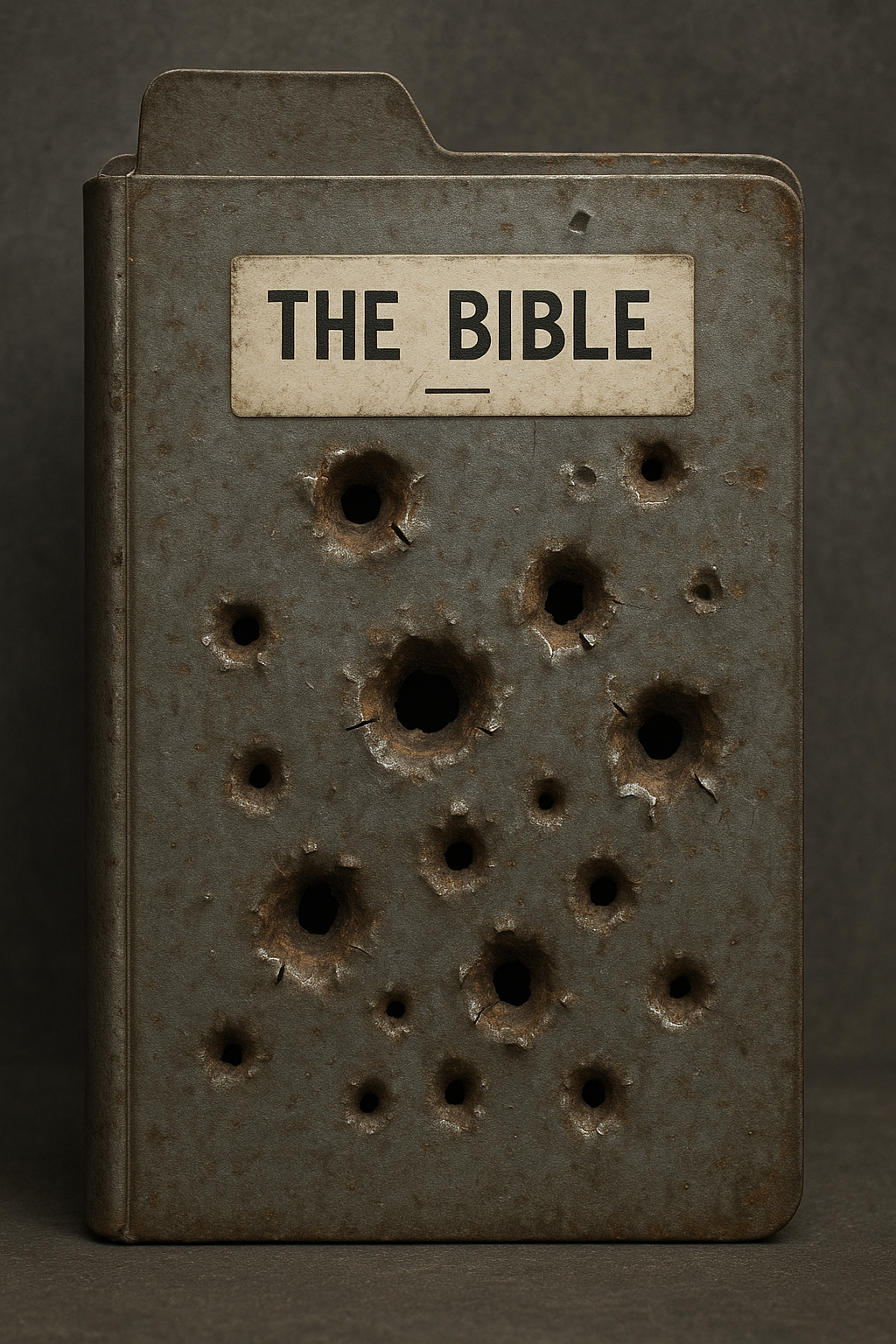
Lazola Gungxe never planned to be a politician. In 2016 he was a soft-spoken Philippi East store supervisor, placed 30th on the ANC’s proportional-representation list, a ranking that historically guaranteed nothing more than free T-shirts and long meetings. Then the arithmetic of assassination intervened: three colleagues higher up the list died - two in ambushes, one in a single-vehicle crash so suspicious the insurance report reads like a crime novel - and suddenly the man who still commuted by minibus taxi was handed a council badge and a R1.2 million annual package. He refused the city-issued laptop for four years (“Give it to a school that has no computers”), kept his constituency stipend in a brown envelope marked “petrol & pads,” and stored every service-delivery complaint in a grey folder fat enough to snap rubber bands - locals called the file “the Bible.”
Gungxe’s portfolio, Urban Mobility, sounded technocratic until you studied a map: every new road, traffic circle or MyCiTi bus lane in Cape Town either unlocks land value or obliterates somebody’s shack. Over the past eighteen months he had publicly questioned the rerouting of the N2 Gateway off-ramp through patches of sand controlled by a splinter group known as the “Gupta Boys” - not Saxonwold billionaires, but a break-away from the Americans gang who now tax construction trucks R500 a pop on the Philippi Horticultural Area. Two weeks before his death he told the council chamber that “people in high-vis vests” were demanding R30 per shack from families clinging to the proposed M10 reserve; the speech earned him a WhatsApp voice note - played for journalists after the funeral - that ended with the line “pull back or be pushed back,” followed by three gun-emoji.
Tuesday’s agenda looked harmless on paper: progress report on 200 promised high-mast lights, draft by-law slapping R1 500 fines on illegal electricity connections, update on the long-delayed integration of the Crossroads taxi rank into the BRT network. Dig an inch deeper and every item swims in blood-money. The high-mast lights will kill off night-time drug markets that bankroll the Dixie Boys; the electricity by-law threatens “amajelis” (informal syndicates selling R50 coupons) who double as campaign financiers; the taxi-rank upgrade decides which association controls the lucrative route to Century City mall. Gungxe’s crime was to treat these as policy disputes rather than protection rackets.
Section 3 – The White Hearses of the Cape Flats
The Toyota Avanza has become such a reliable angel of death that Khayelitsha activists simply call it “the hearse.” Forensic crews list the reasons on a PowerPoint slide: rear sliding door lets a gunner exit and re-board in under four seconds; 1.5-litre engine outruns a police Nyala on the kilometre straights of the Flats; parts are interchangeable with a thousand identical wrecks in township scrap-yards. Since 2021, 62 confirmed assassination hits have involved Avanzas; 38 remain unsolved. Provincial traffic records show 4,700 of the people-carriers hijacked or stolen in the same window - many re-registered with cloned discs in Transkei border towns before returning to the Mother City as disposable murder taxis.
Old Crossroads itself sits on a chessboard of 14 un-surveyed informal settlements, four taxi ranks and at least six active gang fiefs. Every erf is contestable, every water pipe a potential extortion node. Gungxe is the third ANC councillor murdered here since 2018. Xolile Gophe was cut down by 18 bullets outside a spaza shop; the docket vanished twice and the case was struck off the roll. Bongani Mbinqo died in a drive-by hours after tabling a report on a R28 million toilet-vacuuming scam. Their framed portraits still hang in the hall foyer, plastic flowers fading under fluorescent light - an informal warning that public service can carry a death sentence.
Within minutes of Tuesday’s shots, #CrossroadsCouncilOfDeath trended nationwide. A Facebook live-stream showed a woman in an ANC T-shirt keening “They are finishing us, one by one” while children filtered comments with candle emojis. By sunrise, GOOD party secretary-general Brett Herron demanded that Police Minister Senzo Mchunu invoke Section 205(3) of the Constitution and fly in a national task team, arguing that 18 councillors have been assassinated since 2016, the majority in KwaZulu-Natal and the Western Cape. Treasury previously rejected Herron’s R380 million councillor-protection plan - panic-button apps, bullet-proof vests, 24-hour liaison officers - as “unfunded”; Herron now calls that figure “cigarette money compared to the R2.3 billion lost to service-delivery chaos after every hit.”
Section 4 – Files, Rumours and the Next Bullet
Detectives have two trails to follow. The visible one is a 72-hour “activation plan” promised by National Commissioner General Fannie Masemla: 42 witness statements, three spaza-shop CCTV clips, tyre casts lifted from the brownfield. The invisible one winds through the missing “Bible” - Gungxe’s grey folder that lay in the boot of his Toyota Tazz until somebody smashed the passenger window and vanished with it. Hawks spokesperson Brigadier Noloyiso Rwexana will only say “document theft forms part of the inquiry,” a euphemism that convinces nobody. Without the ledger - every pothole invoice annotated “verified,” “suspicious,” “follow up” - prosecutors lack a road-map of who lost money when the councillor asked uncomfortable questions.
Across the Cape Flats, fear has already rewired political life. Four ANC branch meetings were cancelled after volunteers refused to gather without armed escorts. A WhatsApp advisory circulated among PR councillors: vary your routes, avoid night meetings, park under working streetlights - precautions normally reserved for state witnesses testifying against gang generals. One councillor quietly moved his family to Stellenbosch “until the smoke clears,” a phrase that captures both the gunsmoke still drifting over Gwayi Street and the metaphysical haze hiding motive, money and ultimate paymaster.
The deeper stakes are monetary. Subcouncil 13 controls R1.7 billion in capital projects over the next three years - road widenings, storm-water canals, the elusive MyCiTi integration. A leaked 2022 forensic audit flagged R43 million in “unsupported” payments to contractors all registered at a single Phase-2 address; the file went to the Hawks, no arrests followed. Professor Guy Lamb, safety researcher at UCT, notes that 64 % of Western Cape councillor assassinations happen within six months of the victim exposing procurement fraud. “We are watching the privatisation of coercion,” Lamb says. “Control a ward committee seat and you control who pours concrete, who moves a taxi rank, who gets the advertising rights on a bus shelter - each worth millions.”
Until somebody breaks the economic logic, the rituals of mourning repeat. Every evening at 19:30 - seventeen seconds past the moment the first bullet hit - residents trip the street-light breaker, plunging Gwayi Street into darkness to relive the ambush. Children with water-pistols re-enact the killing, then argue whether the shooters were “real gangsters or just police in disguise.” A local prophet has vowed to keep the community hall lights burning “until the white Avanza is found,” an open-ended vigil that turns the building into a lighthouse for conspiracy theorists, the grief-stricken and the simply insomniac. Somewhere on the Flats, the next Avanza is already being welded, re-sprayed and fitted with cloned plates. Somewhere, another grey folder thick enough to snap rubber bands is being assembled by a councillor who still believes potholes and streetlights are small but decisive victories in the war for a liveable city. And somewhere, a price is being quoted for the bullet that will ensure that folder never reaches the Public Protector’s desk.
What led to the assassination of Councillor Lazola Gungxe?
Councillor Lazola Gungxe was assassinated due to his investigations into corruption and protection rackets within his ward. He questioned the rerouting of a highway off-ramp, challenged illegal electricity connections, and impacted lucrative taxi routes and night-time drug markets, which threatened various criminal syndicates and financially motivated individuals.
Who was Lazola Gungxe?
Lazola Gungxe was a soft-spoken store supervisor who unexpectedly became a proportional-representation councillor for the ANC. He was known for his dedication to his community, refusing city-issued perks and meticulously documenting service delivery complaints in a folder locals called “the Bible.”
What was the manner of his assassination?
Councillor Gungxe was shot and killed in just 17 seconds by two assailants at the Old Crossroads Community Hall. The killers arrived in a white Toyota Avanza, which had no plates and modified features, and vanished after the shooting. The incident occurred after a weekly ward forum meeting, and the shooters were described as calm and disciplined.
What significant issues was Gungxe investigating that might have led to his death?
Gungxe was actively investigating several high-stakes issues, including the rerouting of the N2 Gateway off-ramp through areas controlled by the "Gupta Boys" gang, illegal electricity connections run by "amajelis" syndicates, and the integration of the Crossroads taxi rank into the BRT network, which would affect lucrative taxi routes.
What is the significance of the Toyota Avanza in these crimes?
The Toyota Avanza has become a notorious vehicle in Cape Town for assassinations, commonly referred to as “the hearse” by activists. Its design, including a sliding rear door and a powerful engine, makes it ideal for quick getaways. Many are hijacked, re-registered, and used as disposable murder vehicles, playing a role in a significant number of unsolved assassination hits.
What are the broader implications of Councillor Gungxe's assassination?
Gungxe's murder highlights the severe risks faced by public servants fighting corruption in South Africa, particularly in the Western Cape where councillor assassinations are alarmingly common. It underscores the deep-seated issue of criminal syndicates controlling large-scale capital projects and service delivery, effectively privatizing coercion and leaving communities in fear. The disappearance of his

Emma Botha is a Cape Town-based journalist who chronicles the city’s shifting social-justice landscape for the Mail & Guardian, tracing stories from Parliament floor to Khayelitsha kitchen tables. Born and raised on the slopes of Devil’s Peak, she still hikes Lion’s Head before deadline days to remind herself why the mountain and the Mother City will always be her compass.
View all articles →