
Cape Town libraries quietly thrive in 2025
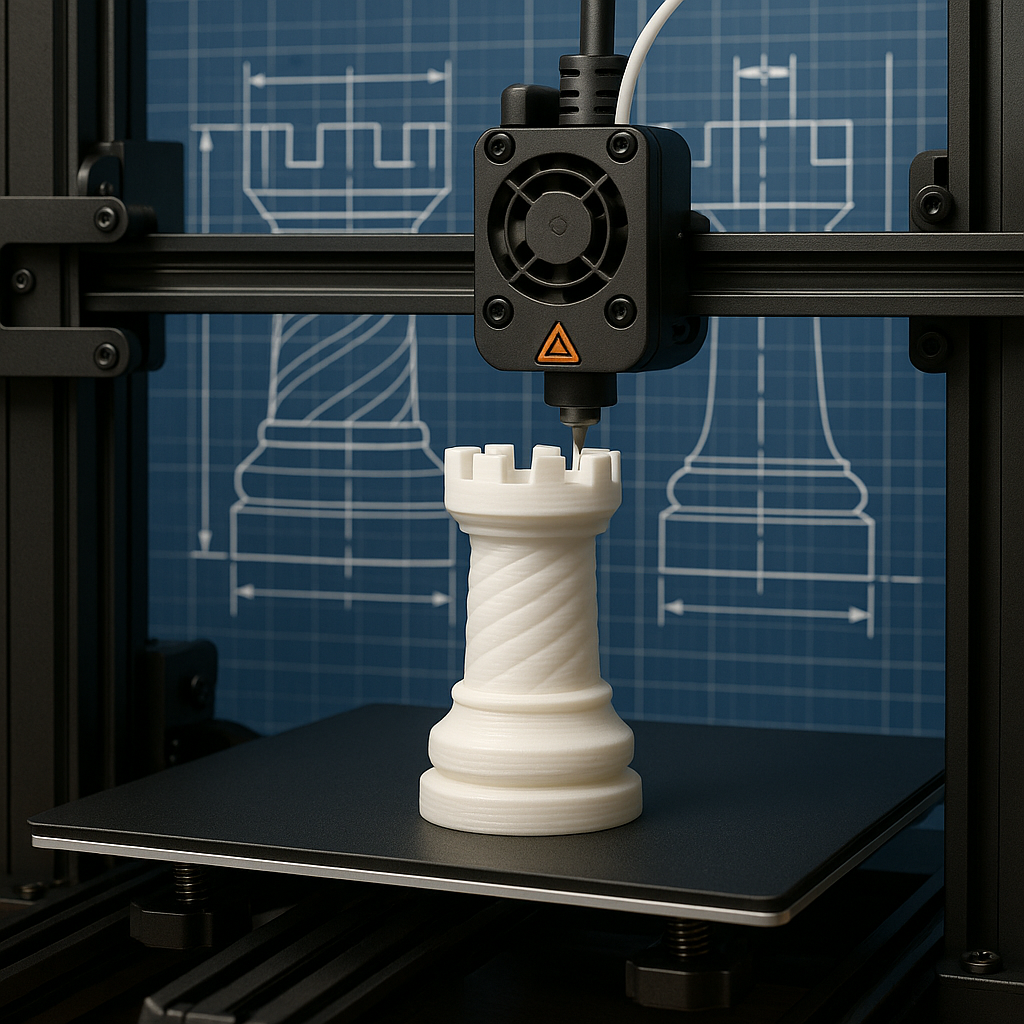
Cape Town's libraries transform into vibrant community hubs, offering 3D printing, job support, and digital access, boosting literacy and opportunities.
Cape Town's 2026 library is a vibrant wonderland, not a quiet book tomb! Imagine walking in and smelling coffee, seeing 3D printers whirring, and friendly 'Digital Navigators' ready to help with anything. This super cool place isn't just for reading; it's a hub where you can learn new tech skills, start a business, or even play eSports. They've turned old book stacks into lively spaces for making and moving, making sure everyone, from students to entrepreneurs, finds what they need to thrive. It's a loud, energetic explosion of learning and opportunity, transforming lives and building futures!
What makes Cape Town's 2026 library model innovative?
Cape Town's 2026 library transforms into a dynamic community hub offering 3D printing, coffee kiosks, tech support, and flexible "maker-and-mover" zones. It prioritizes digital literacy, entrepreneurship, and education, leveraging data to tailor services and engaging users from diverse backgrounds, making it a multifaceted resource beyond traditional book lending.
Get Cape Town news in your inbox
Stay updated with the latest stories from the Mother City.
1. The First Sip: Coffee, Code and Conversation
Step off the noisy taxi rank and the concrete rectangle looks ordinary - glass, shade-cloth, steel. Push the door at 09:30 and you are hit by espresso, not silence. A veteran-run kiosk - graduates of the “Bean There, Doing Good” course - pulls shots while a bank of 3-D printers knocks out neon chess rooks for tomorrow’s school championship. Retired machinist “Oom” André leans over two teens, tuning nozzle temperatures while the slicer software beams from a 55-inch screen.
Conversations stay at cappuccino volume; shushing is banned. Neon-green-lanyard “Digital Navigators” weave through with tablets, pencilling who needs a CV upload, who wants the vinyl cutter at 14:00, who just wandered in to ask why the Wi-Fi is faster than at home. The reference desk has vanished - replaced by a sign that reads “Ask Here for Whatever You Need to Make or Move.”
In one hour you can collect a plastic pawn, a flat-white, a Linkedin-ready head-shot and a bar-coded receipt for 50 MB of uncapped data. No card? Staff enrol you on the spot; the City wants your footprint, not your money.
2. From Stacks to Hacks: How Floor-Space Became Rocket-Fuel
Ten years ago the same building stored 30 000 books and averaged 17 visitors a day. Then civic-tech volunteers layered a crime-heat-map over library-use data and noticed overlapping cold spots during school holidays. They convinced a cash-strapped council to divert storm-water money into “maker-and-mover” zones - fold-away rooms that morph from robotics pits to dance studios in 15 minutes. The measure scraped through by one vote; 18 % of every branch floor is now Lego-style real estate on wheels.
The gamble paid in numbers. July 2025 scrapped overdue fines after pilot e-mails recovered 93 % of books without threats. Langa’s business-plan shelf shrank its loan window to seven days because titles were “hoarded like gold.” In six months 24 047 newcomers pushed total membership past 250 000; the fastest segment is 25- to 35-year-olds citing “start-up scouting” as motive.
Retrofits run on ruthless metrics: each mouse-click, book return or workshop seat is sucked into Koha, the open-source brain that now holds 60 million Cape Town data points. Python scripts flag lapsed users; librarians respond with “guerrilla story-time” at clinic queues and funerals, winning back 11 000 card-holders last quarter - many thirty-something men originally lured by free Wi-Fi but hooked by side-hustle manuals.
3. Night-Mode Nation: Matric Cram, eSport Glory and the 14 % Bump
When the gates close at 18:00, most branches reboot. Volunteers badge in, public Wi-Fi throttles to protect bandwidth, and Grade 11-12 learners reclaim the halls. They come from candle-lit shacks where a toppled lantern can raze a family’s home; here LED panels, DSTV-funded guards and Douwe-Egberts coffee keep them until 23:00. Pick n Pay fruit counters the caffeine crash. Stellenbosch University tracked the cohort and found a 14 % rise in bachelor-pass rates against matched peers.
Gaming is not the enemy but the bait. MindSports SA ladders FIFA and Tekken every Friday; winners pocket data bundles and provincial trial slots. Skeptics cry distraction, yet stats reveal gamers are 40 % more likely to return for homework help - pleasure first, polynomials second.
Bandwidth economics make it possible. The City bulk-buys off-peak fibre from two under-sea consortia, pre-loading Steam updates and Ubuntu ISOs before doors open. Queues at 08:00 rarely wait longer than three minutes for a PC, a formula that outperforms Johannesburg and eThekwini combined with only 1 900 machines.
4. Green, Keen and Seen: Solar Roofs, Book-Bikes and Politicians in the Making
Every refurbished roof carries a 3 kW solar blanket; surplus power feeds the grid and earns e-book credits. Grey-water from hand basins flushes toilets; kids compete to design the cheekiest “Don’t Waste My Drop” posters. An electric cargo “book-bike” fleet ferries holds between branches, trimming 1 200 van trips and 18 Jo’burg-return flights worth of carbon.
Governance itself has gone open-source. Since 2024 each branch hosts a participatory-budget crew of card-holders over 14; they control roughly R120 k a year, half reserved for youth ideas. Outcomes: a podcast studio in Mitchells Plain, a seed-sharing cupboard in Philippi, a chess-clock lending pool in the CBD. Two 19-year-old alumni now run for ward councillor in 2026, campaigning on 24-hour library access.
Global accolades chase the buzz - Gates Foundation shortlist, IFLA 2027 mid-term slated for Cape Town with township night-shifts on the tour menu. Yet the loudest applause echoes inside: grandmothers downloading sanitary-pad patterns, ex-prisoners swapping Creative-Common “Ubuntu for Entrepreneurs” discs for ramen, security guards re-branded as “Doorway Engineers” who no longer keep people out but usher possibilities in.
[{"question": "
What is the core concept behind Cape Town's 2026 library model?
", "answer": "Cape Town's 2026 library reimagines the traditional library as a dynamic, multi-functional community hub. It's designed to be a vibrant space for learning, innovation, and social connection, moving far beyond just book lending. It integrates technology, entrepreneurial support, and educational resources to serve a diverse community, focusing on digital literacy, skill development, and creating opportunities for its users.
"}, {"question": "What kind of services and facilities can I expect at the new Cape Town libraries?
", "answer": "You can expect a wide array of services and facilities, including coffee kiosks (run by veteran entrepreneurs), 3D printers, vinyl cutters, and other \"maker-and-mover\" equipment. There are also dedicated spaces for eSports, robotics pits, dance studios, and areas for students to study late into the night. \"Digital Navigators\" are available to assist with everything from CV uploads to tech-related queries, and the libraries offer free, fast Wi-Fi and access to various digital resources.
"}, {"question": "How has the library transformed its physical space?
", "answer": "The libraries have converted traditional book stacks into flexible, modular \"maker-and-mover\" zones. These spaces are designed to be reconfigured quickly, transforming from robotics pits to dance studios in minutes. Approximately 18% of each branch's floor space is now \"Lego-style real estate on wheels,\" optimizing the building for diverse activities and community needs.
"}, {"question": "How does the library support education and youth development?
", "answer": "The library prioritizes education, especially for Grade 11-12 learners, offering safe and well-lit spaces for studying until late hours, complete with amenities like coffee and fruit. It also uses eSports (FIFA and Tekken tournaments) as an engagement tool, finding that gamers are significantly more likely to return for homework help. Partnerships with universities, like Stellenbosch, have shown a 14% rise in bachelor-pass rates for students utilizing these resources.
"}, {"question": "What role does technology and data play in the library's operations?
H3>", "answer": "Technology and data are central to the library's operations. They use open-source systems like Koha to track user engagement and tailor services, collecting 60 million data points. Python scripts identify lapsed users, allowing librarians to re-engage them through initiatives like \"guerrilla story-time.\" The libraries also leverage bulk-purchased, off-peak fiber to provide fast internet and pre-load large software updates, ensuring efficient access to digital resources.
"}, {"question": "How is the library environmentally conscious and community-governed?
", "answer": "Environmentally, the libraries incorporate 3 kW solar blankets on roofs, generating surplus power that earns e-book credits. Grey-water systems flush toilets, and an electric cargo \"book-bike\" fleet reduces carbon emissions. For governance, each branch hosts participatory-budgeting crews of card-holders who control a significant budget to fund community ideas, such as podcast studios, seed-sharing cupboards, and chess-clock lending pools, fostering local engagement and self-determination.
"}]
Lerato Mokena is a Cape Town-based journalist who covers the city’s vibrant arts and culture scene with a focus on emerging voices from Khayelitsha to the Bo-Kaap. Born and raised at the foot of Table Mountain, she brings an insider’s eye to how creativity shapes—and is shaped by—South Africa’s complex social landscape. When she’s not chasing stories, Lerato can be found surfing Muizenberg’s gentle waves or debating politics over rooibos in her grandmother’s Gugulethu kitchen.
View all articles →