
Drunk driving arrests soar to alarming levels in Cape Town
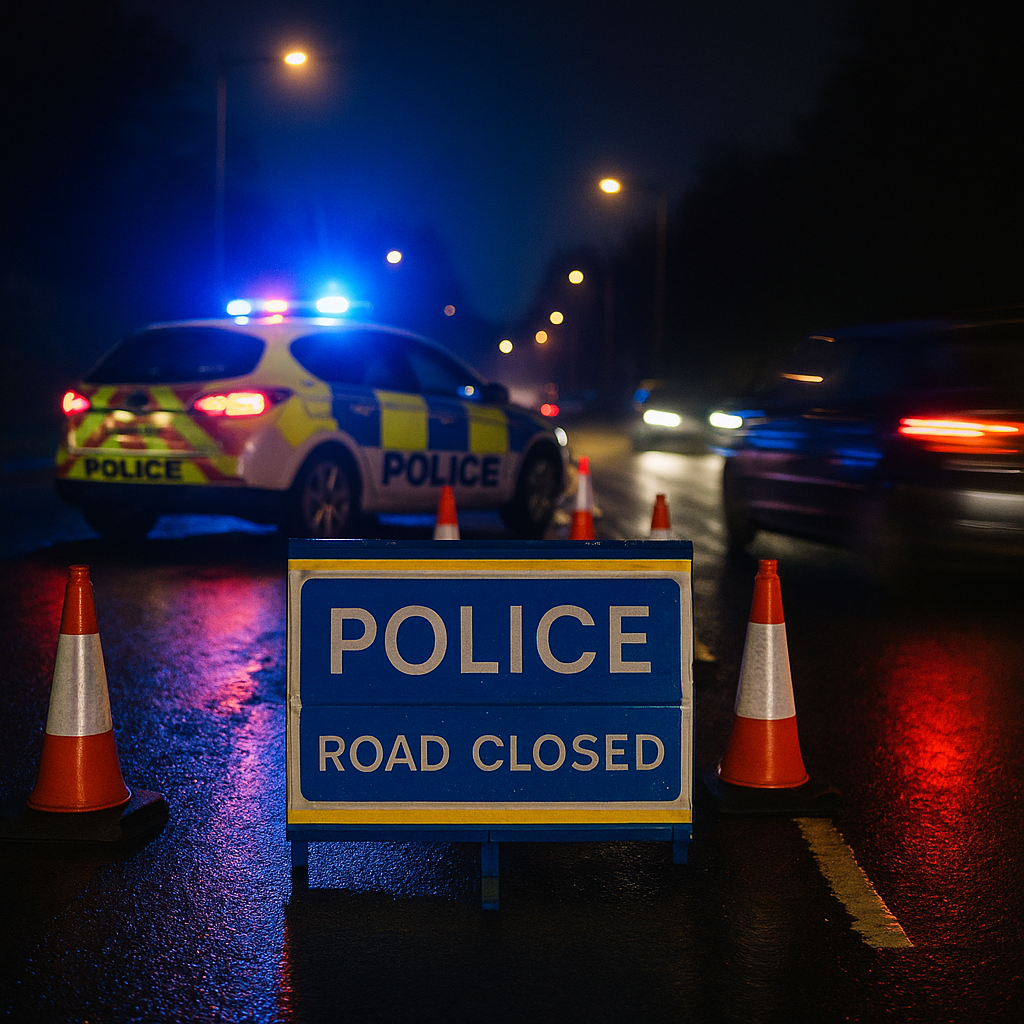
Cape Town's intense week: 338 arrests, 108 drunk drivers, and 64,987 fines reveal a city grappling with impaired driving and its wider impacts.
{"summary": "Cape Town recently cracked down hard on traffic violations, leading to 108 drunk driving arrests and 64,987 tickets issued in just one week. Police set up roadblocks and even mobile tents to collect fines on the spot. This big effort shows how serious the city is about stopping drunk driving, which causes many accidents and costs a lot of money. They used new tech and aimed to make people pay fines right away, hoping to make the roads safer for everyone."}
What were the results of Cape Town's recent traffic crackdown?
Cape Town's recent blitz resulted in 108 drunk driving arrests, 64,987 traffic tickets issued, and 338 arrests overall. The operation focused on major arteries, using roadblocks and mobile adjudication tents to increase efficiency and on-the-spot fine payments. The crackdown highlighted the ongoing challenges with drunk driving and its impact on public health and city resources.
Get Cape Town news in your inbox
Stay updated with the latest stories from the Mother City.
Midnight Maths on the Tarmac
This week Cape Town’s asphalt spoke in numbers most people would rather not hear. Officers clipped 338 pairs of wrists, slipped 64 987 rectangles of white paper beneath wipers, and answered 1 820 crackling pleas on the emergency network. The detail that jolted even seasoned cops: 108 separate times, someone slid into the driver’s seat while alcohol had already scrambled the words “don’t do this” in their brain. Behind each of those 108 decisions sits a single, whispered thought - turn the key, no one will know - multiplied until it becomes civic noise. Stretch the lens further: 1.1 million registered cars share these roads, each one a coin-flip away from catastrophe every time a drunk brain overrides common sense.
Officers call it “the arithmetic of luck.” One twitch of a steering wheel at the wrong millisecond tips the equation toward hospital gurneys, court dockets, and insurance adjusters. The week’s ledger shows the city is tired of waiting for that luck to hold.
Roadblocks in the Crosshairs
The crackdown mapped itself along three arteries where weekend euphoria usually spills onto tar. The N2 toward the airport, the M5 seam that knits the Atlantic rim to the Cape Flats, and the outbound curl of the R300 funnelling wine-route wanderers home all glowed with flashing blue. From dusk to dawn patrol cars parked nose-to-nose, orange cones squeezing traffic into a single lane, a pop-up alcotest tent lit like a field clinic against the dark.
Blow above the 0.05 % line and you were waved to a second island where a Table View nurse could coax blood from your arm within fifteen minutes - quick enough to survive constitutional challenge, deliberate enough for dread to puddle in your stomach. At a Brackenfell stop a 26-year-old courier insisted he was “perfectly fine” despite a 0.19 % reading - almost fourfold the legal mark. The phenomenon has a label in forensic journals: alcohol myopia. The drug edits reality down to a narrow tunnel where only the next ten metres of road appear in focus.
Drivers weren’t merely tipsy on beer and wine. Thirteen of the 108 arrests revealed poly-drug cocktails - most often alcohol laced with tik or over-the-counter codeine syrup that rural pharmacies still sell without a script. Metro Police now carry a three-minute saliva swab able to flag muted impairment: the driver who blows a legal 0.04 % yet drifts between lanes because cough syrup has shaved 200 milliseconds off reaction time, the exact margin between a scare and a side-impact crunch.
Fines, Fees, and the Fiscal Squeeze
The 64 987 fines issued in seven days smashed last year’s weekly average by 38 %. Some activists see greed, others see a city bleeding R14 billion in overdue infrastructure repairs. To close the gap officials rolled out “mobile adjudication tents” beside the roadblocks. A clerk prints the violation, a senior officer knocks 30 % off for instant payment, and a SnapScan device inhales the money before you drive away - or before the tow-truck does.
Detractors label the practice cash-point justice. Treasury counters that on-the-spot collection pushes payment rates from 42 % to 79 %. A Stellenbosch University study muddies the victory: motorists who paid in full at the scene were marginally more likely to re-offend within a year, perhaps because the sting faded with no credit-record scar.
Next to the road, ride-hailing apps felt the tremor. Trips starting within five hundred metres of roadblocks leapt 27 % as sober commuters pivoted to Uber or Bolt. Talks of subsidising those rides faltered at the R4 million monthly bill; instead a craft brewery now funds R80 “Get Home Safe” vouchers for patrons who hand over keys before the first sip. Redemption remains sluggish - no one wants to queue when the perceived risk of arrest still feels smaller than the wait.
Collateral Damage: Homes, Hospitals, Hashtags
The ripple washed into living rooms. Hanover Park’s birthday braai ended with a cast-iron potjie swinging into flesh after a woman tried to hide car keys from a partner who had already had too many. Two toddlers, greasy with marinade and tears, were taken to a neighbour while officers drew blood from the man still standing in his driveway - South African law nails you for “intent to drive” even if the engine stays cold.
Groote Schuur’s trauma unit admitted 38 alcohol-tied injuries each night of the weekend, up from 22 on an average Saturday. A 19-year-old Observatory student’s femur lay snapped like a bread-stick on the X-ray table; the metal plate needed to reassemble it costs R31 000, absorbed by the provincial health kitty because the patient is uninsured. Nationwide, alcohol-linked trauma consumes eleven cents of every health rand - an invisible tax even teetotallers pay.
Virtual-reality goggles are now teaching teenagers what numbers cannot. Grade-11 learners at Spine Road High tried a street-crossing simulator: sober success rate 87 %, “simulated 0.08 %” success rate 34 %. The headset price - R28 000 each - limits distribution to a handful of schools; 42 % of Western Cape campuses still lack a functional computer lab.
Meanwhile mythology streaks across WhatsApp voice notes: suck a copper coin, chug vinegar, choose your own doctor for blood draws - chemists and lawyers swat the myths down as fast as new ones hatch. Forensic labs remain the last choke point. The state facility in Delft cut turnaround from 92 days in 2020 to 42 today, yet defence attorneys routinely drag matters out until the six-month prescription cliff looms. When cases collapse the 108 drunk-driving arrests count as moral theatre, not deterrence. A proposed public-private partnership with PathCare could shorten waits, but chain-of-custody ethics has shelved the idea for now.
From the clang of cell doors to the beep of SnapScan, Cape Town’s seven-day blitz has thrown open a city-wide ledger of risk. The final entry is still blank: will budget fatigue and courtroom inertia let the 108 walk free, or will technology, education, and collective will finally yank the keys from the next hand that thinks it’s sober enough? The scent of brake fluid and sirens drifting across the winter night suggests the city hasn’t decided yet.
[{"question": "What were the key outcomes of Cape Town's recent traffic crackdown?", "answer": "Cape Town's recent traffic blitz resulted in a significant crackdown, leading to 108 drunk driving arrests, 64,987 traffic tickets issued, and a total of 338 arrests. The operation utilized roadblocks and mobile adjudication tents to process fines efficiently, aiming to curb drunk driving and improve road safety."}, {"question": "What methods did law enforcement use during the operation?", "answer": "Law enforcement set up roadblocks on major arteries like the N2, M5, and R300. They used pop-up alcotest tents for on-the-spot breathalyzer tests and blood draw facilities for those exceeding the legal limit. Additionally, Metro Police used three-minute saliva swabs to detect impairment from poly-drug use, including combinations of alcohol with substances like tik or codeine syrup."}, {"question": "How did the city handle the large number of fines issued?", "answer": "To manage the 64,987 fines issued, Cape Town introduced 'mobile adjudication tents' near roadblocks. These tents allowed citizens to pay their fines immediately, often with a 30% discount for instant payment via SnapScan, significantly increasing the payment rate from 42% to 79%."}, {"question": "What were some of the broader impacts of the crackdown on the community?", "answer": "The crackdown had ripple effects, including a surge in ride-hailing app usage near roadblocks (a 27% increase). Hospitals, particularly Groote Schuur’s trauma unit, saw an increase in alcohol-related injuries, with 38 admissions per weekend night, up from 22. The operation also highlighted the financial strain of alcohol-related trauma on provincial health services."}, {"question": "Were there any criticisms or concerns raised about the operation?", "answer": "Some activists criticized the high volume of fines as 'cash-point justice,' suggesting it was more about revenue generation than safety. A study from Stellenbosch University also indicated that motorists who paid fines instantly were only marginally less likely to re-offend, questioning the long-term deterrent effect. Concerns were also raised about the slow pace of forensic lab results, which can undermine court cases."}, {"question": "What educational and technological initiatives are being explored to combat drunk driving?", "answer": "Educational initiatives include using virtual-reality goggles to simulate impaired driving for high school students, demonstrating the dangers more vividly. Technologically, police are using advanced saliva swabs to detect various forms of impairment. There are also ongoing discussions about public-private partnerships, such as with PathCare, to expedite forensic testing, though ethical considerations regarding chain-of-custody are still being debated."}]

Zola Naidoo is a Cape Town journalist who chronicles the city’s shifting politics and the lived realities behind the headlines. A weekend trail-runner on Table Mountain’s lower contour paths, she still swops stories in her grandmother’s District Six kitchen every Sunday, grounding her reporting in the cadences of the Cape.
View all articles →