
‘It happened in broad daylight’: Couple speaks out after Lion’s Head attack
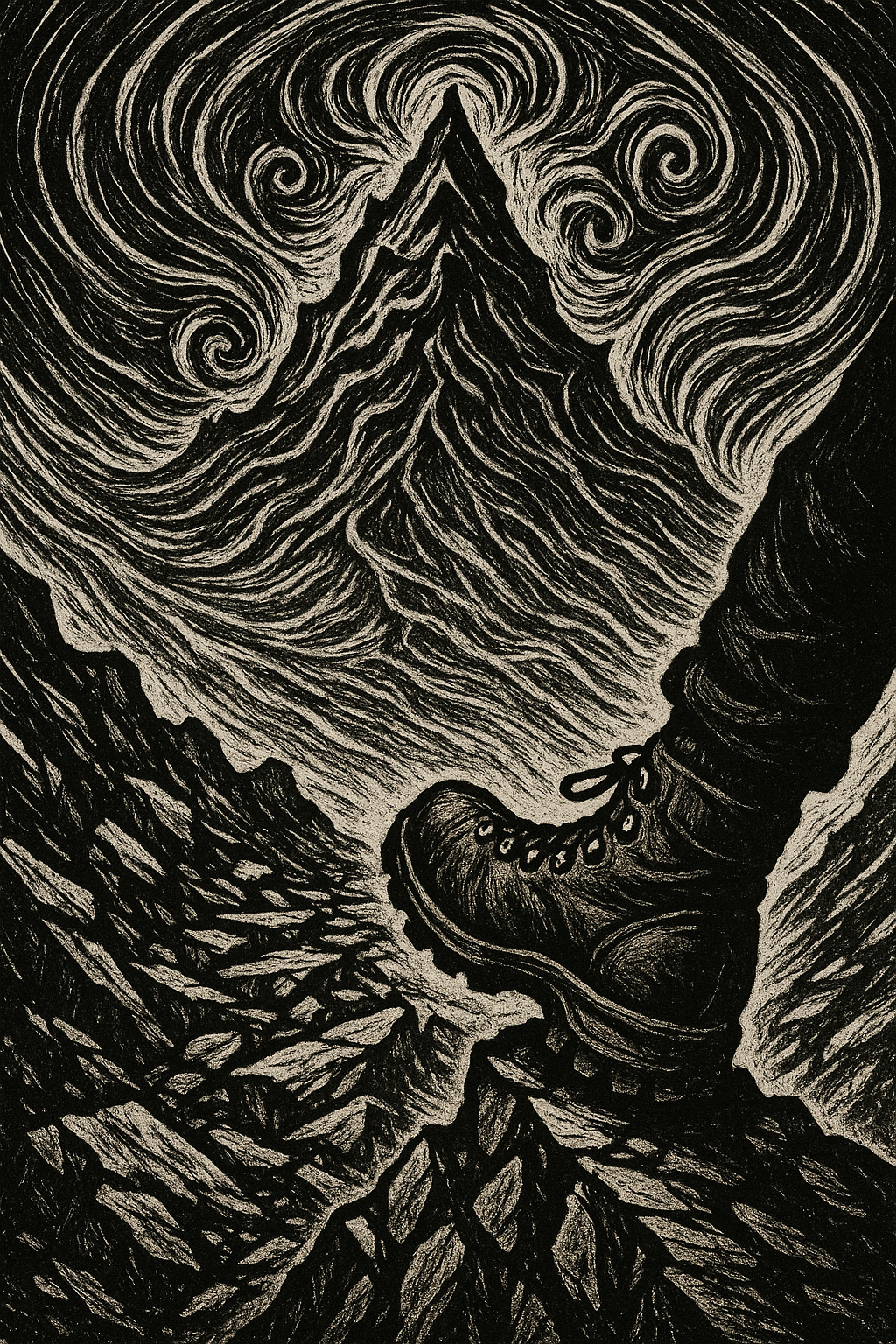
Lion's Head, Cape Town: a 670-meter dome becomes a stage for urban terror. Explore geography, attacks, and the city's response to fear.
Lion's Head, a beautiful mountain in Cape Town, has become a dangerous place. More and more criminals are attacking hikers there. The trails are too crowded, making it easy for bad guys to hide and ambush people. Even though it's stunning, the mountain is now a scary spot where nature's beauty is spoiled by crime.
What is happening at Lion's Head mountain?
Lion's Head, a prominent peak in Cape Town, has become a site of increasing criminal activity, including muggings and attacks on hikers. Overcrowding on its trails, due to its popularity and a well-engineered path, has created opportunities for predators. Despite its natural beauty, the mountain now faces significant safety challenges.
Get Cape Town news in your inbox
Stay updated with the latest stories from the Mother City.
1. The Mountain That Lives Two Lives
Lion’s Head erupts straight from Cape Town’s Atlantic edge, a 670-metre hump of 220-million-year-old beach sand turned to stone. From the crown you can flick the V&A Waterfront, the stadium and the harbour cranes with a finger; they shrink to model-railway scale. Yet the same sandstone ring-cliffs shelter the planet’s smallest floral kingdom: thumb-sized patches of fynbos that once shared a shoreline with Antarctica. Tourist brochures sell the paradox - raw nature inside a latte city - but that contradiction has been hijacked; the same slope that fills hotel windows between Sea Point and Camps Bay now hides blades instead of binoculars.
The peak is tiny - barely two square kilometres - but it straddles two worlds. Inside the conservation fence it is wilderness; outside, the traffic lights of Kloof Nek blink like stage lights. This split personality used to be charming. Today it is tactical: attackers can melt from fynbos to taxi rank in twelve minutes, crossing from SANParks land into city streets before a 10111 call is even queued.
Locals like to say the mountain “belongs to everyone”. The new truth is grimmer: it belongs to whoever reaches the car park last, and the last arrival is increasingly the one with a kitchen knife under a school jersey.
2. The Spiral Path That Engineered Its Own Overcrowding
In 1965 the Mountain Club carved a 5.2-kilometre contouring ribbon to the top, designed for postcard sun-sets, not peak-hour human traffic. Instagram did what wind and rain could not: by 2018 a summer Saturday resembled a mall food-court - 1 200 boots on stone before 10 a.m. Sunrise queues form at the aluminium ladders; baristas hike up with cold-brew in Camelbaks. The city’s own brochures still promise “360° safety in numbers”. The numbers listened; safety never showed.
Overcrowding bred opportunity. Where hikers once said “hello” to strangers, they now calculate passing distances and check shoelaces - any excuse to avoid eye contact. The trail’s engineering brilliance - wide enough for two-by-two chatter - has become a tactical gift for predators: a single file guarantees no witnesses behind, while the constant camera clicks drown out cries for help.
Tour guides privately admit they no longer bring groups down after 4 p.m.; the last golden-hour slot is now rebranded “sunset-with-security” and costs an extra R 200 per head for a freelance guard armed with pepper spray and a two-way radio that barely works behind the sandstone curves.
3. Four Minutes of Choreographed Carnage
Saturday, 09:42. A 24 °C breeze blows 18 km/h from the south-east. Paul and his wife - seasoned trail-runners in their thirties - are 400 vertical metres below the first ladder when three figures glide past. The adult wears a charcoal hoodie despite the heat; two boys sport grey school trousers rolled twice. One clutches a white plastic bag, corners creased as if ironed - later, detectives will match the folds to a 25-cm kitchen blade hidden inside.
09:43. The man asks for “something to eat”. Paul hands over an unopened peanut slab. Simultaneously, the shorter boy drops behind the couple, a manoeuvre soldiers call “spatial divorce” - divide, isolate, control.
09:44. Witnesses uphill hear cardboard tearing: three wooden-handled knives appear. The adult strikes first, blade aimed at Paul’s femoral triangle - prison lore says bleed-out happens in ninety seconds. Paul’s wife blocks with her forearm; steel skates across her mouth, splitting the lip muscle and baring her front teeth. She will need 27 stitches and later, plastic surgery to realign her smile.
09:45. Paul trips on a fist-sized block of sandstone, knocks his occiput and blacks out for 42 seconds - long enough for the attackers to pat his empty pockets and vanish. A twelve-year-old girl hears “Uyamqhela!” - “Finish him!” - carried on the wind. The trio descends a paraglider gully and disappears into the pine plantation above Kloof Nek. Total elapsed time: four minutes. Loot: one rose-gold iPhone, still recording GPS points its owner will never see.
4. Aftermath: Viral Noise, Patrol Gaps and a Grandmother’s Reply
By 18:00 Paul sits in CapeTalk’s studio, microphone clipped to a hospital wristband. The unscripted interview flips #LionsHeadStabbing to trend second only to loadshedding. Callers pile on: the Ukrainian whose DSLR was taken at knifepoint in 2021; the teacher whose Grade-9 pupils now boycott geography hikes; the ex-ranger who reveals night patrols were halved in 2019 so budgets could chase Kruger rhino poachers. A 42-second TikTok extract clocks 1.3 million views before midnight, the algorithm hooked on the soft click of Paul’s swollen lip hitting the foam cover.
Behind the outrage lies arithmetic: 120 SANParks rangers cover 25 000 hectares - one per 52 hectares on paper, closer to one per 200 once leave and court days are tallied. Lion’s Head itself sits inside four overlapping jurisdictions; radio logs show 12 of 14 “suspicious persons” calls early in 2024 were answered with “hike in bigger groups” because no vehicle was free. The closest patrol bakkie sat idle for 3 h 42 min the day of the attack - its only key mistakenly taken home by the night shift.
Criminologists call the use of children “proxy mugging”: kids under 12 cannot be prosecuted, and even 14-year-olds walk free on bail. A Stellenbosch study found 62 % of seized blades are household kitchen knives, retailing for R35 - cheaper than a breakfast bun. Tech fixes sprout faster than they fail: power-button panic hacks, 120 dB alarms, pepper-spray sunscreen. GPS error on the western cliff can drift ±25 m - enough to send rescuers over a ledge. A solar mesh network proposed in 2020 is still “under environmental review” because baboons might dismantle the repeaters.
Yet the mountain is refusing to surrender its stage. The following Saturday, 78-year-old Merle Collins - two new knees, ten grandchildren - hikes at dawn with a 90-decibel siren and a hand-written sign: I AM NOT AFRAID. By 08:30 she is leading an unplanned column of 42 strangers who speak instead of Spotify. At the summit they share Marie biscuits and coffee from a single Thermos, staring down at a city they insist is still theirs.
What is happening at Lion's Head mountain?
Lion's Head, a beautiful and popular mountain in Cape Town, has seen a sharp increase in criminal activity, including muggings and attacks on hikers. This once-cherished natural landmark is becoming a dangerous place due to overcrowding on its trails, which provides opportunities for criminals to hide and ambush people.
Why has Lion's Head become so dangerous?
The mountain's popularity and a well-engineered, accessible path have led to severe overcrowding, especially on weekends. This high volume of people, combined with the mountain's proximity to urban areas, allows criminals to quickly access and escape the trails. The dense fynbos vegetation also offers ample hiding spots, making it easy for attackers to surprise hikers and then disappear into the city before law enforcement can respond.
How does the mountain's layout contribute to the problem?
The 5.2-kilometre spiral path, originally designed for scenic hikes, now facilitates overcrowding. Its width, while good for general hiking, means that hikers often walk in pairs or groups, with little attention paid to those around them. This creates strategic advantages for attackers, as it can isolate victims and drown out cries for help amidst the general trail noise and camera clicks. The mountain's dual nature – wilderness within a city – allows attackers to transition from natural cover to urban escape routes in minutes.
What are some specific examples of attacks that have occurred?
An incident involved a couple, Paul and his wife, who were attacked by three individuals, including two boys, wielding kitchen knives. The attack was swift and brutal, lasting only four minutes, resulting in injuries and the theft of their belongings. The incident highlighted the organized and violent nature of these crimes, as well as the quick escape routes available to the perpetrators.
What are the challenges faced by authorities in addressing the crime?
Law enforcement and park rangers face significant challenges. SANParks rangers are understaffed, with a vast area to cover, making effective patrols difficult. Multiple jurisdictional overlaps complicate response efforts, and a lack of available vehicles often means calls about suspicious persons go unanswered. Additionally, the use of minors in committing crimes, known as "proxy mugging," exploits legal loopholes, as children under a certain age cannot be prosecuted.
What measures are being taken or suggested to improve safety?
While immediate solutions are limited, there have been various suggestions and individual initiatives. Some tour guides now offer "sunset-with-security" tours with armed guards. Technology-based solutions like panic hacks, alarms, and pepper-spray sunscreen have been proposed, though some, like a solar mesh network, face environmental review delays. Despite the dangers, some community members, like 78-year-old Merle Collins, are taking personal stands, hiking in groups with sirens and signs to deter criminals and reclaim the mountain.

Michael Jameson is a Cape Town-born journalist whose reporting on food culture traces the city’s flavours from Bo-Kaap kitchens to township braai spots. When he isn’t tracing spice routes for his weekly column, you’ll find him surfing the chilly Atlantic off Muizenberg with the same ease he navigates parliamentary press briefings.
View all articles →