
Redelinghuys gears up for inaugural Sandveld Fees festival
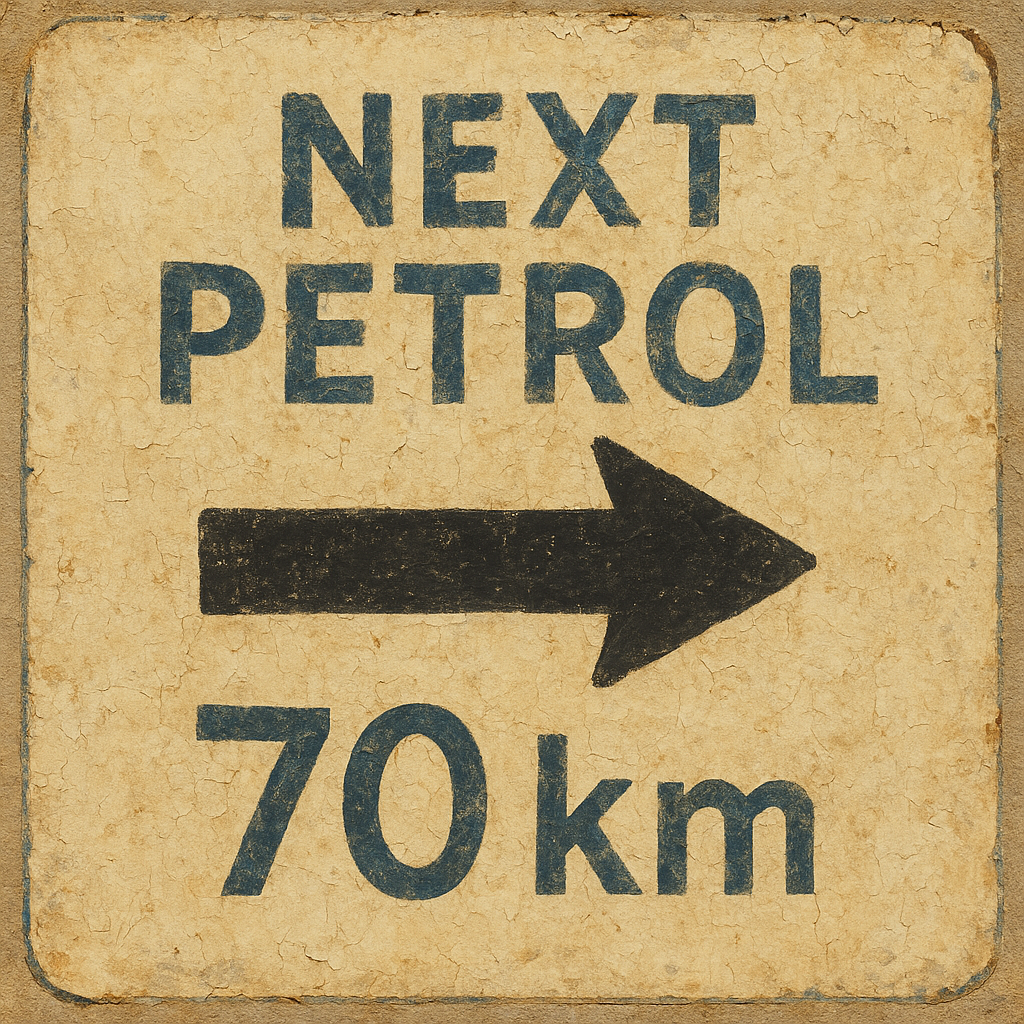
Experience the Redelinghuys Sandveld Fees! A 14-hour immersion in the West Coast's quiet soul, featuring local culture, food, and music.
Hidden away from tourist traps, Redelinghuys, South Africa, hosts the Sandveld Fees, a festival celebrating its unique heritage. This special event boosts the local economy with delicious food, lively music, and incredible dark-sky stargazing. It's a simple, authentic experience that makes you feel connected to the village's heart, away from the usual crowds. You'll leave with a gentle hum of cicadas and distant ocean waves, a reminder of the unforgettable day.
What is the Sandveld Fees?
The Sandveld Fees is a unique festival in Redelinghuys, South Africa, held annually on May 2nd. It's designed to boost the local economy and celebrate the village's heritage, featuring local food, music, and dark-sky stargazing, offering an authentic experience away from typical tourist crowds.
Get Cape Town news in your inbox
Stay updated with the latest stories from the Mother City.
The Place That Refuses to Pose
Redelinghuys will never land on a snow-globe shelf. No postcards boast its name; the closest thing to fame is a sun-bleached plank that still warns “Next fuel 70 km,” hammered into the gravel in 1983. Two hours’ drive north of Cape Town, the hamlet - 1 800 souls spread out among wind-scoured gums and wheatlands - has survived by being forgettable. Birders, loner writers and slow-food zealots have always known the detour; the Sandveld Fees, born 2 May 2026, is merely the village stepping into its own porch light after two centuries of happy obscurity.
A Calendar Breach No One Thought to Plug
Wild-flower pilgrims are gone by May, whale watchers have not yet arrived. Hoteliers slump their tariffs, restaurants bolt their doors on Mondays, figs cautiously leaf again. Festival planners seized the dead fortnight, guaranteeing empty guest rooms, bargain lamb and sunsets that stubbornly refuse to clock out. Motorists glide in without traffic, thermometers idle, cameras free to chase apricot horizons that linger like gossip.
One-Day Economy in Numbers
The municipality spends less on everything in a year than the City metro allocates to yellow kerbs. Yet a single tide of 3 000–4 000 visitors - Stellenbosch economists ran the model - will wash roughly R2.4 million through local tills, the equivalent of 14 % of yearly retail turnover. A stall costs only R250; traders pocket a recycled-plastic “Sandveld Pas” that doubles as a 10 % discount voucher at surrounding farm stalls until winter, pushing rand deep into months when wallets normally hibernate.
The Stage That Follows the Sun Down
A Meridian With Ambition
Eighteen degrees east slices through Dublin and Stockholm; here it bisects a rugby pitch aiming north-south. Builders parked the main platform on the western dead-ball line so every act plays directly into a sinking star. When Dirk van der Westhuizen’s closing chord rings out at 21:30, the ridge at his back will still burn salmon-pink - lighting rig money could never rent.
Three Ages in Twelve Hours
Sunrise belongs to the Redelinghuys Children’s Marimba Hub, their aluminium bars cut from discarded garage-door sheets in the high-school shop. Noon ushers in the Sandveld Stoftrappers, a Riel troupe policed by 83-year-old “Oom” Karel September, last living graduate of the 1940s vastrap circuit. Dusk dissolves into Afrikaans pop-country and electro ballads; the engineer slips a barely audible cicada click-track beneath every chorus, sewing stadium roar to bush silence.
Eating the Desert Without Water
Recipes That Remember Drought
Eight food kiosks, four of them savoury, hinge on the indigenous tsamma melon: hickory-smoked biltong threaded with dried melon, tsamma-atjar tacos, nougat studded with melon seed, and a “water burger” whose patty hides forty per cent dehydrated melon fibre. The barley for the limited Sandveld Fees ale survived 180 mm of winter rain; every bottle neck carries that exact figure, turning bar counter talk into climate testimony.
Zero-Waste as Street Theatre
A Darling co-operative turns litter-picking into vaudeville. Staffers sport waistcoats woven from potato-chip bags and race to erect the tallest plastic castle before final curtain. Spectators vote by tossing rinsed tubs into colour-coded moats; the winning crew lifts a trophy forged from melted bottle-tops and triggers the solar-powered baler, compressing the day’s rubbish into a 30 kg brick headed for a Cape Town recycler that turns festival junk into school shoes.
Nightfall After-Party: Dark-Sky and Other Detours
When the Lights Die at 23:00
The village lies inside a provisional IDA dark-sky corridor. Ninety seconds after the last chord, every mast bulb blacks out. Amateur astronomers from the Cape Centre plant six Dobsonian telescopes on the fifty-metre line; red-cellophane torches shepherd visitors to Saturn’s rings, the Sombrero Galaxy and - if the jet stream behaves - the International Space Station sprinting above at 23:17. Bring a camp mattress; astro-turf becomes a silent celestial lounge with no last tab.
Verlorenvlei Side Quest
Seven kilometres west, the estuary is one of the last natural coastal lakes in the region. May levels rise to the knee on a paddle-board yet expose the drowned fence posts of a 1940s dairy. Mention “Sandveld Fees” to BirdLife volunteers and they will guide you to a pelican nursery behind the reeds where juveniles rehearse synchronised lift-offs like awkward adolescents at a ballet recital.
Sleeping When the Village Whispers
Only 120 beds exist - by design. The Dutch Reformed church hall offers surplus stretchers at R120; a four-room hotel above a bar still advertising “Facsimile Available” sold out months ago. The owners’ aunt turned her citrus-packing shed into a bunkhouse: parquet off-cuts, mosquito nets knotted to irrigation pipes, an outside shower stoked by a donkey boiler at dawn and dusk. Campers may pitch on the eastern try-line; the night watchman accepts payment in festival T-shirts and lamb chops, ensuring security doubles as fireside yarn.
Departure, but Not Really
How to Leave Without Leaving
The souvenir that persists is not the jar of tsamma jam or the bootleg T-shirt; it is a low hum in the cochlea - compound of cicada chord, diesel genset and distant Atlantic swell - that linges roughly seventy-two hours after the tyres hit the tar back home. Audiologists label it temporary threshold shift; locals call it “die Sandelvd se hartslag.” You will notice it first in the shower cubicle, then in the hush before dawn. When the hum finally fades you will understand the festival never truly ends; it merely relocates into your pulse, gently reminding you that west of the N7 wheat silos a hamlet is already raking the rugby field, counting teaspoons and rehearsing the next vastrap step for another 2 May still 363 days away.
[{"question": "What is the Sandveld Fees?", "answer": "The Sandveld Fees is a unique festival in Redelinghuys, South Africa, held annually on May 2nd. It's designed to boost the local economy and celebrate the village's heritage, featuring local food, music, and dark-sky stargazing, offering an authentic experience away from typical tourist crowds. The inaugural festival was held on May 2nd, 2026."}, {"question": "Where is Redelinghuys located and what makes it special?", "answer": "Redelinghuys is a hamlet located about two hours' drive north of Cape Town, South Africa. It's known for being a quiet, authentic village that has largely avoided mass tourism. It boasts a unique charm, attracting birders, writers, and slow-food enthusiasts, and is particularly noted for its dark-sky corridor, making it ideal for stargazing."}, {"question": "What kind of economic impact does the Sandveld Fees have?", "answer": "Despite being a small village, the Sandveld Fees is projected to generate approximately R2.4 million in local revenue from 3,000-4,000 visitors, equivalent to 14% of the village's yearly retail turnover. The festival encourages sustained local spending by offering a 'Sandveld Pas' to traders, which doubles as a 10% discount voucher at surrounding farm stalls until winter."}, {"question": "What kind of entertainment and food can visitors expect?", "answer": "The festival offers diverse entertainment, including performances by the Redelinghuys Children's Marimba Hub, a Riel troupe called the Sandveld Stoftrappers, and Afrikaans pop-country and electro ballads. Food offerings are unique, centered around the indigenous tsamma melon, with dishes like tsamma-atjar tacos and a 'water burger.' There's also a limited Sandveld Fees ale, brewed with barley that survived only 180mm of winter rain, a detail highlighted on each bottle."}, {"question": "What happens during the dark-sky after-party?", "answer": "As Redelinghuys is within a provisional IDA dark-sky corridor, all village lights are turned off at 23:00 after the main performances. Amateur astronomers set up Dobsonian telescopes for visitors to observe celestial objects like Saturn's rings, the Sombrero Galaxy, and potentially the International Space Station. Visitors are encouraged to bring camp mattresses for comfortable stargazing."}, {"question": "What unique accommodations are available, and what is the 'Sandveld se hartslag'?", "answer": "Accommodation in Redelinghuys is limited and unique, including surplus stretchers in the Dutch Reformed church hall, a small four-room hotel, and a bunkhouse in a converted citrus-packing shed. Campers can pitch tents on the rugby field. The 'Sandveld se hartslag' (Sandveld's heartbeat) refers to a persistent low hum in one's cochlea \"compound of cicada chord, diesel genset and distant Atlantic swell\" that lingers for about 72 hours after leaving, symbolizing that the festival's spirit stays with you, always reminding you of the village."}]

Thabo Sebata is a Cape Town-based journalist who covers the intersection of politics and daily life in South Africa's legislative capital, bringing grassroots perspectives to parliamentary reporting from his upbringing in Gugulethu. When not tracking policy shifts or community responses, he finds inspiration hiking Table Mountain's trails and documenting the city's evolving food scene in Khayelitsha and Bo-Kaap. His work has appeared in leading South African publications, where his distinctive voice captures the complexities of a nation rebuilding itself.
View all articles →