
Why are Peet and Mel Viljoen facing legal trouble?
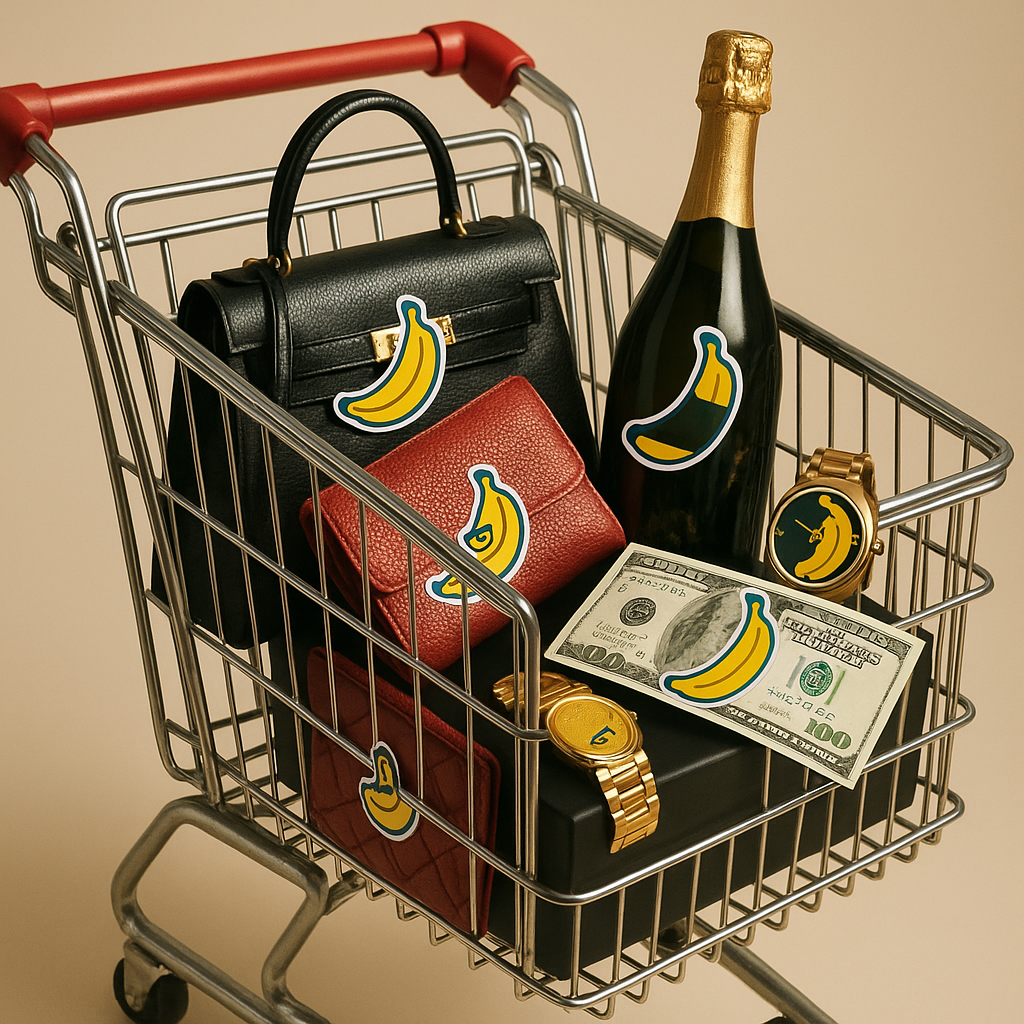
From reality TV to deportation: Explore the bizarre story of Peet & Mel Viljoen, whose American dream turned into a nightmare.
A TV-famous couple from South Africa tried to trick self-checkout machines in Florida by swapping cheap banana stickers onto fancy food. This sneaky plan, worth over $5,000, landed them in jail for theft and showed their US visas were expired. Now, they face not only criminal charges but also possible deportation. Their wild story, full of fake businesses and past troubles, has become a viral sensation, with their fate hanging between prison, deportation, or worse.
What did the Viljoens do?
The Viljoens, a South African couple, were arrested in Florida for a "ticket-switching" scam. They allegedly swapped cheaper barcode labels, like those for bananas, onto expensive items such as rib-eyes and crayfish tails at self-checkout. This scheme, totaling over $5,000, led to their arrest for aggravated retail theft and revealed expired U.S. visas, triggering immigration proceedings.
Get Cape Town news in your inbox
Stay updated with the latest stories from the Mother City.
1. A Banana-Sticker Bust in the Sunshine State
Shoppers at the sprawling Publix on Daniels Parkway, Fort Myers, still replay the scene: a well-groomed pair gliding through the self-scan lane with military focus. On 3 March 2026, loss-prevention staff finally moved in. Their review showed Peet Viljoen, 56, positioning his body to block overhead lenses while Melanie, 51, peeled 47-cent banana labels and pressed them onto rib-eyes, crayfish tails and tubs of air-flown biltong. Detectives later tallied nineteen separate visits since November and a markdown scam worth $5 347.
When deputies asked for ID, the couple produced South African passports stamped “WT” - waiver-tourist - expired six weeks earlier. Because the haul crossed Florida’s $3 000 felony line, Collier County added “aggravated retail theft.” ICE was phoned before the ink on the citation dried. By nightfall the Viljoens were on separate prison buses: Mel to the Krome annex south-west of Miami, Peet to the Monroe County Stockade, a canal-ringed complex locals nickname “Alligator Alcatraz” for the crocodiles that drift past the flood-lights at dusk.
Within hours, cellphone clips of the arrest circulated on Florida Facebook groups, thrusting two once-unknown foreigners into a viral morality tale about privilege, race and low-tech fraud. For many viewers it was the first hint that the pair had already been on the radar of South African prosecutors, civil courts and a growing crowd of angry investors.
2. Zoom Court, CCTV Spreadsheets and a Parallel Immigration War
The first court mention arrived on 9 April, but the defendants attended by video from immigration hold. Judge Sheryl Lochard of the 20th Judicial Circuit watched a 12-minute CCTV montage: turquoise gel nails resealing meat wrappers, Peet wedging his torso between lens and bottle of Napa cabernet. The public defender called the evidence “circumstantial,” arguing no single receipt topped $750. Prosecutors answered with Florida’s “continuing-course-of-conduct” rule, stacking every transaction into one felony. Pleas of not guilty were logged; a criminal trial is set for 6 October.
Yet the shoplifting docket is now a sideshow. Weeks earlier ICE served “expedited removal” papers, a civil process that can eject visa-overstay cases without a full hearing. The couple’s new filing seeks asylum, claiming deadly danger awaits white landowners back home. They attached farm-murder statistics mailed by AfriForum and headlines about murdered manager Brendin Horner. Advocates predict trouble: the same dossier brims with Peet’s social-media rants calling black judges “monkeys in gowns,” hardly the profile of a persecuted minority.
Complicating matters, guards found a hand-drawn layout of a Colorado detention centre tucked into Mel’s Bible. She was moved to 23-hour solitary; Peet has been shuffled three times after allegedly recruiting detainees for a “Boer prayer circle” that administrators view as white-separatist organising. Every bus ride deepens the uncertainty over which case - shoplifting, immigration hustle, or extradition - will seal their fate first.
3. Reality Cameras, Ghost Deeds and a Franchise That Never Opened
Long before Florida gossip sites discovered them, the Viljoens were prime-time fixtures in South Africa. KykNET’s 2019-21 series Die Viljoens: Afrikaans & Ambisieus chronicled their Pretoria mansion, pastel Bentleys and Mel’s booming Tammy Taylor nail “empire.” Ratings peaked when Peet berated auditors questioning royalties that ballooned from R3 million to R87 million in twelve months. Producers had planned a final episode showing the family’s “great trek” to America, complete with old Transvaal flags on monogrammed suitcases. The footage never aired; editors later leaked stills to the Daily Maverick.
Behind the glamour, authorities say, ran a paper trail of phantom property flips and missing franchise cash. Between 2016 and 2018, sixteen inner-city buildings allegedly migrated from municipal custody to a shelf company, then to Chinese buyers, using documents signed by a struck-off attorney - Peet, claim investigators. The Hawks are still circling over R280 000 “starter kits” mailed to 73 investors who never received premises, staff training, or more than acrylic powder and a laminated price list.
A U.S. federal court in Arizona has already awarded the real Tammy Taylor group $3.9 million plus treble damages for trademark infringement; the couple ignored discovery, so the tab keeps climbing. Add a 77-page South African Human Rights Commission file on hate speech - podcasts vowing to “retake Pretoria block by block” - and it becomes clear why the pair preferred the anonymity of a Florida strip mall to a courtroom in Gauteng.
4. Stickers, Memes and the Global Aftershocks of a Grocery Scam
Retail analysts call the trick “ticket-switching,” the fastest-growing store offence in the United States. The National Retail Federation logged an 87 % jump since 2022, driven by self-checkouts that let shoppers scan barcodes unsupervised. Publix told investors shrinkage hit 4.1 % last fiscal year, double the sector average, and is pouring $600 million into AI scales and overhead scanners to stem the bleed. The Viljoens, investigators say, were textbook practitioners: 73 distinct items discounted 85-93 %, a February cosmetics run ringed up at $742 instead of $9 800. Mel allegedly sold the goods through a covert “100 % authentic Tammy Taylor” pop-up advertised on Facebook Marketplace.
While the couple sit in segregated pods, their story fuels a meme economy. The hashtag #StickerScam has racked up 48 million TikTok views; teenagers reenact the CCTV with props as absurd as diamond earrings coded as batteries. A parody account, @PeetInPrison, jokes about trading ramen for biltong and has collected 120 000 followers. Kroger has lobbied lawmakers in three states to make ticket-switching of goods above $500 an instant felony, scrapping the need to aggregate multiple thefts.
Diplomats are less amused. Pretoria’s foreign ministry limits help to welfare checks, noting the “private commercial” nature of the charges. AfriForum quietly bankrolled U.S. counsel to argue Mel’s detention conditions breach UN minimum rules, while South Africa’s Hawks filed a provisional extradition brief. Few expect Washington to honour it; ICE will probably fly the Viljoens to Johannesburg before any hearing concludes. Whether they land to face creditors, police vans or a vigilante with a cellphone camera remains the final cliff-hanger in a saga that began with a 47-cent sticker and may end in years behind steel doors - or worse, the crocodile canals of Alligator Alcatraz.
What did the Viljoens do?
The Viljoens, a TV-famous South African couple, were arrested in Florida for a "ticket-switching" scam. They allegedly swapped cheaper barcode labels, like those for bananas, onto expensive items such as rib-eyes and crayfish tails at self-checkout machines. This scheme, totaling over $5,000, led to their arrest for aggravated retail theft and revealed expired U.S. visas, triggering immigration proceedings.
Where and when were the Viljoens arrested?
The Viljoens were arrested at a Publix grocery store on Daniels Parkway, Fort Myers, Florida, on March 3, 2026. Loss-prevention staff observed Melanie Viljoen placing 47-cent banana labels onto high-value items, while Peet Viljoen attempted to block surveillance cameras. Their illegal activities were part of nineteen separate incidents dating back to November, accumulating to a total of $5,347 in stolen goods.
What are the legal consequences the Viljoens are facing?
They are facing criminal charges for aggravated retail theft, as the value of the stolen goods crossed Florida's $3,000 felony line. Additionally, their expired U.S. visas led to their detention by ICE, who served them "expedited removal" papers. They have since filed for asylum, claiming persecution as white landowners in South Africa.
What is "ticket-switching" and how prevalent is it?
"Ticket-switching" is a retail fraud tactic where shoppers swap cheaper barcode labels onto more expensive items, often at self-checkout. This is the fastest-growing store offense in the United States, with an 87% increase since 2022. Retailers like Publix are experiencing significant losses and are investing in AI scales and overhead scanners to combat this issue.
What was the Viljoens' background before their arrest?
Before their Florida arrest, the Viljoens were reality TV stars in South Africa, featured in the show Die Viljoens: Afrikaans & Ambisieus, showcasing their lavish lifestyle. However, behind the scenes, they were involved in alleged phantom property flips, missing franchise cash for a Tammy Taylor nail empire that never materialized, and faced a U.S. federal lawsuit for trademark infringement. Peet Viljoen also faced a South African Human Rights Commission file for hate speech.
What is the current status of their detention and potential future?
Melanie Viljoen is being held at the Krome annex south-west of Miami, and Peet Viljoen at the Monroe County Stockade, nicknamed "Alligator Alcatraz." They are attending court appearances via video from immigration hold. Their future is uncertain, as they face potential prison time for theft, deportation to South Africa, or even extradition to face previous charges there. Their story has also become a viral sensation, fueling memes and discussions on social media.

Sarah Kendricks is a Cape Town journalist who covers the city’s vibrant food scene, from township kitchens reinventing heritage dishes to sustainable fine-dining at the foot of Table Mountain. Raised between Bo-Kaap spice stalls and her grandmother’s kitchen in Khayelitsha, she brings a lived intimacy to every story, tracing how a plate of food carries the politics, migrations and memories of the Cape.
View all articles →