
College of Cape Town faces administration after governance failures
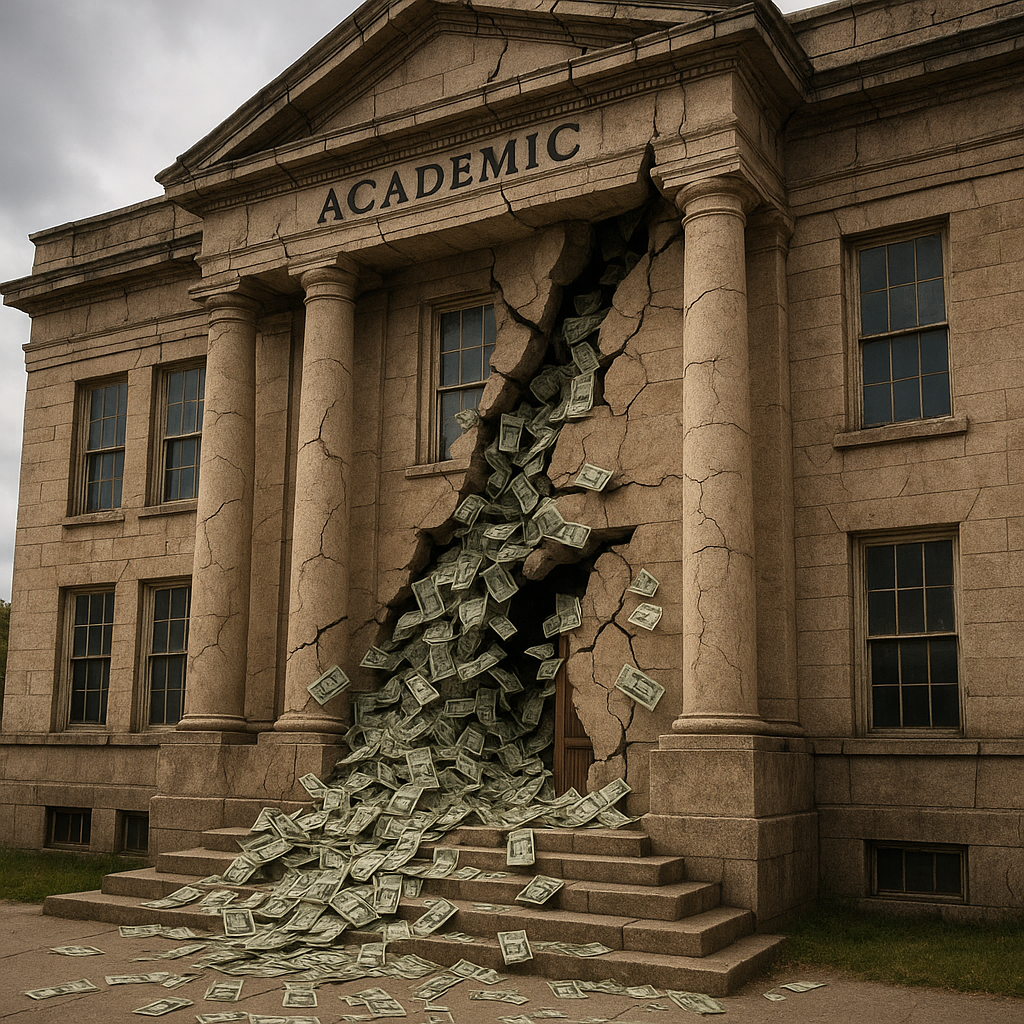
An in-depth look into the College of Cape Town's governance collapse, revealing irregular contracts, dubious appointments, and academic decline.
The College of Cape Town is in big trouble. Bad bosses messed up money, like paying too much for security. Teachers got jobs without being qualified, and now students are failing. The government is stepping in to fix things fast, or 14,000 students might lose their chance at a good future.
What are the main issues at the College of Cape Town?
The College of Cape Town faces severe governance failures, including infrequent council meetings and questionable financial practices like an inflated security contract and irregular promotions. These issues have led to declining academic standards, financial mismanagement, and a dysfunctional learning environment for its 14,000 students.
Get Cape Town news in your inbox
Stay updated with the latest stories from the Mother City.
The Hearing That Shook Parliament
On 14 October 2025, three senior officials from the College of Cape Town walked into Committee Room 3 at 120 Plein Street armed with slick brochures and rainbow-coloured flow charts. Their confident pitch for a “Turn-around Strategy” lasted barely an hour before scepticism set in. By the second appearance three weeks later, Chairperson Tebogo Letsie abandoned the usual polite Q-and-A and invoked Section 56 of the National Qualifications Framework Act, ordering a full forensic probe. MPs later joked they had felt trapped inside a spy thriller, ticking off court docket numbers and e-mail metadata instead of debating policy.
The unprecedented step means an outside team will now comb through every tender, payslip and council minute since 2021. The move matters because TVET campuses rarely attract this level of scrutiny; when they do, the findings normally surface years after the money is gone. In this case Parliament moved while classes are still running, giving investigators a live crime scene rather than a cold trail.
Students, unions and local employers are watching closely. The college educates 14 000 young people each year and feeds apprenticeship pipelines at Eskom, Transnet and the city’s hospitality giants. If the institution collapses, the shock will travel well beyond the campus gates.
A Council That Forgot How to Meet
The College Council is supposed to meet ten times a year; law and common sense demand nothing less. Auditors found that since January 2023 the 12-member body gathered on only 18 occasions, and more than half of those sessions wrapped up in under 45 minutes. Tender reports, mandatory under the PFMA, were skipped or rubber-stamped without discussion.
To hit the legal head-count, the Principal began counting her personal assistant as a “non-voting technical participant,” a label invented on the spot. Because the same aide later became acting Council Secretary, she effectively wrote the minutes that legitimised her own presence. Lawyers reviewing the file say every resolution adopted since 2023 is challengeable in court, a time-bomb that could unwind years of appointments and payments.
The casual approach to governance turned dangerous when money entered the room. Security invoices, salary top-ups and supplier extensions all flew through a chamber that had morphed into a social club rather than a fiduciary watchdog. Auditors liken the setup to a company board run by the CEO’s coffee circle.
The Never-Ending Security Bill
In 2022 the Western Cape High Court tossed out a R42-million security tender after bidders were secretly judged on conditions never published. The prudent next step would have been a fresh, transparent competition. Instead councillors voted, in a one-line minute, to keep the same company on a temporary leash while they “finalised internal processes.”
That stopgap lasted 28 months. Month-to-month invoices totalled R1,9-million every 30 days, pushing the eventual bill to an estimated R95,4-million - more than double the original ceiling. The Auditor-General tagged the overspend “fruitless and wasteful,” yet the finance committee simply rolled the item into the following budget, hoping nobody would notice.
The contract became a textbook lesson in how impunity breeds extravagance. Guards reportedly abandoned night shifts, leaving workshops and computer labs to local gangs. Staff now joke that the only thing secured was the supplier’s bank balance.
Payroll Wizardry and Instant Careers
A former house-mate of the Principal arrived in February 2024 as a Mechanical-Engineering lecturer on R420 000 a year. Ninety days later an internal memo pinned the same name to the door of Deputy Director: Strategic Projects, a slot worth R1,03-million. No interview panel, no psychometric test, no motivation for jumping an academic into management - just a signature.
Auditors uncovered nine copy-paste promotions linked to family, church or political ties. Together they add R4,7-million in salaries that Treasury never budgeted for, forcing cuts elsewhere. Welding rods, nursing dummies and copier paper ran out while the payroll swelled.
The cherry on top is a deleted spreadsheet recovered by IT sleuths. Titled “Salary Re-costing v3,” it sketches a 2026 organogram that inflates executive posts from six to eleven and hikes the wage bill from R7,2-million to R13,6-million. A comment bubble reads: “Await Ministerial signature - once governance report dies down.” Investigators call the metadata a smoking gun.
Aftermath in the Classroom and the Courts
Engineering pass rates have slid from 67 % in 2022 to 43 % last year, according to the Quality Council for Trades and Occupations. Ten accredited programmes cling to provisional status because moderators cannot find signed assessment records; the documents are stuck in the inbox of the same acting Council Secretary who massaged meeting minutes. Employers such as Eskom Rotek and Transnet Engineering have already delisted the college from recruitment drives.
Students describe a ghost campus: practicals cancelled, Wi-Fi suspended for non-payment, gang members wandering in after dark. Worker representatives and the student forum have teamed up, launching weekly marches and gathering 4 200 signatures demanding withheld NSFAS allowances and whistle-blower protection.
Parliament’s arsenal is loaded. Section 56 of the NQF Act allows the Minister to parachute in an Administrator, while Section 49A of the CET Act can throttle grant funds. Criminal referrals under PRECCA and personal liability certificates under the PFMA are on the table. A blended rescue package - external administrator, suspended funds, criminal cases - is shaping up as the favoured path, but only if the National Treasury agrees to a once-off reconstruction grant.
Time is short. January 2026 registrations loom, and two letters sit ready in the Department’s safe: one green-lighting enrolment under new management, the other deferring intake if the ousted Council drags the matter to court. For 14 000 prospective students clutching course flyers at the Wingfield gate, the stakes could not be higher. Their shot at social mobility now depends on whether a broken campus can be dragged back to life before the academic year begins.
[{"question": "What are the main issues at the College of Cape Town?", "answer": "The College of Cape Town is grappling with severe governance failures, including a council that rarely met and questionable financial practices. These include an inflated security contract and irregular promotions of unqualified staff. This mismanagement has led to declining academic standards, financial mismanagement, and a dysfunctional learning environment for its 14,000 students. Pass rates have significantly dropped, and the college has been delisted by major employers for recruitment."}, {"question": "What action has the government taken in response to the issues?", "answer": "The government, specifically Parliament, has initiated a full forensic probe into the College of Cape Town. This unprecedented step, invoked under Section 56 of the National Qualifications Framework Act, means an outside team will investigate all financial transactions, tenders, payslips, and council minutes since 2021. This action aims to address the issues swiftly, unlike typical investigations that often occur years after the fact."}, {"question": "How has the College Council contributed to the problems?", "answer": "The College Council, which is legally required to meet ten times a year, met only 18 times since January 2023, with many sessions being very short. They often skipped or rubber-stamped tender reports without proper discussion. The Principal even invented a 'non-voting technical participant' role for her personal assistant to meet legal headcount requirements, further compromising the legitimacy of council resolutions. This casual approach allowed financial irregularities, such as the exorbitant security bill, to go unchecked."}, {"question": "What was the extent of the security contract mismanagement?", "answer": "After a R42-million security tender was thrown out by the High Court in 2022, the College Council opted to keep the same company on a temporary, month-to-month basis instead of conducting a new, transparent tender process. This 'temporary' arrangement lasted 28 months, resulting in an estimated bill of R95.4-million, more than double the original amount. The Auditor-General deemed this overspend 'fruitless and wasteful,' highlighting a severe lack of financial oversight."}, {"question": "How did irregular promotions affect the college's finances and staff quality?", "answer": "Auditors uncovered nine 'copy-paste promotions' linked to personal connections rather than merit, including a former housemate of the Principal who quickly moved from a lecturer position to a Deputy Director role with a significantly higher salary. These irregular promotions added R4.7-million to the salary bill, forcing cuts in essential resources like welding rods and nursing dummies. A recovered spreadsheet also revealed plans to inflate executive posts and further increase the wage bill, indicating a systemic issue of cronyism and financial impropriety."}, {"question": "What are the potential consequences for the 14,000 students and the college's future?", "answer": "If the institution collapses, 14,000 students face losing their chance at a good future, as the college feeds apprenticeship pipelines for major employers like Eskom and Transnet. Parliament has several options, including parachuting in an Administrator, suspending grant funds, and initiating criminal referrals. A blended rescue package, combining external administration, suspended funds, and criminal cases, is being considered. The college's ability to enroll new students in January 2026 hinges on whether it can be reformed before the academic year begins, with students and employers watching closely.", "footer": "Please note that this FAQ is based on the provided information and may not cover all aspects of the College of Cape Town's situation."}]

Lerato Mokena is a Cape Town-based journalist who covers the city’s vibrant arts and culture scene with a focus on emerging voices from Khayelitsha to the Bo-Kaap. Born and raised at the foot of Table Mountain, she brings an insider’s eye to how creativity shapes—and is shaped by—South Africa’s complex social landscape. When she’s not chasing stories, Lerato can be found surfing Muizenberg’s gentle waves or debating politics over rooibos in her grandmother’s Gugulethu kitchen.
View all articles →