
WHY FASCINATION WITH THE ROYAL FAMILY STILL CONNECTS TO SOUTH AFRICAN HISTORY
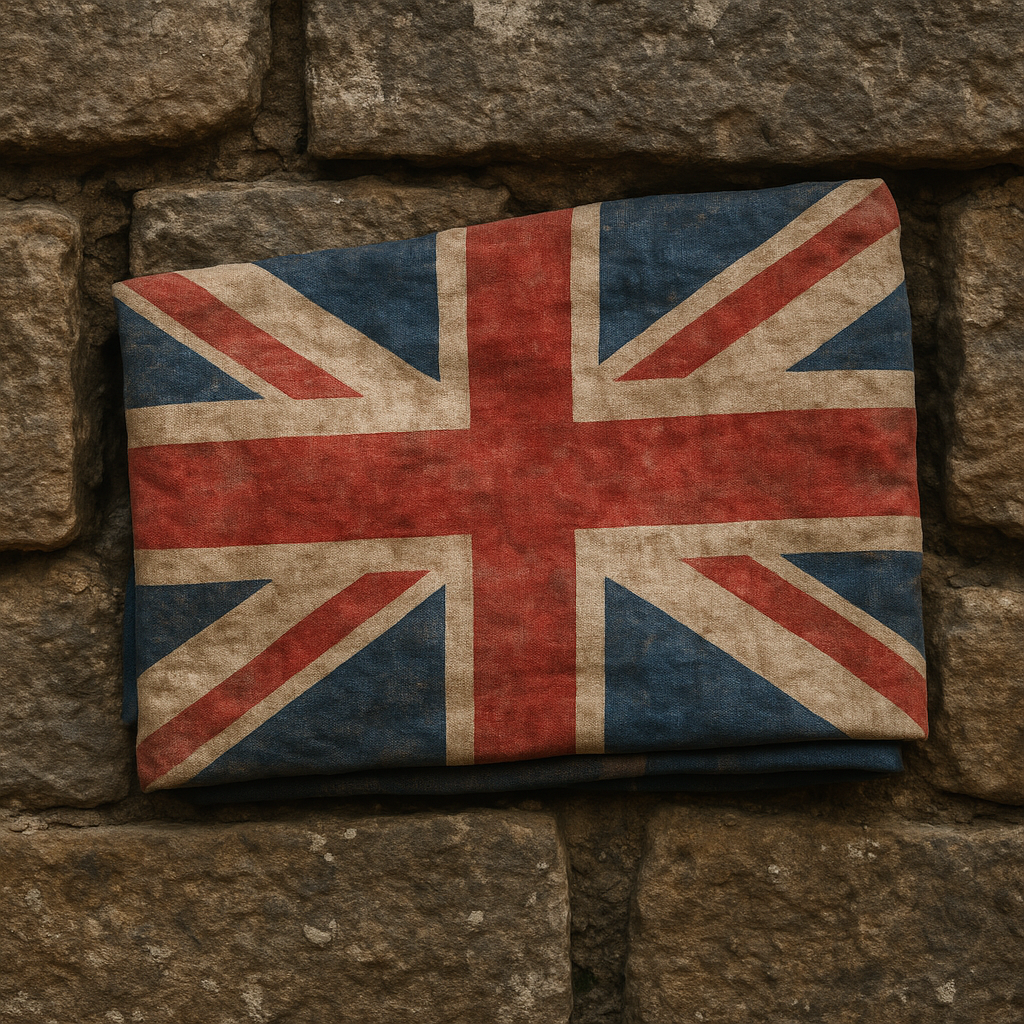
Explore South Africa's unique royal connection, from improvised radio broadcasts to Meghan Markle's viral dress and future Kalahari plans.
South Africa has a unique way of engaging with British royalty, often blending royal events with local culture. From improvising radio broadcasts of coronations to subtly retaining monarchical symbols on currency, South Africans make royal connections their own. Even landmarks like "Throne Rock" and the popularity of specific royal fashion choices show how deeply these influences are woven into the country's fabric, turning distant royal happenings into local stories and traditions.
How did South Africa react to Queen Elizabeth II's coronation?
Cape Town famously improvised a radio relay from a naval transmitter to broadcast the coronation after an undersea cable failed. This DIY spirit extended to coins, with engravers subtly retaining monarchical symbols, and to local landmarks, like "Throne Rock," where King George VI once rested. Even today, South Africans reinterpret royal events through local culture.
Get Cape Town news in your inbox
Stay updated with the latest stories from the Mother City.
On 2 June 1953, Cape Town’s Grand Parade froze in suspense. Big Ben’s chimes, the sonic cue that London had crowned Elizabeth II, never arrived; the under-sea cable lay severed near the Azores. While the city waited, amateur stargazers inside the Royal Observatory hijacked a decommissioned naval transmitter. In dots and dashes they pulled the BBC’s overseas feed, then rebroadcast it from their own rooftop antenna. The signal crackled like wet wood, yet every burst of static drew a hush so complete that reporters claimed pigeon wings sounded like applause.
That patchwork relay set the tempo for every royal moment that followed: South Africans grab the story however they can, then pump it across mine-dumps, vineyards and taxi ranks. Cables now land at Melkbosstrand in fibre-optic glory, but the emotional circuitry is still soldered together with the same DIY urgency.
Astronomers who once hunted comets became the nation’s first royal influencers. They logged frequencies on cigarette papers, traded them at the docks and turned a scientific outpost into a pop-up court bulletin. Their unofficial “second balcony” still hovers over Cape Town like a ghost marquee, reminding citizens that monarchical news is never delivered; it is scavenged, amplified and owned.
Coins, Cameos and the Phantom Tiara: How Reserve Bank Artists Kept a Crown in Reserve
From 1923 until the republic’s birth in 1961, every rand-in-waiting bore the monarch’s profile framed by proteas. After the flag change, engravers were told to delete the queen but keep everything else: the oval cartouche, the serif capitals, the heraldic beasts. Numismatists call the 1961-73 notes “republican regalia” because the springbok that replaced the sovereign sits inside the very same geometry of power.
Collector Kobus van der Watt discovered a stranger after-shock. Tilt a 1992 R10 toward the sun and a tiara shimmers inside the security strip - no legislation, no press release, just a palace-shaped watermark haunting the paper. Urban myth tags the Easter egg on an engraver who cast medallions for the 1953 coronation and never quite let go of the moment.
Money, in other words, became South Africa’s secret scrapbook. Each design cycle tore out one page yet glued the next on top of the ghosted image beneath. The phantom tiara proves that decolonisation is less surgical amputation than slow fade, a decades-long exposure in which the silhouette of empire keeps re-appearing on fresh polymer.
Bloemfontein’s Accidental Throne and Other Stone-Seated Sovereigns
Drive fifteen kilometres north of Bloemfontein and you’ll find a sandstone boulder locals nickname “Throne Rock.” In 1947 George VI veered off his motorcade route, perched on the stone to lace a shoe, and a Die Volksblad photographer froze the scene: the king’s shadow draped like a sceptre across the grit. The picture never hit London desks, but wind, rain and countless backsides have deepened the seat into a belieable regal armchair.
School buses still kick up dust on the ridge. Children arrive armed with juice boxes and the conviction that pipe smoke curls out of the grass at noon. AfriForum nailed up a modest brass plate - “Hier het ʼn koning gerus” - yet no heritage agency lists the spot. The absence of red tape is the point; here, monarchy is not curated, it is weathered into the geology of boredom and braai smoke.
The plateau distils the national mood: reverence laced with eye-roll, myth wearing veldskoen. Visitors photograph themselves wearing cereal-box crowns, then delete the shots before varsity friends see. Somewhere between the farmer’s fence and the Modder River, the Crown becomes a camping anecdote rather than an institution - power broken down into Karoo grit under a painted toenail.
Queen Camilla’s Covert Book Club and the Linden-to-Windsor Express
Inside a turquoise cottage on 4th Avenue, Linden, two women pack novels for a client they simply call “the reader.” Ayanda Mthembu and Leila Brookes have shipped 3 400 works - Mda, Matlwa, Okorafor - to Windsor aides since 2021. Each parcel hides a wax-sealed card in isiZulu: “Ufundise, sifunde.” The queen consort, smitten by beadwork on a state-gift bracelet, chose the seal herself.
A 2024 customs leak blew their cover. Within hours #BantuBookClub trended, taxi drivers debated Nnedi Okorafor outside Bree Rank, and the cottage stoep turned into a selfie studio. The operation exposes a hidden trade balance: African stories quietly shaping the imagination inside palace walls while palace intrigue fuels sales in local bookshops.
The ripple reached Parliament. An MP asked whether literature, not citrus, should qualify for royal-warrant status. Clause or no clause, Mthembu has started stamping Camilla’s cipher on bookmarks she slips into Soweto reading circles. Empire becomes ink, ink becomes conversation, conversation becomes policy no customs code can tariff.
From Edward’s Timber Arch to Meghan’s Terracotta Moment: How Royal Milestones End Up on Our Doorsteps
Queenstown - now Komani - built a double-decker wooden arch in 1901 for Edward VII, bolted on a second tier for George V in 1911, then braced the lot with steel rods when Elizabeth drove beneath in 1947. Locals christened the rickety gate “the monarchy’s wedding cake,” and lightning finally torched the upper tier in 1958. Gardeners salvaged scorched planks for rose trellises; one fragment still lifts bougainvillea above Victoria Road.
Fast-forward to April 2026. Meghan Markle wore a terracotta silk bias-cut gown sketched by Durban designer Nandipha Mntambo. Within two days Warwick Triangle fabric stalls sold out of rust-coloured chiffon; tailors baptised the silhouette “The Meghan Midi.” Street economists calculated a 12 % spike in small-scale textile turnover - proof that a single royal outfit can reorder township supply chains faster than any industrial strategy document.
Between these poles stretches a century of borrowed pageantry: coronation arches recycled into tomato stakes, broekie-lace fascinations sewn from 1959 tea towels, state-visits re-imagined as amapiano remixes. South Africans do not merely receive royal spectacle; they fold it into domestic architecture, fashion syntax and culinary slang until it functions as local weather - exotic in origin, common as dust.
Rooibos, Rooivalks and the Future Kalahari Court: Where Crown Meets Conservation
Clanwilliam farmer Marietjie Nieuwoudt posted a bundle of organic rooibos to Clarence House in 2017, hoping to soothe Prince Charles’s perennial cough. The physician-approved brew is now the palace’s unofficial afternoon tea, though no warrant exists. Nieuwoudt’s tins carry QR codes linking to a Zulu lullaby by the Ndlovu Youth Choir - empire repackaged in caffeine-free optimism.
Meanwhile NGOs court the palace for a royal field station near Askham in the Kalahari. Blueprints show a springbok-horn roofline, solar arrays and a trust fund paying San trackers to mentor endangered-species patrols. If approved, the outpost would be the first semi-permanent royal footprint since the 1940s, swapping gold coaches for camera traps and carbon credits.
From hacked radio signals in 1953 to a future conservation kraal beneath desert stars, Britain’s royals survive locally as mutable code: beaded shields masquerading as gifts, township tea parties spoofing garden galas, herbal tins humming lullabies of reconciliation. South Africa keeps rewriting the monarchy into spreadsheets, stitch-work and satellite collars - proof that empires end not with a bang, but with a shared playlist and an off-grid roof that still collects the dawn like a sceptre of light.
How did South Africa react to Queen Elizabeth II's coronation?
South Africa reacted to Queen Elizabeth II's coronation with ingenuity and local flair. When an undersea cable failed, preventing the live broadcast, amateur stargazers in Cape Town improvised a radio relay using a decommissioned naval transmitter. This allowed the BBC's overseas feed to be broadcast, creating a unique and memorable local experience. This DIY spirit became a hallmark of how South Africans engaged with subsequent royal events.
How have monarchical symbols been subtly retained in South African currency?
Even after South Africa became a republic in 1961, monarchical symbols persisted in its currency. From 1923 until the republic's birth, every rand-in-waiting featured the monarch's profile. After the flag change, engravers were instructed to remove the queen's image but keep the surrounding design elements. Numismatists refer to the 1961-73 notes as "republican regalia" because the springbok that replaced the sovereign was placed within the same design geometry of power. A more surprising discovery is the "phantom tiara" – a palace-shaped watermark that shimmers in the security strip of a 1992 R10 note when tilted towards the sun, believed by some to be a hidden tribute from an engraver.
What is "Throne Rock" and how did it get its name?
"Throne Rock" is a sandstone boulder located north of Bloemfontein. In 1947, King George VI, during a motorcade, reportedly stopped to lace his shoe and rested on this rock. A local photographer captured the moment, and although the picture never reached London, the rock has since become a local landmark. Over time, wind, rain, and countless visitors have deepened the seat-like indentation, making it resemble a regal armchair. It's a testament to how royal moments can become ingrained in local geology and folklore.
How do South Africans transform royal milestones into local traditions and artifacts?
South Africans have a unique way of incorporating royal milestones into their local culture. For example, Queenstown (now Komani) built a double-decker wooden arch for Edward VII and then added to it for George V. When Elizabeth drove beneath it in 1947, it was dubbed "the monarchy's wedding cake." Even after lightning destroyed parts of it, salvaged planks were used for rose trellises. More recently, Meghan Markle's terracotta gown, designed by a Durban artist, led to a surge in demand for rust-coloured fabric in Warwick Triangle, showing how a single royal outfit can influence local fashion and economy. This demonstrates how royal spectacle is folded into domestic architecture, fashion, and even culinary slang.
What is the "Bantu Book Club" and how did it come to light?
The "Bantu Book Club" is an informal initiative run by Ayanda Mthembu and Leila Brookes from Linden, South Africa. They ship numerous books by African authors to Queen Camilla's aides in Windsor. Each parcel includes a wax-sealed card in isiZulu with the message: "Ufundise, sifunde" (Teach us, we learn). Their operation came to light after a 2024 customs leak, leading to the hashtag #BantuBookClub trending and sparking discussions about African literature's influence within palace walls. This highlights a hidden cultural exchange, where African stories are quietly shaping royal imaginations.
How is conservation linked to future royal interactions in South Africa?
The future of royal interactions in South Africa appears to be shifting towards conservation efforts. Clanwilliam farmer Marietjie Nieuwoudt's organic rooibos tea, sent to Prince Charles, has become the palace's unofficial afternoon tea, linking local produce with royal wellness. Furthermore, NGOs are proposing a royal field station near Askham in the Kalahari. This station, with a springbok-horn roofline and solar arrays, would aim to use a trust fund to pay San trackers to mentor endangered-species patrols. If approved, it would mark the first semi-permanent royal footprint since the 1940s, signifying a shift from traditional monarchical displays to modern conservation and community engagement.

Emma Botha is a Cape Town-based journalist who chronicles the city’s shifting social-justice landscape for the Mail & Guardian, tracing stories from Parliament floor to Khayelitsha kitchen tables. Born and raised on the slopes of Devil’s Peak, she still hikes Lion’s Head before deadline days to remind herself why the mountain and the Mother City will always be her compass.
View all articles →