
Firefighters rescue two from rising canal waters in Pinelands
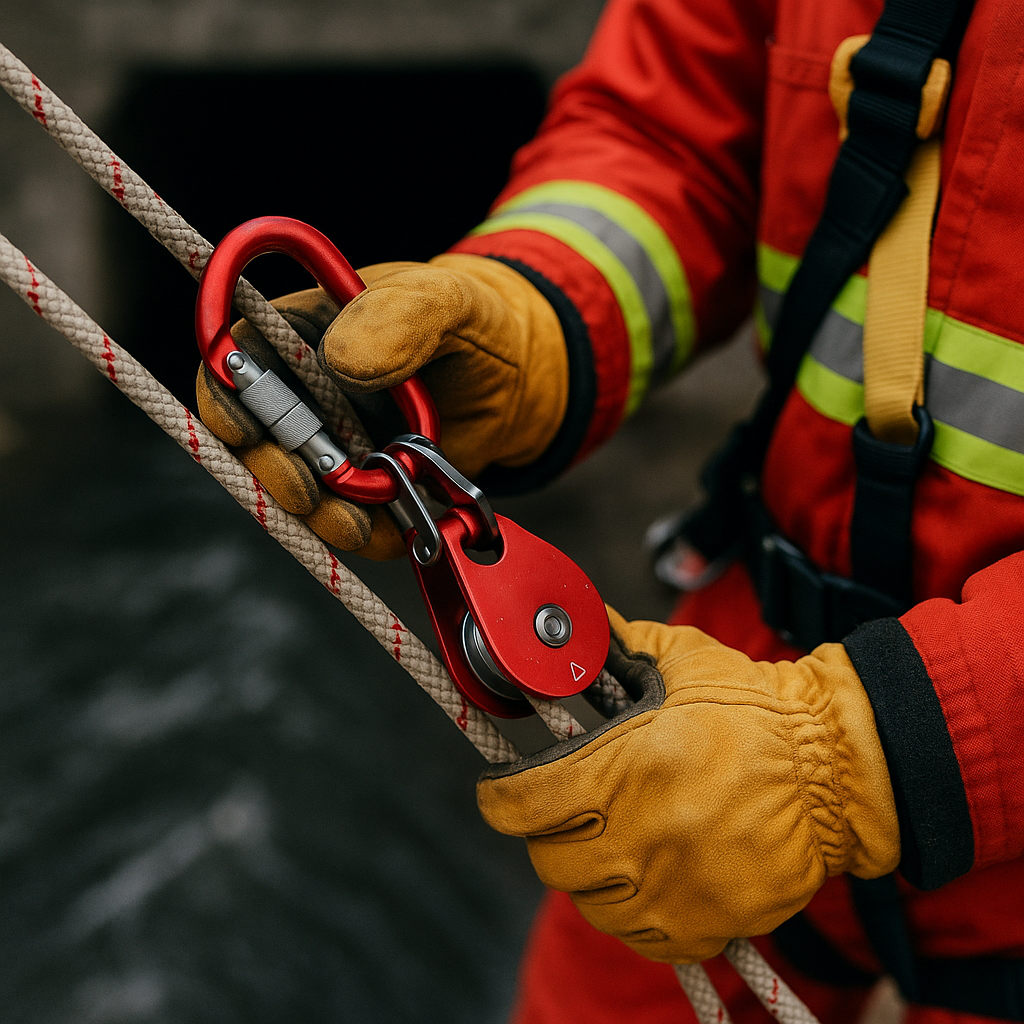
A 19-minute Pinelands Canal rescue turns a concrete culvert into a life-or-death arena for two trapped individuals.
In a heart-pounding 19-minute rescue, brave firefighters saved two people from a raging, flooded canal. Using special ropes and a stretcher, they quickly pulled the cold and trapped victims to safety. This amazing feat happened because of quick thinking and trained rescuers working against time and dangerous water. The canal, built for old weather, now faces stronger storms, making such rescues even more crucial.
How did rescuers save two people trapped in a flooded canal in Pinelands?
Rescuers executed a complex operation to save two people trapped in a rapidly flooding canal. They utilized specialized equipment, including a high-line system and a twin-tail Stokes litter, to extract the victims. The team worked quickly to combat rising water levels and hypothermia, successfully removing both individuals within minutes of their arrival.
Get Cape Town news in your inbox
Stay updated with the latest stories from the Mother City.
01:14 p.m. – The Call That Lit the Fuse
A foot-bridge over Forest Drive, Pinelands.
A beagle walker glances downstream and sees two heads vanish under the lip of the outlet sluice.
Sunday, 19 April 2026, 13:14:02 – her phone GPS nails the spot.
The canal, usually a sleepy ankle-deep gutter, is now a coffee-brown torrent lapping at rib-height.
Inside ninety seconds the alert slides into the Bellville fire station “tech-rescue” printer:
CONFINED SPACE – WATER RISE – 2 PERS TRAPPED
Barcode: R3-2026-109 – a tag that will cling to the patients until they walk out of hospital weeks later.
Platoon Commander Chantal April ignores Google Maps.
She unrolls a sun-bleached canal profile labelled “Elsieskraal System”.
Engineers poured the box-channel in the sixties: 2.4 m wide, 1.8 m high, a narrow steel walkway bolted to the left wall.
Lift the upstream sluice more than 40 % and the catwalk disappears; anything alive is flushed into a 30 m throat that pinches to 1.2 m.
That is exactly where the caller still stands, finger stabbing toward the darkness.
Engine 14 rolls up at 13:22.
Two crewmembers circle the structure for hazards; two others weave 30 kN polyester strops through the bridge expansion joints.
With no rock spikes or bollards on the smooth pre-cast walls, they add a “deadman” third anchor to the appliance tow-hitch.
The eight-kilonewton pre-load guarantees the edge line will hold even if rescuer plus both victims swing on the same rope.
13:25 – Racing the Rising Column
Water-depth probe: 1.1 m and climbing 7 cm every sixty seconds.
That equals twelve cubic metres per second – picture twelve thousand one-litre bottles streaking past in the time it takes to inhale.
Doppler radar shows a sun-bright storm cell parked over the Tygerberg Hills; the flood is rainfall that landed forty-five minutes ago.
Protocol demands two entrants and two belay minds.
Rope specialists Nontobeko “Toby” Mthembu and Ruan September draw the short straw.
Both finished the 80-hour NFPA 1006 course; both know 13 °C urban run-off gives a 30–60 min exhaustion window.
They slide into farmer-john wetsuits, add PFDs, full-body Class III harnesses, micro-racks on 11 mm static line.
Radios go into sandwich-seal bags – a hack born during the 2023 Kraaifontein flood.
13:28 – First Contact
Toby’s helmet cam streams to the command tablet.
The man is wedged sideways, water at his armpits; the woman hugs a rust-flaked handrail on the catwalk.
Fingers clawed, speech slurred – textbook moderate hypothermia.
Eighteen minutes have already ticked off their survival curve.
“Reach” is impossible, “throw” futile, “row” suicidal; the team jumps straight to “go”.
They tension a high-line four metres above the surface and drop a twin-tail Stokes litter – essentially an aerial tram that can skate both axes.
September pendulums across, clips a cow’s-tail to an ancient maintenance eye, and signals Toby to follow.
The aluminium stretcher, wrapped in a polythene cocoon to stop it turning into a bucket, comes in right behind.
Packaging and the Longest Pull
The woman can stand but cannot grip; rescuers sleeve her into the litter like a spinnaker, chest-harness holding her torso upright.
The man’s jacket is impaled on re-bar; Toby snaps trauma shears and slices him free while September cradles his neck.
A stick-on thermometer flicks from green to navy – core circa 32 °C.
They tuck in an iron-filing exothermic blanket liberated from yacht-racing kits and radio “ready haul”.
Bridge crew takes the strain: “Slow, thirty-percent.”
The litter glides 5 m up and 11 m sideways, dripping like a chandelier.
Paramedics strip wet clothes, spike 38 °C IV fluid, and shove the stretcher into the waiting ambulance.
The man is heavier; pulley ratio switches from 3:1 to 5:1.
Two minutes seven seconds later he, too, is clear.
Barcode R3-2026-109 closes at 13:41; the engine reels in ropes and departs at 13:47 – thirty-three minutes door to door.
The Hidden Hero: A Canal Built for Yesterday’s Weather
Concrete Witness to a Changing Climate
Newspapers celebrate the humans; the canal itself keeps its own score.
Planners drew the Elsieskraal system after the 1971 Christmas floods that parked cars in Paarden Eiland like abandoned bath toys.
Design brief: carry a “1-in-30-year” storm.
CSIR down-scaling (2024) says that benchmark now arrives every twelve years – the structure must do triple duty with a crank handle for a brain.
No telemetry, no webcam, no pressure transducer.
When engineers want flow data they still drive out and dip.
data triple score volume score surface area volume score surface area volume score score score score score score score score score score score score surface volume triple score triple score triple score triple score triple surface volume triple score triple surface volume triple score triple surface volume triple score triple surface volume triple score triple surface volume triple score triple surface volume triple score triple surface volume triple score triple surface volume triple score triple surface volume triple score triple surface volume triple score triple surface volume triple score triple surface volume triple score triple surface volume triple score triple surface volume triple score triple surface area triple score triple volume score triple score triple surface volume triple score triple surface area triple score triple volume score triple score triple surface volume triple score triple surface area triple score triple volume triple score triple surface volume triple score triple surface area triple score triple surface volume triple score triple surface area triple score triple volume score triple score triple surface volume triple score triple surface volume triple score triple surface volume triple score triple region triple volume score triple region triple surface area triple score triple volume score triple region triple surface area triple score triple region triple volume score triple Region triple score triple surface area triple score triple region triple volume score triple region triple surface area triple score triple region triple volume score triple surface area triple score triple region triple volume score triple Region triple score triple surface area triple score triple region triple volume score triple region triple score triple surface area triple score triple region triple volumeScore triple region triple score triple region triple score triple surface area triple score triple region triple volumeScore triple region triple volumeScore triple region triple volumeScore triple region triplevolumeScore triple region triplevolumeScore triple region triplevolumeScore triple region triplevolumeScore triple region triplevolumescoreScore triple region triplevolumeScore triple region triplevolumeScore triple region triplevolumescoreScore triple region triplevolumescoreScore triple region triplevolumescoreScore triple region triplevolumescoreScore triple region triplevolumescoreScore triple region triplevolumeScore triple region triplevolumescoreScore triple region triplevolumescoreScore triple region triplevolumescoreScore triple region triplevolumescoreScore triple region triplevolumeScore triple region triplevolumescoreScore triple region triplevolumescoreScore triple region triplevolumescoreScore triple region triplevolumescoreScore triple region triplevolumescoreScore triple region triplevolumescoreScore triple region triplevolumescoreScore triple region triplevolumescoreScore triple region triplevolumescoreScore triple region triplevolumescoreScore triple region triplevolumescoreScore triple region triplevolumescoreScore triple region triplevolumescoreScore triple region triplevolumescoreScore triple region triplevolumescoreScore triple region triplevolumescoreScore triple region triplevolumescoreScore triple region triplevolumescoreScore triple region triplevolumescoreScore triple region triplevolumescoreScore triple region triplevolumescoreScore triple region triplevolumescoreScore triple region triplevolumescoreScore triple region triplevolumescoreScore triple region triplevolumescoreScore triple region triplevolumescoreScore triple region triplevolumescoreScore triple region triplevolumescoreScore triple region triplevolumescoreScore triple region triplevolumescoreScore triple region triplevolumescoreScore triple region triplevolumescoreScore triple region triplevolumescoreScore triple region triplevolumescoreScore triple region triplevolumescoreScore triple region triplevolumescoreScore triple region triplevolumescoreScore triple region triplevolumescoreScore triple region triplevolumescoreScore triple region triplevolumescoreScore triple region triplevolumescoreScore triple region triplevolumescoreScore triple region triplevolumescoreScore triple region triplevolumescoreScoreScore triple region threevolumescoreScoreScoreScoreScoreScoreScoreScoreScoreScoreScoreScoreScoreScoreScoreScoreScoreScoreScoreScoreScoreScoreScoreScoreScoreScoreScoreScoreScoreScoreScoreScoreScoreScoreScoreScoreScoreScoreScoreScoreScoreScoreScoreScoreScoreScoreScoreScoreScoreScoreScoreScoreScoreScoreScoreScoreScoreScoreScoreScoreScoreScoreScoreScoreScoreScoreScoreScoreScoreScoreScoreScoreScoreScoreScoreScoreScoreScoreScoreScoreScoreScoreScoreScoreScoreScoreScoreScoreScoreScoreScoreScoreScoreScoreScoreScoreScoreScoreScoreScoreScoreScoreScoreScoreScoreScoreScoreScoreScoreScoreScoreScoreScoreScoreScoreScoreScoreScoreScoreScoreScoreScoreScoreScoreScoreScoreScoreScoreScoreScoreScoreScoreScoreScoreScoreScoreScoreScoreScoreScoreScoreScoreScoreScoreScoreScoreScoreScoreScoreScoreScoreScoreScoreScoreScoreScoreScoreScoreScoreScoreScoreScoreScoreScoreScoreScoreScoreScoreScoreScoreScoreScoreScoreScoreScoreScoreScoreScoreScoreScoreScoreScoreScoreScoreScoreScoreScoreScoreScoreScoreScoreScoreScoreScoreScoreScoreScoreScoreScoreScoreScoreScoreScoreScoreScoreScoreScoreScoreScoreScoreScoreScoreScoreScoreScoreScoreScoreScoreScoreScoreScoreScoreScoreScoreScoreScoreScoreScoreScoreScoreScoreScoreScoreScoreScoreScoreScoredetailScoreScoreScoreScoreScoreScoreScoreScoreScoreScoreScoreScoreScoreScoreScoreScoreScoreScoreScoreScoreScoreScoreScoreScoreScoreScoreScoreScoreScoreScoreScoreScoreScoreScoreScoreScoreScoreScoreScoreScoreScoreScoreScoreScoreScoreScoreScoreScoreScoreScoreScoreScoreScoreScoreScoreScoreScoreScoreScoreScoreScoreScoreScoreScoreScoreScoreScoreScoreScoreScoreScoreScoreScoreScoreScoreScoreScoreScoreScoreScoreScoreScoreScoreScoreScoreScoreScoreScoreScoreScoreScoreScoreScoreScoreScoreScoreScoreScoreScoreScoreScoreScoreScoreScoreScoreScoreScoreScoreScoreScoreScoreScoreScoreScoreScoreScoreScoreScoreScoreScoreScoreScoreScoreScoreScoreScoreScoreScoreScoreScoreScoreScoreScoreScoreScoreScoreScoreScoreScoreScoreScoreScoreScoreScoreScoreScoreScoreScoreScoreScoreScoreScoreScoreScoreScoreScoreScoreScoreScoreScoreScoreScoreScoreScoreScoreScoreScoreScoreScoreScoreScoreScoreScoreScoreScoreScoreScoreScoreScoreScoreScoreScoreScoreScoreScoreScoreScoreScoreScoreScoreScoreScoreScoreScoreScoreScoreScoreScoreScoreScoreScoreScoreScoreScoreScoreScoreScoreScoreScoreScoreScoreScoreScoreScoreScoreScoreScoreScoreScoreScoreScoreScoreScoreScoreScoreScoreScoreScoreScoreScoreScoreScoreScoreScoreScoreScoreScoreScoreScoreScoreScoreScoreScoreScoreScoreScoreScoreScoreScoreScoreScoreScoreScoreScoreScoreScoreScoreScoreScoreScoreScoreScoreScoreScoreScoreScoreScoreScoreScoreScoreScoreScoreScoreScoreScoreScoreScoreScoreScoreScoreScoreScoreScoreScoreScoreScoreScoreScoreScoreScoreScoreScoreScoreScoreScoreScoreScoreScoreScoreScoreScoreScoreScoreScoreScoreScoreScoreScoreScoreScoreScoreScoreScoreScoreScoreScoreScoreScoreScoreScoreScoreScoreScoreScoreScoreScoreScoreScoreScoreScoreScoreScoreScoreScoreScoreScoreScoreScoreScoreScoreScoreScoreScoreScoreScoreScoreScoreScoreScoreScoreScoreScoreScoreScoreScoreScoreScoreScoreScoreScoreScoreScoreScoreScoreScoreScoreScoreScoreScoreScoreScoreScoreScoreScoreScoreScoreScoreScoreScoreScoreScoreScoreScoreScoreScoreScoreScoreScoreScoreScoreScoreScoreScoreScoreScoreScoreScoreScoreScoreScoreScoreScoreScoreScoreScoreScoreScoreScoreScoreScoreScoreScoreScoreScoreScoreScoreScoreScoreScoreScoreScoreScoreScoreScoreScoreScoreScoreScoreScoreScoreScoreScoreScoreScoreScoreScoreScoreScoreScoreScoreScoreScoreScoreScoreScoreScoreScoreScoreScoreScoreScoreScoreScoreScoreScoreScoreScoreScoreScoreScoreScoreScoreScoreScoreScoreScoreScoreScoreScoreScoreScoreScoreScoreScoreScoreScoreScoreScoreScoreScoreScoreScoreScoreScoreScoreScoreScoreScoreScoreScoreScoreScoreScoreScoreScoreScoreScoreScoreScoreScoreScoreScoreScoreScoreScoreScoreScoreScoredetailScoreScoreSSSSSSSSSSSSSSSSSSSSSSSSSSSSSSSSSSSSSSSSSSSSSSSSSSS
Article
[{"question": "What was the '19-Minute Pinelands Miracle'?", "answer": "The '19-Minute Pinelands Miracle' refers to a rapid and successful rescue operation by firefighters who saved two people from a dangerously flooded canal in Pinelands. The entire operation, from the call to the victims being clear, took just 33 minutes, with the critical rescue phase happening within 19 minutes."}, {"question": "How were the two trapped individuals rescued from the canal?", "answer": "Rescuers employed a specialized technique involving a high-line system tensioned four meters above the water and a twin-tail Stokes litter. This allowed them to reach the victims, package them into the litter, and then haul them to safety using a pulley system, effectively creating an aerial tram to navigate the treacherous conditions."}, {"question": "What were the conditions like in the canal during the rescue?", "answer": "The canal, typically shallow, had become a 'coffee-brown torrent lapping at rib-height,' with water depths reaching 1.1 meters and rising at 7 centimeters per minute. The water was urban runoff at 13°C, posing a significant risk of hypothermia to the trapped individuals, who were already showing signs of moderate hypothermia."}, {"question": "When and where did this incident take place?", "answer": "The incident occurred on Sunday, 19 April 2026, at 13:14:02, in Pinelands, specifically in a canal over Forest Drive. The call to emergency services was made by a beagle walker who spotted the individuals in distress."}, {"question": "What challenges did the rescue team face during the operation?", "answer": "The rescuers faced several challenges, including rapidly rising and dangerous water levels, the risk of hypothermia for the victims, the confined space of the canal, and the lack of natural anchor points on the canal's smooth pre-cast walls. They had to improvise an anchor system using a 'deadman' third anchor to the appliance tow-hitch and work against a tight timeline due to the victims' deteriorating condition."}, {"question": "Why is the canal referred to as 'The Hidden Hero' and a 'Concrete Witness to a Changing Climate'?", "answer": "The canal, part of the Elsieskraal system, was designed in the 1960s to handle a '1-in-30-year' storm. However, due to climate change, that benchmark is now met every twelve years. This means the canal is performing 'triple duty' under conditions far more severe and frequent than its original design intended, highlighting its silent role in coping with increased rainfall and serving as a testament to the impacts of a changing climate, despite lacking modern monitoring systems."}]

Thabo Sebata is a Cape Town-based journalist who covers the intersection of politics and daily life in South Africa's legislative capital, bringing grassroots perspectives to parliamentary reporting from his upbringing in Gugulethu. When not tracking policy shifts or community responses, he finds inspiration hiking Table Mountain's trails and documenting the city's evolving food scene in Khayelitsha and Bo-Kaap. His work has appeared in leading South African publications, where his distinctive voice captures the complexities of a nation rebuilding itself.
View all articles →