
Hotel room dispute fuels Nigeria South Africa banter
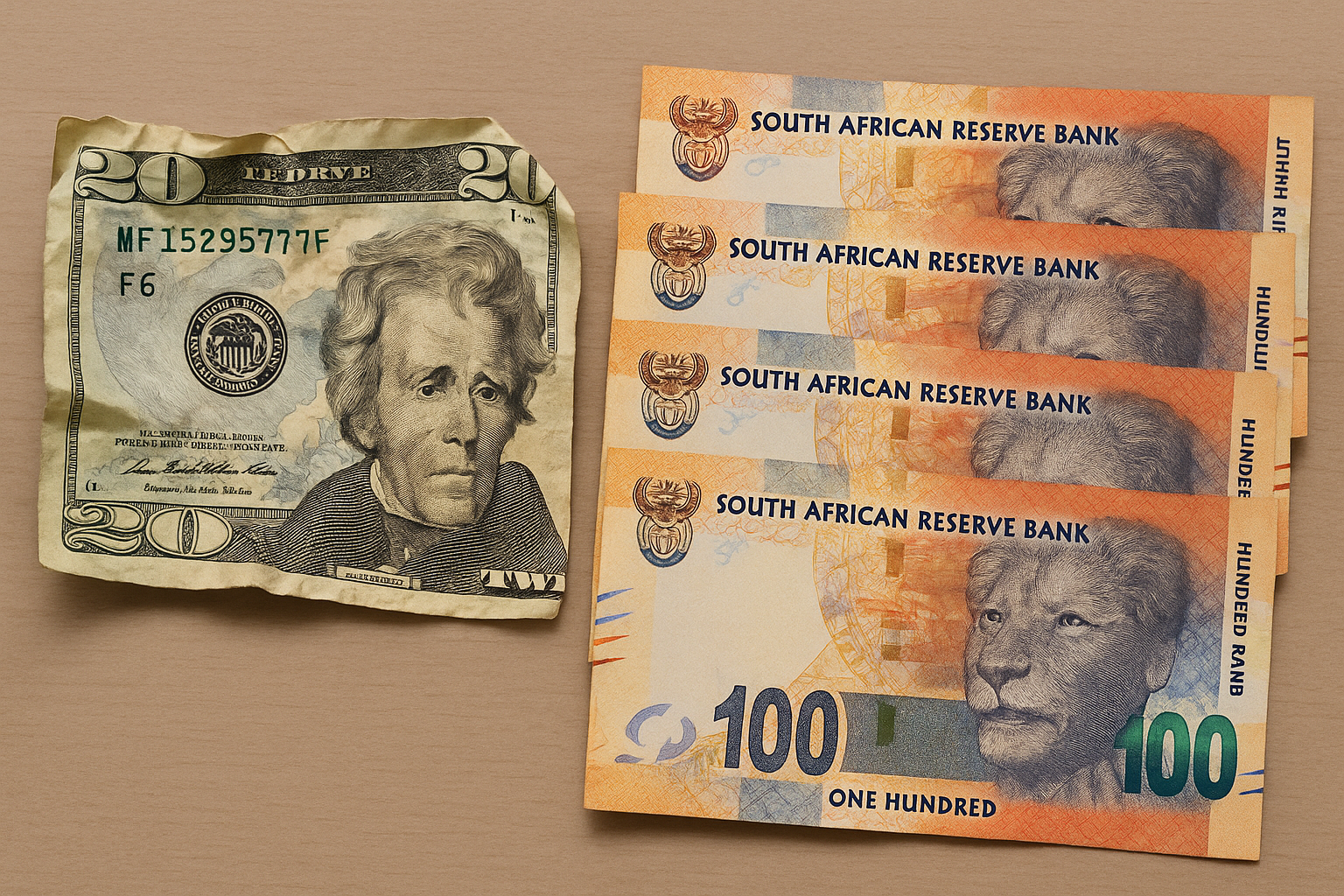
Viral video of a hotel room dispute over $20 (R400) ignites debates on migration, sex work, and economic survival in South Africa.
This clip shows a woman loudly demanding 20 bucks, or 400 rand, from a man in a hotel hallway. It quickly went viral, sparking huge arguments in South Africa about big problems like sex work, money struggles, and unfair treatment. People saw their own fears in the blurry video, turning a simple squabble into a national debate on difficult topics. It highlighted how short videos can make everyone talk about serious societal issues.
What is the "20-Dollar Demand" hotel clip about?
The "20-Dollar Demand" hotel clip features a woman demanding payment from a man in a hotel corridor, igniting a national debate in South Africa. The eight-second video, widely shared online, became a focal point for discussions on issues like sex work, xenophobia, gender violence, and socio-economic struggles in the country.
Get Cape Town news in your inbox
Stay updated with the latest stories from the Mother City.
The Eight-Second Fuse
A vertical phone frame steadies in a bland Cape-Town corridor. Seconds later a woman’s voice slices the humid silence: “I want my twenty bucks - four hundred rand - now.” The man holding the camera lifts a worn wallet, mutters “just leave,” and the footage dies. Eight fleeting seconds were enough to ignite South Africa’s timelines, stacking 2.4 million replays, 14 000 retweets and a hashtag battlefield still sizzling five days on. Neither face is fully visible, yet every watcher swears the scene is familiar.
The clip’s power lies in its stripped-down theatrics: no music, no caption, just raw bargaining in a fluorescent hallway. Viewers project entire life stories onto those blurry silhouettes, proving once again that the shorter the video, the larger the cultural mirror. In a country wrestling with job scarcity, migration fears and gender violence, the snippet feels like a street-play condensed into a GIF.
No one can confirm who hit “record.” Some guess it was a security guard; others insist the man filmed himself to shame the woman. That anonymity fuels speculation, letting online sleuths turn two strangers into national metaphors overnight.
The Corridor Outside the Frame
Night-shift receptionists recall that the third-floor passage reeked of cane-brandy and fake mosquito repellent when they walked past at 02:17. The guest had checked in with a Lagos passport but swiped a Ghanaian debit card; the lady told the clerk she was “visiting family.” Those boring fragments matter because they slot neatly into every anxiety that later detonated online: foreign nationals, cash-in-hand deals, sex work, and the suspicion that somebody is gaming the system.
Housekeeping logs show the do-not-disturb hanger dangled on the knob for six hours. Inside, staff found an empty foil square under the bed and a towel soaked in baby-oil - evidence of nothing dramatic to them, yet social-media prosecutors framed each item as Exhibit A. Routine hotel wear-and-tear morphed into symbols of moral collapse once the clip circled the globe.
For the manager on duty, the headache was occupancy, not morality. One room off-line equals roughly one thousand rand in lost revenue, so staff are trained to solve problems with hushed tones and complimentary sodas. Their unwritten policy turns every corridor into a private courtroom where money, not law, delivers verdicts.
Rand, Dollar and Micro-Economics of a Short-Stay
Cape Town’s pay-by-the-hour lodges huddle within a short stroll of the city’s two biggest bus depots. A four-hour double slot runs R380; a lobby vending machine condom costs R10. Return taxi fare can swallow another R120, pushing a night’s break-even past R500 before the worker buys food or secures her own bed. Viewers who mocked “just R400” misread the ledger: the demand was for damage-limitation, not profit.
SWEAT’s 2024 survey of 1 100 city sex workers shows street-based sessions average R150, brothels R350, and hotel or app escorts R600–R1 200 an hour. The aggrieved woman’s tariff sat between street and brothel bands, signalling an attempt to climb a rung in an illegal caste system. Accepting R200, as the man seemed to offer, would shove her below even curb-side rates, hence the stand-off.
Add the invisible tax of police shakedowns. Patrol officers routinely confiscate condom caches as “proof of intent to sell sex,” forcing workers to repurchase protection every night. The R400 therefore doubles as an insurance premium against illness, clinic queues and legal fines - expenses most nine-to-five workers never tally.
When Statutes Collide with Street Realities
The 1957 Sexual Offences Act still labels paid intercourse a crime, and 2007 amendments expanded the dragnet to include “living off earnings” and digital flirting. A 2025 prosecutorial memo, however, tells state attorneys to freeze non-violent sex-work cases while the Constitutional Court weighs constitutionality. The outcome is a greyzone where officers may raid, threaten or seize, yet courts often toss the docket.
Both protagonists understand this legal limbo. Their hushed argument is shaped less by chapter-and-verse than by the metallic taste of handcuffs. The clip itself is a portable tribunal: her opening statement, his reluctant reply, millions of strangers appointed jury. Ironically, the same video that outs exploitation also archives infractions immigration agents can mine later.
Meanwhile the hospitality industry profits in the shadows. Revenue managers quietly celebrate the “double-shift room” sold first to a business guest at night, then to a short-stay couple by day, pushing nominal occupancy above 100 percent. Housekeeping codes damage as “standard wear,” bills the last credit card, and looks away. The viral dispute is merely a spill from a hidden pipeline of laundered rent.
Across timelines, the footage splintered into three warring camps: moral avengers chanting deportation, libertarian accountants quoting contract law, and feminist ethnographers pointing to cracked phone screens and cheap wigs as evidence of structural oppression. Brands jumped aboard within hours; a pizza chain offered a “R400 deal, no arguments,” then retreated amid backlash.
By the end of the week, the woman’s pixelated face had become a Rorschach test for xenophobia, sexism and class rage. Search spikes showed “R400 to dollar” leapt 800 percent; memes christened the man “Oga Dollar” and the woman “Rachel Remittance.” Their fifteen minutes of infamy now sit in algorithmic perpetuity, waiting to ambush future employers or lovers who care to Google.
And still the corridor cycle renews itself. Early Saturday, security hears fresh shouting from a different room, remembers the national furore, and stays seated: “Let them sort themselves out.” Supply of desperation is endless; demand for secrecy remains inelastic. Until parliaments, hotels and police choose clarity over profitable ambiguity, the negotiation will migrate to the next doorway, the next phone screen, the next eight seconds of grainy immortality.
What is the "20-Dollar Demand" hotel clip about?
The "20-Dollar Demand" hotel clip features a woman loudly demanding 20 bucks, or 400 South African Rand, from a man in a hotel hallway. This eight-second video quickly went viral, sparking a national debate in South Africa about significant societal issues such as sex work, xenophobia, gender violence, and socio-economic struggles.
Why did the eight-second clip go viral and spark national arguments?
The clip's brevity and raw portrayal of a contentious exchange allowed viewers to project their own fears and interpretations onto the blurry figures. In a country grappling with job scarcity, migration fears, and gender-based violence, the video became a condensed representation of these complex issues, turning a simple squabble into a national discussion. The anonymity of the individuals involved also fueled speculation and allowed them to become metaphors for broader societal problems.
What details emerged about the hotel setting and the individuals involved?
Night-shift receptionists noted the third-floor passage smelled of cane-brandy and fake mosquito repellent. The man had checked in with a Lagos passport using a Ghanaian debit card, while the woman claimed to be "visiting family." Housekeeping logs indicated a "do-not-disturb" sign for six hours, and staff later found an empty foil square and a baby-oil-soaked towel. These seemingly mundane details were later interpreted by social media users as evidence related to the larger issues debated.
What are the micro-economics behind the woman's R400 demand?
Cape Town's short-stay lodges charge around R380 for a four-hour double slot. With additional costs like a R10 condom from a vending machine and R120 for return taxi fare, a sex worker's break-even point can exceed R500 before accounting for food or personal accommodation. The R400 demand, therefore, was not for profit but rather an attempt to cover these expenses and avoid falling below even street-based rates, which average R150.
How do existing laws impact sex work in South Africa?
The 1957 Sexual Offences Act criminalizes paid intercourse, and 2007 amendments expanded this to include "living off earnings" and digital flirting. However, a 2025 prosecutorial memo advises state attorneys to temporarily halt non-violent sex-work cases while the Constitutional Court reviews the law's constitutionality. This creates a legal grey area where sex workers face potential raids and threats from police, even though courts often dismiss these cases.
What broader societal issues did the clip highlight?
The clip became a Rorschach test for various deep-seated issues in South Africa, including xenophobia (due to speculation about the man's nationality and the woman being perceived as a sex worker), sexism, and class rage. It also exposed the hidden profitability of the hospitality industry from short-stay arrangements and the challenges faced by sex workers, including police shakedowns and the need to cover significant expenses to simply operate.

Aiden Abrahams is a Cape Town-based journalist who chronicles the city’s shifting political landscape for the Weekend Argus and Daily Maverick. Whether tracking parliamentary debates or tracing the legacy of District Six through his family’s own displacement, he roots every story in the voices that braid the Peninsula’s many cultures. Off deadline you’ll find him pacing the Sea Point promenade, debating Kaapse klopse rhythms with anyone who’ll listen.
View all articles →