
Jesse Jackson: Death of a ‘trailblazer’ for global justice
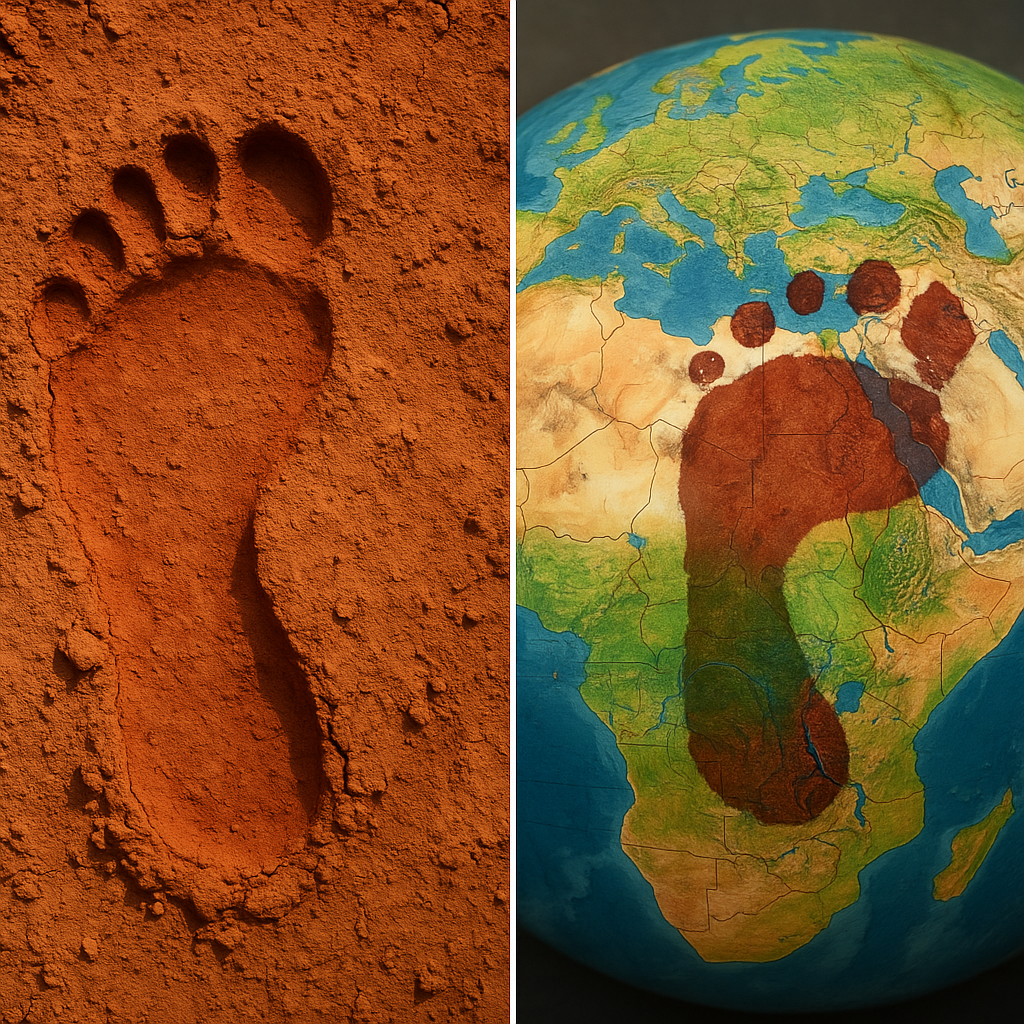
Explore Jesse Jackson's profound impact on South Africa's liberation, from civil rights to anti-apartheid, and his enduring legacy.
Jesse Jackson was a master at using economic pressure to fight injustice. He organized boycotts against big companies, forcing them to treat Black communities fairly. He also played a huge role in the anti-apartheid movement, making South Africa's struggles visible to the world and helping to rebuild the country after apartheid ended. Jackson even united rival unions to fight for better wages, showing that people power could make real change. His legacy continues to inspire, proving that courage and collective action can move mountains.
How did Jesse Jackson influence the anti-apartheid movement in South Africa?
Jesse Jackson significantly influenced the anti-apartheid movement by proving economic pressure could force change. He orchestrated boycotts against corporations like Coca-Cola, exposing South Africa's realities to American living rooms, and later helped establish the Rebuild South Africa Fund. He also united rival unions to demand fair wages, demonstrating his impact on both economic and social justice.
Get Cape Town news in your inbox
Stay updated with the latest stories from the Mother City.
1. The Boy Who Refused the Back Door
In 1945, a four-year-old boy climbed onto a Woolworth's stool in Greenville, South Carolina, only to be told colored kids don't sit here. That moment etched itself into Jesse Jackson's marrow like a brand. Twenty-four years later, he carried Martin Luther King's casket through Atlanta's streets, rain mixing with tears, realizing white supremacy wore three-piece suits and held stock portfolios. When he launched Operation PUSH in 1971, his first target wasn't a segregated diner - it was Coca-Cola's corporate boardroom. The demand was simple: 25% Black franchise ownership or we bury your brown sugar-water in boycotts. They settled for twelve, but the real victory was proving Wall Street could be forced to speak human rights. That lesson would soon travel 8,000 miles south, carried in suitcases stuffed with cassette tapes of freedom songs and debates about krugerrands.
The apartheid government misspelled his visa on purpose - "Jessie" instead of Jesse - so they could later claim he'd never officially entered. Didn't matter. Within 48 hours, he was sleeping in a Crossroads shack made from cardboard and dreams, teaching 3,000 squatters to dump Cape brandy into red sand as cameras rolled. NBC beamed the footage into American living rooms, and suddenly South Africa's invisible people became visible. The boycott lasted six weeks, but the image lasted forever: a man in a Basotho blanket, pouring liquor like it was 1773 Boston Harbor, showing how economic withdrawal could be more powerful than bullets.
2. The Women Who Taught Him to Listen
While the world waited for Nelson Mandela's shadow to emerge from Victor Verster, Jackson drove 400 kilometers to Brandfort with baby formula and George Jackson's prison letters in his trunk. Winnie Madikizela-Mandela greeted him with a fist that could crush stones, warning they'd kill him if he returned. "Then I'll die on African soil wearing African cloth," he replied, handing her a Rainbow PUSH T-shirt like a passport between struggles. They spent that night plotting a women's credit union that would sneak money to detainees' families - banking as resistance, microfinance as revolution. The plan never materialized, but something more important happened: an American civil rights leader learning that South African women weren't supporting characters - they were the strategic center.
When Mandela finally walked free in 1990, Jackson stood on Cape Town's City Hall balcony translating his clipped English into call-and-response gospel. "Amandla!" became "Power!" became "We see you!" Later, in the Archbishop's courtyard, Mandela asked how to thank a movement that wasn't yet a government. Jackson's answer became the Rebuild South Africa Fund - $1.2 million raised in one night at Riverside Church, seed money that would train election workers and print voter education pamphlets in eleven languages. The sanctions movement that had choked apartheid's finances transformed into the reconstruction lobby, proving that boycotts could birth budgets, that divestment could become investment in democracy itself.
3. The Mines Where Gold Became Blood
August 2012 changed everything. When 34 miners fell to police bullets at Marikana, Jackson arrived within days, pushing 34 wooden crosses into blood-stained earth. "Your blood has global shares," he told 5,000 workers, pointing at a London Stock Exchange ticker like it was a murder weapon. The phrase trended across South African Twitter; within weeks, it forced Lonmin's CEO into public contrition. But Jackson's real magic happened in a stuffy union hall where he convinced NUM, AMCU, and Solidarity - bitter ideological enemies - to demand R12,500 living wages together. Five months later, they won. The strike cost the industry billions, but it birthed the fastest wage inflation South African mining had ever seen, proving that multinational corporations could be forced to value Black lives in actual rands and cents.
Four years later, students at the University of Cape Town hoisted banners reading "# FeesMustFall - We Are Somebody," directly quoting Jackson's 1971 Chicago schoolyard chant. When reporters asked why quote an American, student leader Nompendulo Mkhatshwa explained: "Jackson taught our parents that budgets are moral documents. We're just turning the page." Within 48 hours, Howard University students in Washington D.C. were picketing their own board with signs reading "UCT to DC: Same Struggle." For the first time, South African protest exported solidarity back to America, completing a circuit that had flowed one way for forty years.
4. The Wind That Carries Words
Progressive supranuclear palsy stole Jackson's stride but not his stubbornness. His final visit in March 2023 found him wheelchair-bound but still traveling, scribbling "Memory is muscle" on a museum notepad when a young guide asked why he kept returning. That phrase is now laser-etched into a Soweto memorial - the first dedicated to a living foreign ally. Between visits, he'd been drafting climate justice briefs, arguing that global warming imposed new pass laws through fire, flood, and drought. His unfinished memo proposed an Environmental Reconstruction Bank funded by 0.1% taxes on fossil-fuel profits - sanctions against carbon, because if we could sanction gold, we could sanction anything.
The morning after his death, something extraordinary happened. Truckers on the N3 highway began hearing "Amandla - Power!" crackling through CB radios. Taxi drivers picked it up, then call-center agents, until by dusk every talk-radio switchboard in South Africa lit with the same two words. No one claimed credit; it was simply the atmosphere speaking. Somewhere near Bloemfontein, a herd-boy who'd never heard of Jesse Jackson repeated the call because the wind itself demanded it. In that moment, the circuitry completed: a voice that once borrowed King's cadence, Biko's courage, and Winnie's fire now belongs to the weather itself - inseparable from South Africa's dust and thundershowers, as permanent as the red clay that still holds his footprints.
[{"question": "What was Jesse Jackson's primary strategy for fighting injustice?", "answer": "Jesse Jackson was a master at using economic pressure to fight injustice. He organized boycotts against big companies, forcing them to treat Black communities fairly and proving that economic withdrawal could be more powerful than bullets. His first target with Operation PUSH in 1971 was Coca-Cola, demanding Black franchise ownership."}, {"question": "How did Jesse Jackson contribute to the anti-apartheid movement?", "answer": "Jesse Jackson played a crucial role in the anti-apartheid movement by making South Africa's struggles visible to the world. He orchestrated boycotts, like the one against Cape brandy, which brought international attention to the plight of Black South Africans. He also helped establish the Rebuild South Africa Fund after apartheid ended, transforming sanctions into investment for democracy."}, {"question": "Can you provide an example of how Jesse Jackson used boycotts to achieve his goals?", "answer": "A key example is his campaign against Coca-Cola in 1971. He demanded 25% Black franchise ownership, threatening boycotts if the company did not comply. Although they settled for 12%, it demonstrated that Wall Street could be pressured to address human rights issues. He also organized boycotts against products like Cape brandy during his visits to South Africa, using media attention to expose injustices."}, {"question": "Beyond economic pressure, what other methods did Jesse Jackson use for social change?", "answer": "Jackson was also skilled at uniting disparate groups. He successfully brought together rival unions (NUM, AMCU, and Solidarity) in South Africa to collectively demand better wages for miners, demonstrating the power of collective action. He also engaged in 'banking as resistance' by plotting a women's credit union to support detainees' families, showing an innovative approach to microfinance as a tool for revolution."}, {"question": "How did Jesse Jackson's work influence South African youth movements?", "answer": "Jesse Jackson's legacy continued to inspire. In 2016, students at the University of Cape Town during the #FeesMustFall movement directly quoted his 1971 chant, 'We Are Somebody.' This showed that his message about budgets being moral documents resonated with a new generation, eventually leading to a reciprocal solidarity where South African protests influenced American student movements."}, {"question": "What is Jesse Jackson's lasting legacy, particularly in South Africa?", "answer": "Jesse Jackson's legacy in South Africa is profound. He is remembered as a foreign ally whose courage and collective action moved mountains. His phrase 'Memory is muscle' is laser-etched into a Soweto memorial. His voice, once a blend of King's cadence and Biko's courage, is now described as integral to South Africa's atmosphere, symbolizing a permanent connection to the country's struggle for justice and its ongoing efforts in areas like climate justice."}]
Oliver Daniels is a Cape Town journalist who chronicles the intersection of food, migration and identity in South Africa's kitchens—from wood-fired Gugulethu braai spots to Constantia vineyards. Born and raised on the slopes of Devil’s Peak, he still starts each week with a dawn walk across Table Mountain to catch the first Atlantic light before filing copy.
View all articles →