
Winde calls for better resourcing during Kraaifontein SAPS oversight visit
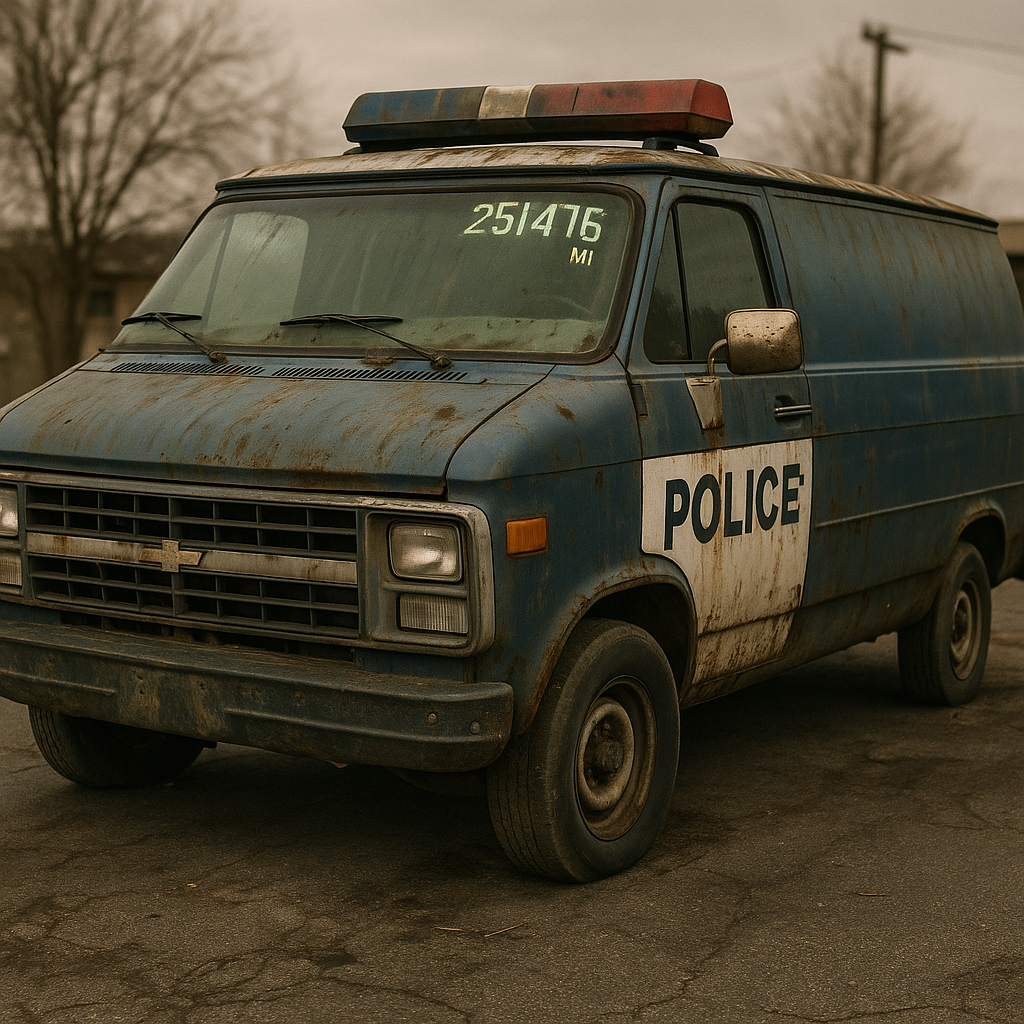
Premier Winde's unannounced visit to Kraaifontein Police Station reveals a shocking state of decay, under-resourcing, and crime surge.
Kraaifontein Police Station is falling apart, like a forgotten building. They don't have enough cars, and the ones they have are old. Their computers are broken, and they don't have enough police officers. This makes it super hard for them to stop bad guys, and crime is getting worse. It's a sad situation for the people who live there.
What is the current state of Kraaifontein Police Station?
Kraaifontein Police Station is in a critical state due to severe neglect, with issues including dilapidated infrastructure, a shortage of roadworthy vehicles, outdated technology, and understaffing. These problems significantly hinder their ability to combat rising crime rates in the area.
Get Cape Town news in your inbox
Stay updated with the latest stories from the Mother City.
- A 90-minute surprise inspection turns into a provincial crisis map*
1. The Unscripted Arrival
At 08:17 Premier Alan Winde scribbled his name in the battered occurrence book and asked for the morning fleet sheet before the duty manager had finished saying “Good morning, sir.” Only seven of twenty-two vans were roadworthy; four of those were already booked to shuttle witnesses to court. When the premier demanded a show of hands from anyone who had driven a vehicle with more than 280 000 km on the odometer that week, every arm in the muster room shot up.
The visit was sparked by a viral WhatsApp voice note pleading, “Come smell the blood on 11th Avenue.” Kraaifontein, a 30-square-kilometre patch of northern Cape Town, had recorded 387 contact crimes between January and March, a leap of almost a fifth on the previous year. A fourteen-year-old girl is still in Tygerberg ICU after being caught in Junkies-versus-Spookies cross-fire; the bullet-scarred KFC wall has turned into a grim selfie spot.
Winde refused the customary coffee and hand-shake circuit. Instead he tugged a detective’s docket from a pile and used its back cover as a clipboard. Brigadier Hansel Joseph had two minutes to gather shift commanders; the tour began while the overnight shift was still signing off.
2. Decay by Design – Inside the Station
Holding cells meant for thirty-two currently house forty-seven
Grey water covers the floor; a single plastic bucket serves as the female awaiting-trial toilet because the plumbing gave up in February. Premier Winde knelt, lifted the grill and asked whether the bottle of Jik in the corner was for hygiene or to prevent suicides. The wry answer - “Both, sir” - was entered into a provincial inspection app.
Exhibits and desks buckle under the weight of neglect
Upstairs, the visible-polisie room doubles as evidence locker. More than seven-hundred sealed bags - tik pipes, pistols, parcels of powder - bow ageing chipboard shelves. The 2019 docket scanner donated by the Belgian consulate is a paperweight; the required toner cartridge (R312) has been on back-order for half a year. Nine detectives share four desks; bread bags shield keyboards from cockroaches.
Infrastructure money exists, but paperwork paralyses it
A 2023/24 provincial allocation of R198 million for police upgrades is largely untouched: only R43 million reached stations. Anything above R500 000 needs fourteen months of National Treasury blessing. Kraaifontein’s new charge-office bid - R28 million, first submitted in 2019 - has never moved past “technical review” because a site-inspection flight was cancelled during Covid and never rescheduled.
3. Technology, Fleet and the Thin Blue Line
CCTV black-out
A R4,8 million City grant paid for camera poles in 2021, but Vumatel’s fibre line lies dormant over a R1 200 monthly subscription in arrears. Eight monitors stare blankly at two bar stools; the last crime heat-map print-out is dated August 2023. A crashed DJI Mini drone, once donated by a private security firm, gathers dust on top of a locker.
Kilometres instead of patrols
Fleet records reveal four vans past 400 000 km; one NP200 pickup now houses a patched-in Nissan Almera engine. Keys dangle from a nail because the electronic safe shorted during load-shedding. April’s log shows sixty-two percent of patrol requests denied for “no wheels.” Provincial Treasury confirms that R1,3 billion in vehicle funds were returned unspent to National Treasury last year; Kraaifontein feels the pinch every shift.
Human capital haemorrhage
The precinct’s officer-to-citizen ratio is 1:560, far above the national 1:375. Eleven posts sit vacant; stress-related sick leave has removed fourteen more. Overtime payments lag four months, so members essentially pay for petrol to answer calls. A constable points to a calendar still on December 2023 when asked about her last full weekend off.
4. Community Grit, Gang Chessboards and a Selfie That Shook Pretoria
Volunteers keep the stoep-toll alive
CPF chair Lucinda Evans arrived with 2 314 fresh signatures. Her neighbourhood-patrol Quantum was condemned at 470 000 km; volunteers now burn their own petrol and share pin-drops instead of radio codes because drug dealers jam the channel with R200 Baofeng handsets.
Gangs franchise school quadrangles
The Junkies (120 members, R500 entry fee, broken-syringe tattoo) and the 28s-splinter Spookies recruit twelve-year-olds with free tik rocks. A Grade-9 girl was caught with eighty-seven heroin straws in her hockey socks; her docket has already vanished once.
Premier loads a selfie, Pretoria loads a statement
Before leaving, Winde posted a photo with Aaliyah September - who had queued since dawn to certify a protection order - captioned: “Remote work isn’t a perk; it’s survival.” It trended number one within forty-five minutes; the national Commissioner’s office promised a “holistic review” at 23:59. Residents greeted the pledge with silence; they have learnt that “holistic” usually means photocopies and press releases.
- What comes next*
A thirty-day Teams “war room” is counting down. Targets: lift vehicle availability above eighty percent, cut average response below eight minutes, shave contact crimes by twenty percent before December. Whether Treasury waivers, digital signatures and open-source crime dashboards can outrun the decay will decide if Kraaifontein becomes a turnaround tale - or another entry in South Africa’s thick catalogue of almosts.
What is the current state of Kraaifontein Police Station?
Kraaifontein Police Station is in a critical state due to severe neglect, with issues including dilapidated infrastructure, a shortage of roadworthy vehicles, outdated technology, and understaffing. These problems significantly hinder their ability to combat rising crime rates in the area. A surprise inspection by Premier Alan Winde revealed only 7 out of 22 vans were roadworthy, and holding cells designed for 32 people housed 47.
What are the main issues affecting the Kraaifontein Police Station's operations?
The station faces multiple challenges including a severe shortage of operational vehicles (many with over 280,000 km), broken computers and a non-functional docket scanner due to a lack of a toner cartridge, understaffing (officer-to-citizen ratio of 1:560 compared to the national 1:375), and neglected infrastructure such as holding cells with broken plumbing and overflowing grey water. Financial mismanagement also plays a role, with significant provincial allocations for upgrades remaining largely untouched due to bureaucratic hurdles.
How does the lack of resources impact crime fighting in Kraaifontein?
The severe lack of resources makes it extremely difficult for the police to effectively combat crime. For instance, 62% of patrol requests were denied in April due to a lack of vehicles. Outdated technology, like a dormant CCTV system due to an unpaid subscription, further cripples their ability to monitor and respond to criminal activity. This environment allows crime to escalate, as evidenced by a nearly 20% leap in contact crimes between January and March.
What specific infrastructure problems were identified during the inspection?
During the inspection, it was found that holding cells designed for 32 individuals were housing 47, with broken plumbing requiring a single plastic bucket for a toilet. The visible policing room doubles as an evidence locker with shelves buckling under the weight of over 700 sealed bags of evidence. A 2019 docket scanner is non-functional due to a missing toner cartridge, and nine detectives share only four desks, with keyboards protected by bread bags from cockroaches.
What efforts have been made to address the station's issues, and what are the obstacles?
While a 2023/24 provincial allocation of R198 million for police upgrades exists, only R43 million reached stations due to bureaucratic hurdles; anything above R500,000 requires 14 months of National Treasury approval. A R28 million bid for a new charge office, submitted in 2019, is stuck in

Aiden Abrahams is a Cape Town-based journalist who chronicles the city’s shifting political landscape for the Weekend Argus and Daily Maverick. Whether tracking parliamentary debates or tracing the legacy of District Six through his family’s own displacement, he roots every story in the voices that braid the Peninsula’s many cultures. Off deadline you’ll find him pacing the Sea Point promenade, debating Kaapse klopse rhythms with anyone who’ll listen.
View all articles →