the ultimate mother city guide








Cape Town News
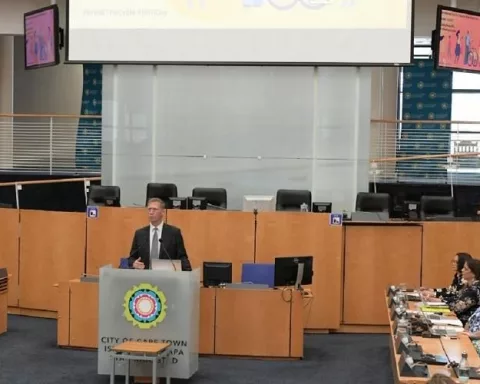

Being prepared and aware of disaster risks is crucial in mitigating their impact, as climate change has the potential to cause severe weather events that expose vulnerable populations to disasters. Effective strategies can be devised by recognizing the connection between inequality and disaster risk and fostering resilience through communitybased risk assessments, disaster planning, and collaboration among government, NGOs, the private sector, and humanitarian partners. Through heightened awareness and knowledgesharing, a more resilient future for all can be built. This was emphasized at the Disaster Risk Management Centre’s seminar in Cape Town commemorating the United Nations International Day for Disaster Risk Reduction.

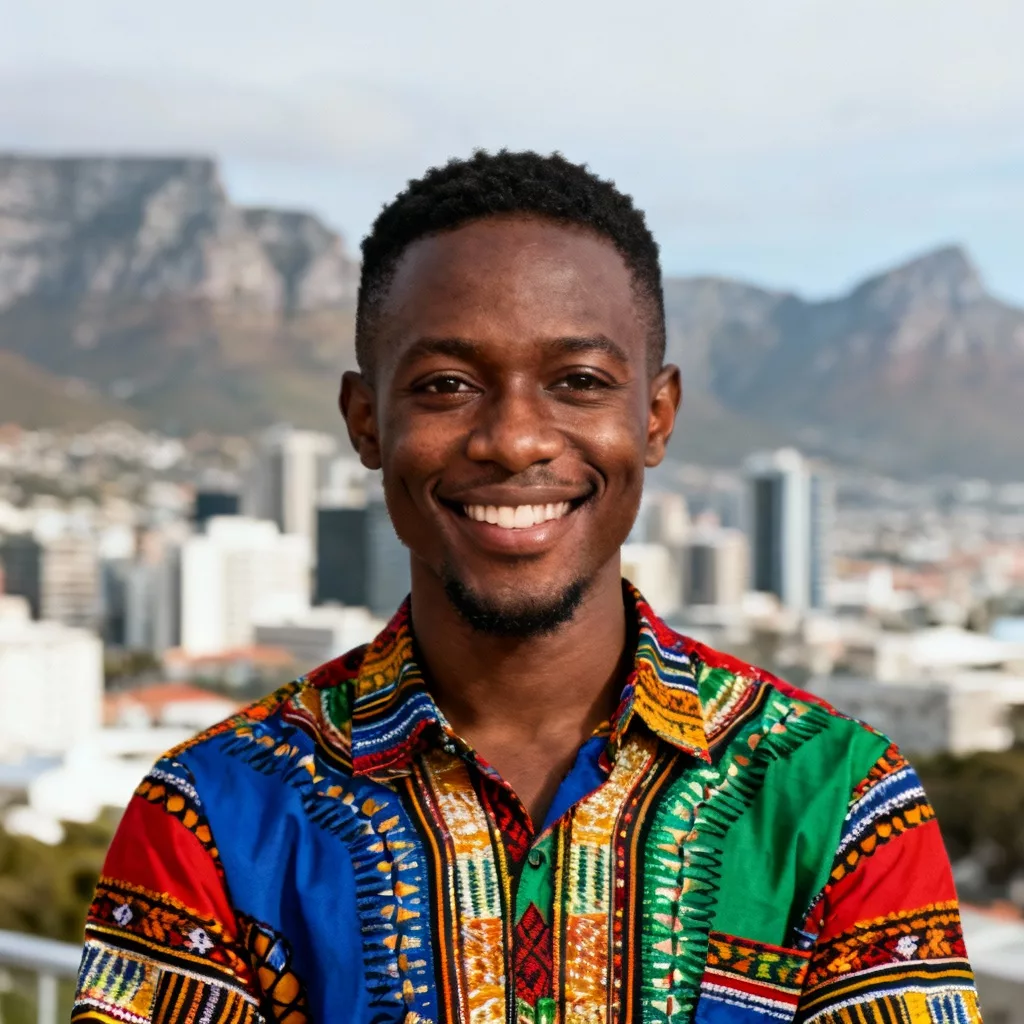
The National School of Government (NSG) is celebrating its 10year anniversary with a range of activities and events showcasing its contributions to building public sector capacity in South Africa. Over 526,000 participants have benefited from its training programs, generating more than R1 billion in course fee revenue. The NSG has hosted highimpact engagements and demonstrated good governance and financial management through consecutive years of unqualified and clean audits, while effectively navigating the challenges presented by the COVID19 pandemic and increasing online enrolments for eLearning courses. Its efforts align with the South African government’s decision to prioritize the development of a capable, ethical, and developmental state.


Cape Town’s beloved Kloof Road has been declared offlimits to the public for at least the next 12 months due to severe landslides caused by a level nine storm event. The City is working with a civil engineering geotechnical specialist to assess the damage and devise appropriate repairs, with estimated timelines of 12 to 18 months before the road can fully reopen. The closure presents an opportunity to rediscover other historic streets and landmarks and emphasizes the importance of investing in infrastructure and adapting to changing climates.

SARS and law enforcement agencies in South Africa conducted a search and seizure operation in five provinces, aiming to dismantle an elaborate criminal network of coalsmugglers responsible for the energy crisis and load shedding in South Africa. The operation was initiated by SARS after discovering numerous tax crimes allegedly perpetrated by members of the coalsmuggling network. The accused coalsmugglers and their associated entities are known to be operating in Gauteng, Mpumalanga, KwaZuluNatal, the Free State, and Limpopo. The success of this operation is due to the remarkable intergovernmental collaboration and information sharing.


The public’s involvement is crucial in shaping regulations that protect the nation’s threatened species and cultivates a stronger connection with their natural surroundings. The South African government is seeking public feedback on draft regulations and lists related to threatened or protected land and freshwater species. The consultation period is open for 30 days, and feedback can be submitted by mail, handdelivered or email. The Department of Forestry, Fisheries, and the Environment is dedicated to a transparent and inclusive decisionmaking process to safeguard South Africa’s rich natural heritage for future generations.
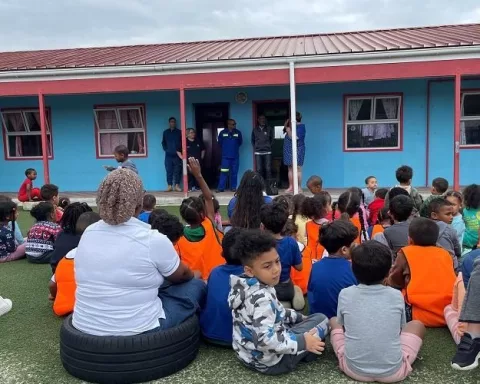

Children from the Strandfontein Early Childhood Development center in South Africa recently took part in a litter pickup event as part of Cape Town’s SpringCleanCT campaign. The initiative encourages community participation in neighborhood cleanups and offers rewards for tipoffs leading to convictions for illegal dumping. The involvement of young children in the campaign highlights the importance of instilling environmental consciousness and accountability from a young age, with the hope that they will carry this sense of responsibility throughout their lives.

Cape Town is fighting against infrastructure vandalism and theft to protect essential assets that ensure lighting, safety, and security for its residents and visitors. The City has a zerotolerance stance against criminal conduct and has established several preventative initiatives to pinpoint and reinforce infrastructure hotspots. The City encourages public participation by providing rewards for information that leads to arrests or the seizure of stolen and illicit goods. Thanks to the combined efforts of committed teams, Cape Town is determined to defend its infrastructure from vandalism and theft, ensuring the welfare of its people.

The Mini Galaxy flower, once thought extinct, has been rediscovered in the Nuwejaars Wetlands Special Management Area in South Africa. The yellow flower blooms for only a few hours after rain and grows in dangerous locations such as road verges, making conservation efforts challenging. The area in which the Mini Galaxy was found is of significant ecological importance, containing nearly 50% of all remaining Agulhas Sand Fynbos and 20% of Agulhas Limestone Fynbos worldwide, both of which are critically endangered.


Saldanha Bay, a town in South Africa, is taking a bold step towards energy security by issuing a groundbreaking tender for independent power producers to establish power generation plants, providing a consistent supply of approximately 100 MW of electricity. The project aims to supply electricity to the town’s power grid within three years and consists only of gas and renewable energy sources, highlighting the town’s commitment to sustainability and fighting climate change. The tender represents a turning point for Saldanha Bay and energy policy in South Africa, serving as a beacon of hope and inspiration for others to follow.
Deputy Minister Bernice Swarts led the signing ceremony of the Dr. Kenneth Kaunda District Development Model (DDM) One Plan document in the North West Province on October 16, 2023. The DDM One Plan is a government initiative aimed at enhancing integrated planning and service delivery across the three spheres of the South African government. The signing of this document marks the start of a new era in the North West Province, with government departments and other stakeholders pledging to work together to ensure effective service delivery and bring transformative change to the region.


The government will invest R3.5 billion to introduce new vaccines, including a derivative vaccine and a combination vaccine, while COVID19 vaccinations will now be integrated into routine primary health care services. South Africa’s National Health Council Meeting covered various topics, including the introduction of new vaccines, integration of COVID19 vaccinations, online birth registrations, cost containment measures, audit outcomes, medicolegal issues, avian influenza infection risk, and nurses’ uniforms and allowances. Online birth registrations have been expanded, and nurses will receive a onceoff uniform allowance of R3153.

South Africa’s youth unemployment crisis has prompted President Cyril Ramaphosa’s government to launch a comprehensive strategy to tackle the issue. This includes the Presidential Youth Employment Intervention, the Presidential Employment Stimulus, and collaborations with the private sector. These initiatives provide young people with temporary earning opportunities, promote selfemployment and informal microenterprises, and have generated over 1.4 million jobs and livelihood opportunities, with more than 80% going to young people. Despite progress, there is still much work to be done to ensure all young South Africans have access to job opportunities.

The African Continental Free Trade Area (AfCFTA) is a gamechanging initiative aimed at creating a unified market for goods and services across Africa. By promoting trade integration and economic liberalization, the AfCFTA could lead to diversified exports, increased production capabilities, faster growth, and higher income levels throughout the continent. Industry sectors such as chemicals and cosmetics are already gearing up to harness the potential of the AfCFTA, which could increase intraAfrican trade by 52.3% and grow Africa’s economy to $29 trillion by 2050. The successful implementation of this initiative would be a significant milestone in Africa’s economic transformation.

South African Deputy Minister of International Relations and Cooperation, Candith MashegoDlamini, partnered with the Embassy of the State of Qatar to donate twenty laptops to underprivileged schools in Mpumalanga, South Africa, in an effort to bridge the digital divide. This initiative not only provided essential resources to the students but also showcased the impactful collaboration between nations. The laptop donation aims to promote digital literacy, empower students, and unlock their potential through technology. This act of generosity and international cooperation may inspire future similar projects and contribute to lasting change.

South Africa’s Freight Logistics Roadmap aims to improve the performance of the country’s ports and rail network, with the government committed to maintaining public ownership. The government is focused on reforming the logistics system to increase efficiency, attract private investment, and promote competition. The establishment of the National Logistics Crisis Committee and government engagement with the private sector highlights the collaborative approach towards enhancing the logistics system, with no intention to privatize strategic national assets. It is important to distinguish fact from fiction and appreciate the government’s dedication to improving the lives of its citizens.


On October 12, 2023, Councillor Carl Pophaim, a member of the City’s Human Settlements Mayoral Committee, along with other officials, presented 25 deserving beneficiaries with the keys to their new homes in the Breaking New Ground (BNG) Greenville Phase 4 project. This ambitious initiative, situated in Fisantekraal, Durbanville, is set to be completed by June 2025. Its goal is to offer over 1,000 houses to eligible residents and their families, including some of the most vulnerable individuals in the metropolitan region.