
Dereleen James responds to backlash over Lentegeur raid
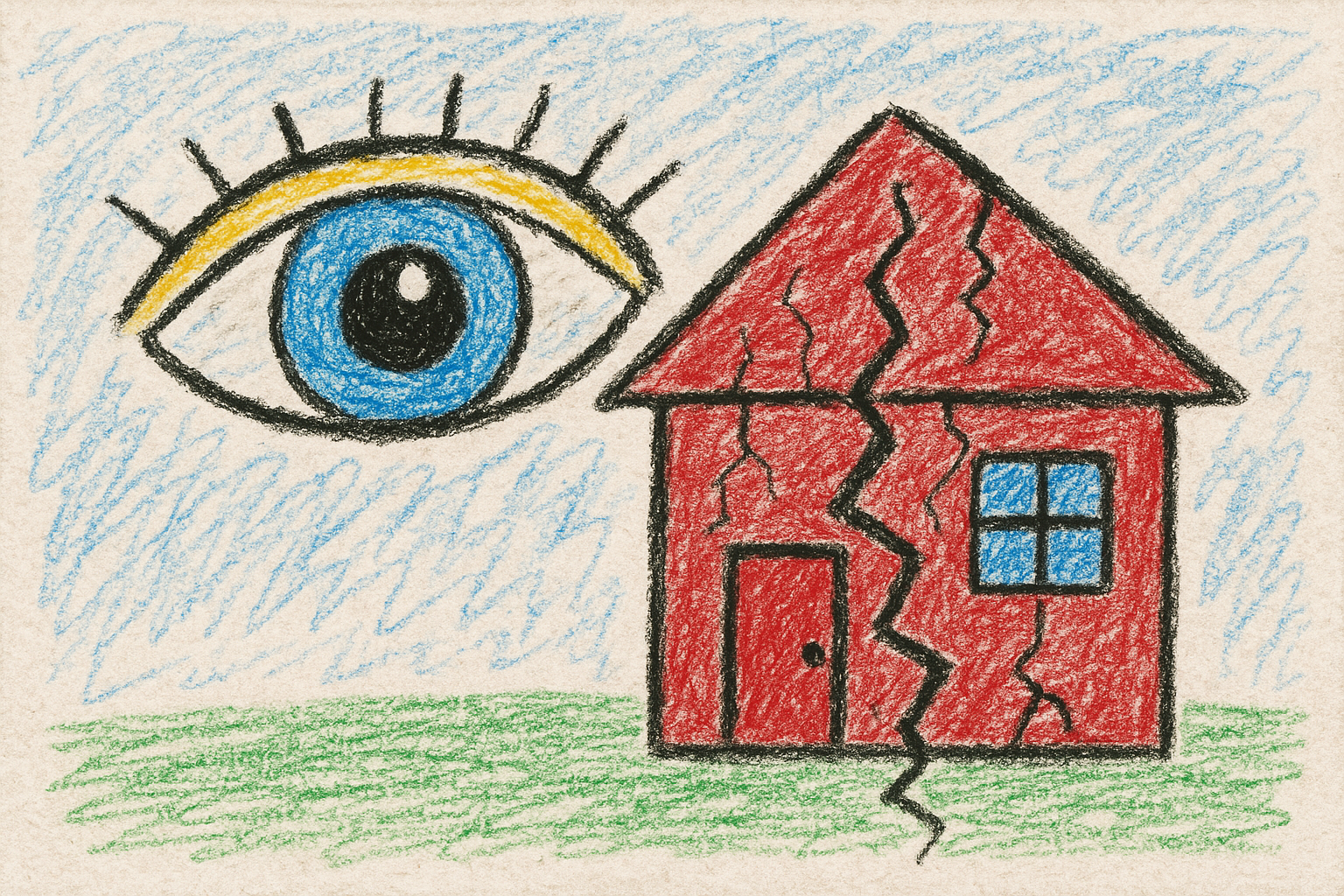
A livestream of a Cape Flats raid sparks debate on privacy, child protection, and political ethics, exposing systemic failures.
A politician live-streamed the removal of six children from a terrible home on the Cape Flats. This video sparked a huge argument about privacy and what's right. People are asking if it's okay to show such private moments to the world, even if it helps kids. This event has led to big legal questions in South Africa about live-streaming child removals.
What are the legal implications of live-streaming child removals in South Africa?
Live-streaming child removals in South Africa can lead to significant legal consequences, including hefty fines (R100,000) or up to five years in jail for identifying a child in alternative care. Additionally, such actions may violate the Children's Act, POPIA, and Film and Publication Board regulations, especially if real-time age-restriction technology is not used.
Get Cape Town news in your inbox
Stay updated with the latest stories from the Mother City.
Dawn on Kreefhout Street: When the Camera Switched On
A pale winter sunrise had barely painted the sand-coloured flats of Lentegeur when Dereleen James pressed “Go Live.” The ActionSA Member of Parliament - once a trauma counsellor, now the party’s loudest anti-gang voice - stepped out of her car, phone raised, and began narrating to 2 000 early-bird followers. Within minutes the corrugated-iron shack she entered looked less like a home and more like a crime-scene exhibit: dangling live wires, a cot made of chicken mesh, a plastic basin streaked with human waste, and toddlers wearing nothing but oversized T-shirts. By the time mainstream sites embedded the feed, the view-count had rocketed to 380 000 and six small children were being buckled into state vehicles bound for emergency foster care.
James’s own timeline betrays how speed eclipsed caution. At 07:12 she reminded a colleague to “block the minors’ faces,” yet the lens stayed unflinchingly open. At 07:19 a barefoot four-year-old stared straight into 40 000 phones. Seven minutes later a Cape Town newsroom autoplayed the stream on its landing page, and WhatsApp groups in Hanover Park and Mitchells Plain were already trading screenshots captioned “poverty porn.” Analysts say such spikes are predictable: local “raw truth” content pushes South African Facebook traffic up by two-fifths, a sugar-rush of likes that makes delay feel like surrender.
Residents watching the replay knew the Wendy house carried older ghosts. A 62-year-old grandmother, “Mrs A” in court papers, claims she endured 14 years of beatings and stabbings by her 39-year-old son-in-law, a man nicknamed “Gums” for his habit of flashing teeth before violence. Two of the removed children are his; the others belong to two daughters who joined the crowded dwelling after previous evictions. Domestic-violence logs at Lentegeur police station hold 19 entries stretching back to 2019, but no protection order ever stuck. Desperate, the family approached James after an Argus interview in which she vowed to “walk where SAPS fears to tread.” That promise became, for better and worse, a live-stream.
The Rescue Squad Without a Warrant: What the Law Actually Allows
James did not arrive alone. Two ex-detectives, a biker wearing a body-cam and an ER24 medic formed her impromptu “task team.” None possessed a court order, yet child-protection legislation can move faster than courts. Section 151 of the Children’s Act lets a designated social worker spirit a child away without a warrant if “immediate harm” is likely. At 06:58, provincial social worker N. Grootboom produced a form-36 letter, police signed on for “scene safety,” and the removal began. Critics insist officers should have sealed the yard and barred filming; defenders reply that no one expected a politician to pivot into citizen-journalist mode.
The camera, however, kept seeing. Under a loose sheet of Masonite it found a rusted 9 mm cartridge later ballistically linked to a 2021 Atlantis murder - evidence that Gums allegedly stored firearms where children slept. Other red-flag details filled the frame: a paraffin stove wobbling on bricks, faeces inches from toys, exposed wiring at toddler eye-level. Investigators say the cartridge discovery alone justified the raid; child-rights NGOs argue the same evidence could have been gathered without broadcasting toddlers’ faces to half a million strangers.
Inside ActionSA’s provincial WhatsApp caucus, panic pinged faster than celebratory emojis. A leaked voice-note warned of “POPIA hell, Children’s Act hell, election-year hell.” The law is blunt: anyone who publishes an image identifying a child in alternative care risks R100 000 or five years in jail. The Film and Publication Board adds that livestreamers must install real-time age-restriction tech - something James’s phone lacked. She later deleted the 38-minute original, uploaded a blurred 12-minute cut, and apologised for “processing minors’ images without proper redaction,” but claimed parliamentary privilege to “expose systemic failure.” Scholars note privilege shields MPs inside the National Assembly, not on dusty cul-de-sacs in Lentegeur.
Aftermath in Numbers: One Social Worker, 40 000 Households, Crimson Maps
The Western Cape Department of Social Development admits it juggles 4 300 open protection-order cases with only 1 900 social-worker posts. Grootboom, the lone officer covering Lentegeur, Beacon Valley, Eastridge and Portlands, keeps colour-coded maps: red zones mean “chronic backlogs.” Lentegeur bleeds crimson. She told journalists outside court that a single morning can bring five new referrals, forcing her to triage danger the way medics ration bandages in a war zone.
The six children are now split between secret foster homes in Noordhoek and Mamre. For the first time they sleep on mattresses, not stained blankets, yet trauma signs already surface. One boy tucks stale bread into his pillowcase, convinced the next meal may vanish. Foster mother “Hannah L” says night screams are common; regression toys - plastic dinosaurs, colouring books - line the lounge, but progress is measured in centimetres, not kilometres.
Gums appeared in the dock on Friday, charged under the Domestic Violence Act and for illegal possession of ammunition. He asked for bail, insisting the RDP house would collapse without his wage. Magistrate A. Latib postponed the plea, ordering a probation report. Meanwhile SAPS’s Internal Review Board is asking why officers let cameras roam; the Police & Prisons Civil Rights Union warns members not to be “weaponised by vote-hungry politicians.” Everyone agrees something must change; nobody wants to wear the cost.
Viral Values: Why the Middle-Class Cheers Until the Lens Swings Their Way
Across Cape Town the clip functions like a civic ink-blot. In suburban moms’ Facebook groups screenshots of tidy foster bedrooms harvest heart emojis and praise for James’s “baby rescue.” Khayelitsha activists see instead “perp-walk cinematography,” evoking memories of apartheid-era media rides with riot police. Radio 702’s phone-in found 58 percent of callers backed live-streamed raids “if it saves kids,” yet only 31 percent would allow their own lounge on camera. Media ethicist Prof. Eliza Govender calls the split predictable: voyeurism is acceptable “when the bodies on screen are poor, brown and muted.”
Technology adds rocket fuel. Frances Haugen’s 2021 leaks revealed Facebook algorithms reward raw emotion; streams showing children’s faces earn seven times the shares of blurred versions. That commercial nudge collides with South African law, yet no regulator audits livestreams in real time. The Broadcasting Complaints Commission can intervene only if a licensed station re-airs the footage; print regulators ignore Facebook. The result is an enforcement desert where illegality matters only if a political party complains to the Electoral Commission or a private litigant sues - options few township parents can finance.
James refuses to retreat. Outside Philippi Magistrate’s Court she vowed to table a private member’s bill forcing SAPS and Social Development to publish quarterly heat-maps of outstanding domestic-violence warrants. NGOs and MPs could then monitor hotspots in real time. Privacy advocates warn the plan may criminalise poverty itself, but 23 community-policing forums have already signed a memorandum of support. Whether the bill survives constitutional scrutiny is uncertain; what is clear is that Lentegeur has become the catalyst for a legislative fight that will land on Parliament’s floor long after the Wendy house is bulldozed.
Night patrols now walk Kreefhout Street armed with torches and whistles. Mrs A’s yard is swept clean; a pink plastic slide donated by a Somerset West church glints against rubble. “We don’t want to be famous,” a teenage niece whispers, “we just want the cameras to leave so we can breathe.” Yet breathing is hard: a drone buzzed overhead at dawn, a SABC crew shot B-roll last night, and journalists still knock before sunrise. The spectacle that began as rescue threatens to become another layer of trauma - the very harm child-protection laws were written to prevent.
{
"faq": [
{
"question": "What legal issues arose from the live-streaming of the child removal in Cape Flats?",
"answer": "The live-streaming event raised significant legal questions in South Africa, particularly concerning the Children's Act, the Protection of Personal Information Act (POPIA), and Film and Publication Board regulations. Identifying a child in alternative care can lead to fines of R100,000 or up to five years imprisonment. The politician's failure to use real-time age-restriction technology and the broadcast of children's faces without proper redaction were key violations."
},
{
"question": "Who was Dereleen James and what was her role in this incident?",
"answer": "Dereleen James is an ActionSA Member of Parliament and a former trauma counsellor, known for her anti-gang advocacy. She was the individual who live-streamed the removal of the six children from the Wendy house in Lentegeur. Her intention was to expose systemic failures and highlight the dire living conditions, but her actions led to a widespread ethical and legal debate regarding privacy and child protection."
},
{
"question": "What were the conditions found in the Wendy house that led to the children's removal?",
"answer": "The Wendy house was described as horrific, resembling a crime-scene exhibit. Conditions included dangling live wires, a cot made of chicken mesh, a plastic basin streaked with human waste, toddlers wearing oversized T-shirts, a precarious paraffin stove, and exposed wiring. Furthermore, a rusted 9mm cartridge, later linked to a 2021 murder, was discovered, indicating the presence of illegal firearms where children slept."
},
{
"question": "Did the 'rescue squad' have a warrant to remove the children?",
"answer": "No, Dereleen James's 'task team,' which included ex-detectives, a biker with a body-cam, and an ER24 medic, did not possess a court order. However, child-protection legislation, specifically Section 151 of the Children's Act, allows a designated social worker to remove a child without a warrant if there is a likelihood of 'immediate harm.' A provincial social worker, N. Grootboom, produced a form-36 letter, enabling the removal to proceed legally from that perspective."
},
{
"question": "What is the aftermath for the children and the alleged perpetrator, 'Gums'?",
"answer": "The six children have been placed in secret foster homes in Noordhoek and Mamre, where they are experiencing trauma symptoms, such as night screams and hoarding food. 'Gums,' the 39-year-old son-in-law and alleged perpetrator, has been charged under the Domestic Violence Act and for illegal possession of ammunition. His bail hearing was postponed, pending a probation report. The incident has also sparked internal reviews within SAPS and calls for legislative change."
},
{
"question": "How has the public and various organizations reacted to the live-streamed removal?",
"answer": "Public reaction has been divided. While some suburban groups praised James's 'baby rescue,' activists in Khayelitsha criticized it as 'perp-walk cinematography,' drawing parallels to apartheid-era media practices. Polling showed a majority supported live-streamed raids 'if it saves kids,' but few would allow cameras in their own homes. NGOs and political entities have expressed concerns about POPIA and Children's Act violations, while James has vowed to continue her advocacy, proposing new legislation to monitor domestic violence hotspots."
}
]
}

Sarah Kendricks is a Cape Town journalist who covers the city’s vibrant food scene, from township kitchens reinventing heritage dishes to sustainable fine-dining at the foot of Table Mountain. Raised between Bo-Kaap spice stalls and her grandmother’s kitchen in Khayelitsha, she brings a lived intimacy to every story, tracing how a plate of food carries the politics, migrations and memories of the Cape.
View all articles →