
Differing fortunes for Oyekanmi family amid deportation fears
Deportation orders surge in Ireland, impacting South African families like the Breetzkes and Oyekanmis. A look into Ireland's asylum system.
Dublin's North Wall has turned into a strict gateway where immigration enforcement is super tough. The number of people being sent away has shot up dramatically, and new arrivals often face immediate detention. This is all part of the Irish government's plan to cut down on asylum claims, partly by labeling South Africa as a 'safe country.' It's a harsh system where families fight to stay, and sometimes, a bit of luck or community support makes all the difference.
What is happening with immigration at Dublin's North Wall?
Dublin's North Wall has become a central point for a significant surge in immigration enforcement. Deportation orders have nearly doubled, with new arrivals often facing immediate detention. The Irish government aims to reduce the asylum queue by 60%, partly by adding South Africa to its 'safe-country' list, leading to increased removals and stricter controls.
Get Cape Town news in your inbox
Stay updated with the latest stories from the Mother City.
1. Dawn on the Quays: When Statistics Replace Sympathy
Dublin’s North Wall has always smelled of salt, diesel and new beginnings. In 2025 the scent sharpened: the air now carries the metallic tang of zip-ties and the bleach used to swab white vans marked “GNIB – Removal Operations”. While container cranes still dip like herons over the Liffey, the choreography below has changed. New arrivals once rehearsed their first Irish sentences between burger vans; today many step straight from the ferry ramp into custody, clutching a see-through bag that holds everything the State believes they own.
The numbers are brutal. Deportation orders leapt from 1 580 in 2024 to 3 100 last year, a 96 % surge that dwarfs the post-2004 EU-enlargement spike. Government press releases sell the wave as “backlog-busting”; the printed target is to trim the asylum queue by 60 % before the next general election. South Africa’s quiet addition to the “safe-country” list in March gave caseworkers a bureaucratic magic wand: a Pretoria passport no longer buys even the benefit of the doubt.
Yet behind every percentage point stands a family dinner interrupted by a 2 a.m. knock. Two households born within 200 km of Johannesburg now serve as unwilling public exhibits of how discretion, paperwork, community muscle and calendar luck decide who sleeps in an Irish bed and who boards the ghost 747. One family is still fighting; the other has been granted a six-month reprieve that smells of rugby liniment and votes. Their mirrored trajectories reveal a system that has learned to outsource its cruelty to stopwatches and charter schedules.
2. The Breetzke File: One Page Short of Survival
Springs, east of Johannesburg, is a town that forgot to mend its fences. In February 2019 three armed men crept through the boundary that was “more idea than barrier”, raped a visiting cousin and pinned a note to the kitchen door: “Finish the job if you stay.” Frikkie Breetzke sold two Toyota bakkies at half price, stuffed the cash into a diaper bag and flew Dublin-bound via Doha. Five days later the family claimed asylum, confident that horror translates across borders.
Irish law, however, demands receipts for pain. The Breetzkes arrived with a single-page police affidavit - stamped “received” but unsigned - and a GP’s letter listing post-traumatic stress. They had no docket number; the investigating officer never gave one. At their July 2019 interview the legal-aid solicitor juggled forty-seven other files and advised them to “keep the story short”. The refusal letter landed fourteen months later: “generic country information does not demonstrate individual risk”.
Five years in the former Montague Hotel direct-provision centre followed. Frikkie plucked chickens on night shifts that paid €5 an hour under the table; eldest son Ruan sat the Leaving Cert online each year to keep a student stamp alive. On 8 January 2026 the family reported for the new “fortnightly check-in” required of safe-country nationals. GNIB used s. 5(6) of the 1999 Immigration Act to detain them on the spot, serve a 48-hour removal notice and transfer father and son to Cloverhill Prison. Daughter Madelein, fresh from a QQI Level-6 healthcare course, woke to voice-notes: “Bring a small bag if you want to say goodbye before the 06:40 charter.”
A habeas corpus bid froze the flight for seventy-two hours - just long enough for a rookie Cork solicitor to discover that the International Protection Office had ignored updated 2022 crime stats. A fresh “Section 17” request to revoke the order is now buried in a ministerial brief already 1 200 pages thick; the target date for expulsion is pencilled for the last week of February. Madelein keeps two folders - one thick with fresh affidavits, the other with rejection letters - and studies Portuguese at night. “If Ireland ships us out, I’ll plant hope in São Paulo,” she says. “Tomatoes grow anywhere.”
3. The Oyekanmi Pause: When a Rugby Pitch Becomes a Courtroom
Titilayo Oyekanmi never imagined that a sidestep could stop a deportation. A Yoruba-speaking Pentecostal who ran a hair-braiding salon in Rustenburg’s platinum belt, she watched xenophobic mobs torch her home in 2021 after a politician blamed “foreign wives” for local drug deaths. Her husband, a Nigerian mechanic, survived a stabbing that left him brain-damaged; Titilayo grabbed her four children and a South-African passport acquired through marriage. When the IPO refused her claim in June 2024 - suggesting she could safely relocate elsewhere in Gauteng - the bureaucratic countdown began.
Yet the family landed in a different Ireland from the one that greeted the Breetzke clan. Their initial accommodation sat in Dublin 4, a postcode that votes early and often. Joseph, all 1.86 m and 86 kg of him, turned up at a Bective Rangers open trial, ran 100 m in 11.4 seconds wearing €20 Decathlon boots and was promptly offered a full scholarship to Gonzaga College. Within weeks the story jumped from sports-WhatsApp to the Irish Times weekend supplement; scouts talked of “raw Leinster material” and parents spoke of “a kid who says ‘deadly’ and supports Bohemians”.
A petition launched by the school’s parents’ council harvested 28 000 signatures; a GoFundMe topped €67 000 for legal fees; the local credit union hung a “Let Them Stay” banner that made the Six-One News. Forty-two elected councillors filed individual representations, a pile of paper no risk-averse minister can ignore. On 20 January solicitor Stephen Kirwan filed a single-page request for “revocation on humanitarian grounds”, attaching 600 pages of match reports, school marks and psychological assessments. The department granted a six-month deferral the same afternoon - speed that veteran solicitors call “unprecedented without a court order”. Joseph now practices place-kicks under floodlights, every successful conversion adding another line to the file that may yet scare officials into permanent silence.
4. Ghost Flights, Smart Bangles and the Next Hurdle
Behind every statistic lurks a booking reference. After Ryanair and Aer Lingus adopted “no-escort” policies following a 2020 duct-tape scandal, Dublin turned to HiSky, a Moldovan charter outfit that lands at Casement Aerodrome, picks up deportees from Cloverhill and refuels for the €640 000, 11-hour hop to Johannesburg. The average flight carries 38 returnees - €16 800 per person, more than annual tuition at Trinity. NGOs call it “the ghost 747” because manifests are unpublished; families learn departure times only when they receive a two-hour prison-visit slot.
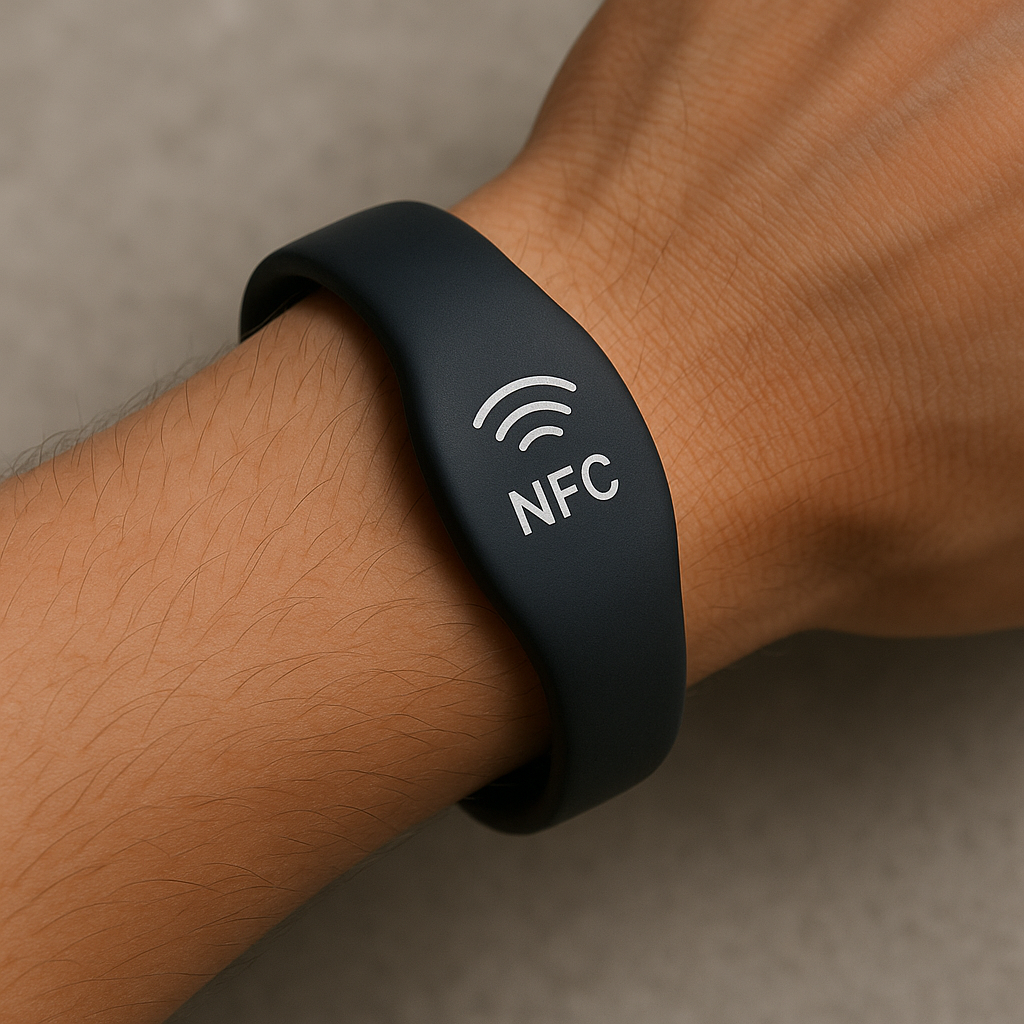
Technology is tightening the net. Since October every deportee wears a rubberised smart-bangle - NFC chip, photo, medical data and signed consent to “restrained escort”. The same Mayo start-up sells an identical device to nursing homes for wander-prone dementia patients. Dublin Airport has rolled out facial-recognition kiosks that compare arriving South-African passports to a watch-list of prior refusals; four re-entries have already triggered five-year EU-wide bans. The Data Protection Commission is investigating, but officials boast the system pays for itself in deterrence.
Three test cases will decide 2026. Breetzke v. Minister argues that updated crime stats are “new evidence” and that South Africa’s safe-country designation should be retrospective. Oyekanmi v. IPO - currently on ice - asks whether sporting excellence can convert a deferral into permanent residency. Nkosi v. Ireland, lodged by a lesbian couple citing corrective rape in KwaZulu-Natal, challenges the entire safe-country concept under the EU Charter. A win for any plaintiff would force overnight review of hundreds of files, collapsing the enforcement surge ministers brandish as proof of competence. Until the gavel falls, dawn on the North Wall will keep smelling of diesel, salt and the thin paper of boarding passes that may, at any moment, turn into return tickets to a place some passengers no longer call home.
What is happening with immigration at Dublin's North Wall?
Dublin's North Wall has become a strict gateway for immigration enforcement, with a dramatic increase in deportations and immediate detentions for new arrivals. The Irish government aims to reduce asylum claims by 60%, partly by classifying South Africa as a 'safe country.'
Why has South Africa been designated a 'safe country' by Ireland?
Ireland added South Africa to its 'safe-country' list in March, which allows caseworkers to process asylum claims from South African nationals with less scrutiny. This designation means that a South African passport no longer automatically grants the benefit of the doubt, significantly increasing the likelihood of refusal and removal.
How are families like the Breetzkes affected by these new policies?
The Breetzke family, who sought asylum after a traumatic event in South Africa, faced immediate detention and a 48-hour removal notice due to the 'safe-country' designation and insufficient initial documentation. Their case highlights how the system's strict requirements and reliance on paperwork can lead to deportation, even for individuals with genuine claims of risk.
What role does community support play in these immigration cases?
Community support, as seen in the Oyekanmi family's case, can significantly impact the outcome of deportation orders. Through petitions, fundraising for legal fees, local political pressure, and media attention, the community can rally behind individuals, leading to deferrals or even potential permanent residency, especially when combined with factors like sporting excellence or humanitarian grounds.
What methods are being used for deportations from Dublin?
Deportations from Dublin are often conducted via charter flights operated by companies like HiSky, a Moldovan outfit. These flights, sometimes referred to as 'ghost 747s' due to unpublished manifests, transport deportees, usually from Cloverhill Prison, to their home countries. The cost per person for these flights is substantial.
What technological advancements are being implemented in immigration enforcement?
New technologies are being used to tighten immigration control. These include rubberized smart-bangles with NFC chips for deportees, containing personal and medical data, and facial-recognition kiosks at Dublin Airport. These kiosks compare arriving South African passports against a watch-list of previous refusals, potentially leading to five-year EU-wide bans for re-entries. The Data Protection Commission is investigating these systems.

A Russian-Spanish journalist and Cape Town native, channels his lifelong passion for South Africa into captivating stories for his local blog. With a diverse background and 50 years of rich experiences, Serjio's unique voice resonates with readers seeking to explore Cape Town's vibrant culture. His love for the city shines through in every piece, making Serjio the go-to source for the latest in South African adventures.
View all articles →