
Lifesaving efforts at Kommetjie Beach: two teenagers rescued from rip currents
Two teens are rescued from a rip current by a quick-thinking coffee vendor and a retired pilot in Kommetjie. Discover the heroes and the NSRI's vital Pink Rescue Buoy program.
Dylan, a barista, became a hero when he bravely saved two teens caught in a dangerous rip current. He and another rescuer, Mike, used special buoys to keep the boys afloat. This exciting rescue highlights the power of the sea and the quick thinking of ordinary people. It also shows how important it is to know how to escape a rip current by swimming sideways, not against it.
What is a rip current and how should one escape it?
A rip current is a powerful, narrow channel of water flowing rapidly away from the shore. Unlike a whirlpool, it's an elevator going only up and out. To escape, do not swim against it; instead, swim sideways, parallel to the shore, until you are out of the rip, then swim back to land. Remember to "Float-Plan-Swim."
Get Cape Town news in your inbox
Stay updated with the latest stories from the Mother City.
- Kommetjie Beach, 13 March, 08:47 a.m.*
The Morning That Changed Colour
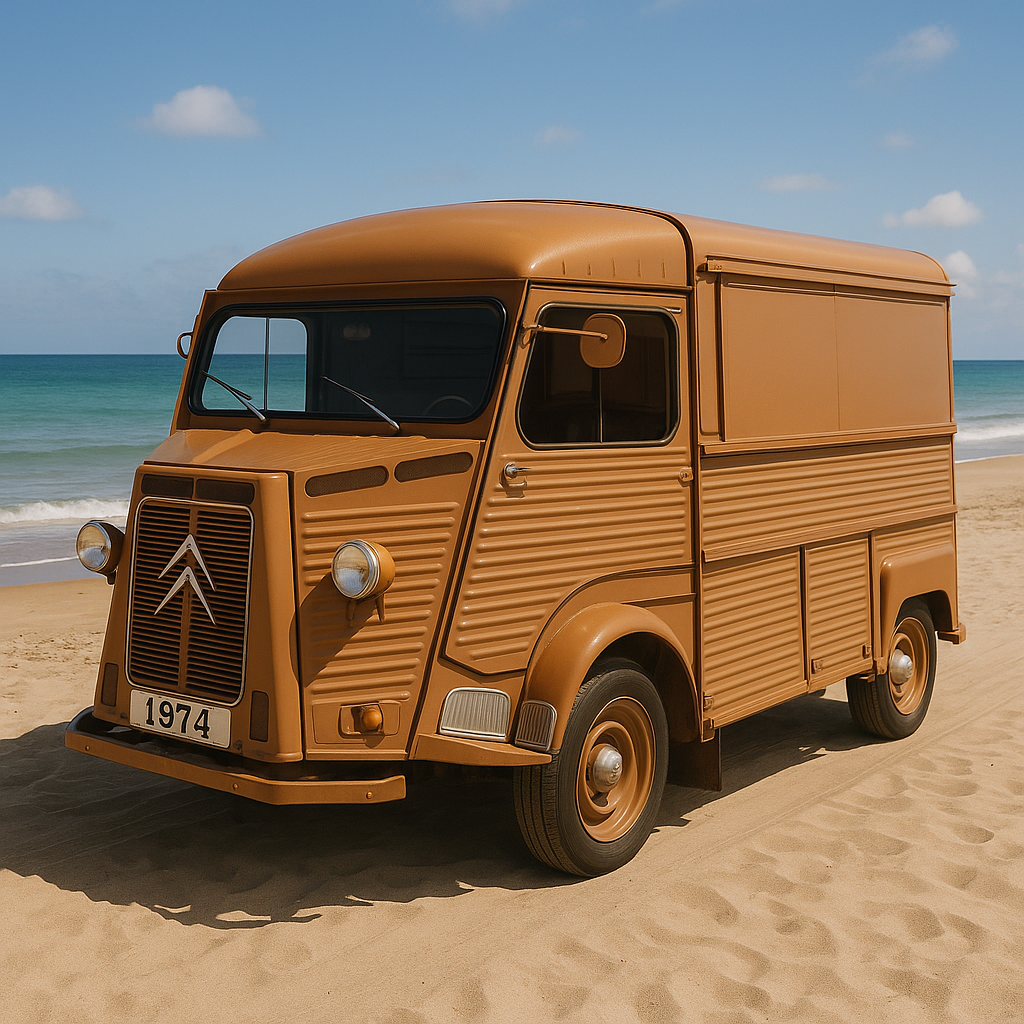
The south-easter arrived before sunrise, slapping False Bay until the postcard-blue postcard tore into slate-grey confetti. Surfers jogged from the lineup, boards tucked like useless wings, muttering about the mess. Dylan Rattray, 24, barely glanced up; he was dialing in 18 g of Brazilian espresso for the Monday queue at his hatch-cut Citroën HY, a 1974 panel van the shade of toasted coconut. While the generator thumped and the smell of beans married kelp and two-stroke, the ocean kept knocking on the retaining wall as if it wanted a cappuccino too.
At 08:52 a woman in neon-pink polyester sprinted up the ramp, hair blown horizontal, one arm hacking at the sky. “There! Boys!” was all she managed before spinning back. Every local looks for fins first; Dylan did the same. Instead he spotted two heads, eighty metres out, rising and vanishing like faulty depth sounders. Their arms clawed upward - “climbing the waterfall,” lifeguards call it - while the rip tore them seaward at jogging pace.
Two images flashed side-by-side: the NSRI buoy bolted beside the lavatory block - K-17, the same toy he’d clown-kissed for Instagram three weeks earlier - and a barefoot man in soaked cargo shorts already ripping it free. The stranger hit the water without breaking stride, plastic seal cracking like a party popper. Dylan killed the gas, slammed the hatch, snatched the neighboring buoy - K-04 - from the surf shop wall, and bolted after him.
The River Within the Sea
A rip is not a whirlpool; it’s an elevator that goes only up and out. Wave water stacked on the sandbar funnels through a trench at speeds topping two metres per second - Olympic-sprinter velocity. Swimming straight backfires: you punch a treadmill that lengthens with every stroke. The only profitable ticket is sideways, parallel to shore, yet adrenaline never reads the manual.
Dylan spent one college summer tagging sharks for Dyer Island; skippers gossip about currents the way cabbies talk traffic. He knew Kommetjie’s notorious “Drain” bends left, then seaward, a detour that drowned three rock-and-surf anglers in 2009. Water at 14 °C clawed at his diaphragm, primed to hijack lungs with a gasp. He dolphin-dived, the pink torpedo trailing on its six-metre leash, and surfaced inside a valley of grey shoulders.
Ahead, “Mike, retired airline pilot from Plumstead,” already reached the elder teen - 17, traffic-cone orange boardshorts, eyes whitened by panic. Mike jammed the buoy under the boy’s arms and barked the NSRI mantra: “Stop kicking. Arms over. Float.” Dylan angled toward the smaller, 16, hair plastered like kelp. A hand clamped his hoodie - drowning reflex. He corkscrewed free, reset the boy across the buoy, and instantly a three-wave set detonated. The first jack-knifed, driving them two metres down into a rattling gravel cloud. He locked an elbow over the boy’s wrist, kicked skyward, and surfaced inside a foam lung that smelled of diesel and salt.
Rise, scan, kick sideways, repeat. Dylan ignored the beach; he hunted the rip’s shoulder where the conveyor dissolves. The tug faded, replaced by sideways slip. Side-stroke now, one arm hooked under the buoy, the other wind-milling whitewater. A foam freight train overtook - Mike and the older boy surfing the same chaos. Eye contact, silent trigonometry: angle left, ride the soup, let the sea do half the work.
Sand Beneath Noodles
They grounded on the inner bank at 09:01, legs jelly from cold and adrenaline. Beachgoers formed a human chain, yanking the teens onto the berm and cocooning them in silver survival blankets. Dylan’s fingers trembled so hard a stranger had to unzip his booties. Cape Medical Response rolled up four minutes later - a record triggered by a single WhatsApp pin. Core temps: 34.8 °C and 34.6 °C, borderline hypothermic but chatting. Both refused hospital transport, asking instead for “the coffee guy.” Dylan, cheeks sunburned with embarrassment, busied himself fetching the buoys now tumbling in the high-tide litter line.
Each pink buoy carries 35 kg of lift, molded from UV-stable polyethylene, costs R1 450, and bears a QR code to a 45-second rescue clip. Since 2017 the NSRI programme has chalked up 256 verified saves; Kommetjie’s Friday double-header pushed its local score to eleven. The units sit in anonymous brackets until someone snaps the seal - then they become temporary life rafts with Instagram credentials.
Aftermath and Echoes
While the teenagers retold their odyssey over complimentary flat-whites - Dylan refused payment, citing “poor customer service” - NSRI Simon’s Town was already paging the next call. “Windward Ho,” a 32-foot steel sloop out of Lüderitz, lost her rudder eleven nautical miles south-west of Cape Point. Solo skipper Peter Muhl, 67, had a Jordan series drogue deployed - 130 m of cone-shaped parachute cord - but was skating toward “the Alphabets,” a reef where swells rear to six-metre haymakers.
The 10 m RIB “Donna Nicholas” launched at 16:20 into 4 m swell and 35-knot gusts. A heaving stick flew a towline across the churning gap; crew swapped the drogue for a 200 m nylon bridle and five hours later nudged the sloop into Simon’s Town naval yard under dolphin escort. Fuel burn: 312 l. Casualties: one cracked mug and one bruised ego - proof that Fridays off Kommetjie are just apprenticeship days for Saturdays offshore.
Hydrologists now preach “Float-Plan-Swim”: pause to feel the current, wave for eye-level confirmation you still exist, then swim sideways thirty metres before turning shoreward. The tweak is the deliberate pause; most deaths happen in the first ninety seconds when victims sprint against the ocean treadmill.
Portable baristas, it turns out, make ideal first responders: they own hot water, towels, and a fixed vantage that remembers faces. Dylan laminated a rip-flow chart inside his hatch and stows a spare buoy beside the tamper. “Cheaper than replacing a grinder,” he shrugs, though locals notice he now faces the horizon while steaming milk.
The teens - Grade 11 at Kommetjie’s campus satellite - signed up for NSRI’s WaterWise Academy, a six-week syllabus that teaches “throw, don’t go,” plus rope bags and the Heimlich-for-drowning sequence. Their moms installed tide apps and banned swimming within three hours of low tide, when rips yawn widest.
Mike the pilot offered exactly one line to Cape {town} Etc: “Trained crew land aircraft; trained humans land people. Same checklist.” He reappeared at dawn the following Sunday, clicked the buoys back into their brackets, snapped the seals with the same wrist-flick used to arm cabin doors, and walked away before the sun cleared the sentinel oaks.
The ocean, unimpressed, peeled another set, reopened its invisible river, and waited for the next set of footprints.
What is a rip current and how should one escape it?
A rip current is a powerful, narrow channel of water flowing rapidly away from the shore. Unlike a whirlpool, it's often described as an "elevator going only up and out." These currents can reach speeds of up to two meters per second, which is Olympic-sprinter velocity, making it impossible to swim directly against them. To escape a rip current, the primary advice is to swim sideways, parallel to the shore, until you are out of the pull of the current. Once free, you can then swim safely back to land. The NSRI (National Sea Rescue Institute) mantra is "Float-Plan-Swim," emphasizing a deliberate pause to assess the situation before attempting to swim.
Who were the heroes in the Kommetjie Beach rescue?
The heroes of the Kommetjie Beach rescue were Dylan Rattray, a 24-year-old barista, and Mike, a retired airline pilot. Dylan, who was working at his coffee stand, quickly noticed two teens in distress and, after seeing Mike already taking action, grabbed a rescue buoy and entered the water. Together, they used the special buoys to keep the boys afloat and guide them out of the dangerous rip current.
What day and time did the rescue at Kommetjie Beach occur?
The rescue at Kommetjie Beach took place on 13 March at approximately 08:47 a.m., though the actual rescue efforts unfolded shortly after 08:52 a.m. when the distressed teens were spotted.
How effective are the NSRI rescue buoys?
The NSRI rescue buoys are highly effective tools for water rescues. Each pink buoy provides 35 kg of lift and is made from UV-stable polyethylene. They are strategically placed in anonymous brackets at beaches and carry a QR code linking to a 45-second rescue clip. Since 2017, the NSRI program using these buoys has recorded 256 verified saves, with the Kommetjie incident pushing the local score to eleven. They are designed to be easily accessible and can be quickly deployed by trained individuals or even ordinary citizens in an emergency.
What is the "Float-Plan-Swim" method for rip current escape?
"Float-Plan-Swim" is a method advocated by hydrologists and the NSRI for escaping rip currents. It involves three key steps:
1. Float: Upon realizing you're caught in a rip, do not panic or immediately try to swim against it. Instead, relax and float to conserve energy. Feel the current's direction.
2. Plan: While floating, scan your surroundings. Look for where the current is taking you and identify the safest direction to swim out of it, which is typically parallel to the shore. Wave for help if possible to alert others on the beach.
3. Swim: Once you've assessed the situation, swim sideways, parallel to the shore, for about thirty meters until you are out of the rip's pull. Then, turn and swim back to the beach. The deliberate pause in the "Plan" stage is crucial, as many fatalities occur in the first ninety seconds when victims exhaust themselves swimming against the current.
How have the rescued teens and the barista integrated water safety into their lives?
Following the rescue, the two teenagers, both in Grade 11, enrolled in the NSRI's WaterWise Academy. This six-week program teaches vital water safety skills such as "throw, don't go" (meaning to throw a flotation device rather than entering the water yourself if untrained), rope bag use, and the Heimlich maneuver for drowning victims. Their mothers also took precautions by installing tide apps and banning swimming within three hours of low tide, when rips are often strongest. Dylan, the barista, has further embraced water safety by laminating a rip-flow chart inside his coffee hatch and keeping a spare rescue buoy readily available, emphasizing its importance by saying it's "cheaper than replacing a grinder."

Chloe de Kock is a Cape Town-born journalist who chronicles the city’s evolving food culture, from township braai joints to Constantia vineyards, for the Mail & Guardian and Eat Out. When she’s not interviewing grandmothers about secret bobotie recipes or tracking the impact of drought on winemakers, you’ll find her surfing the mellow breaks at Muizenberg—wetsuit zipped, notebook tucked into her backpack in case the next story floats by.
View all articles →