
Outdated eye-test machines at DLTCs leave drivers out of pocket
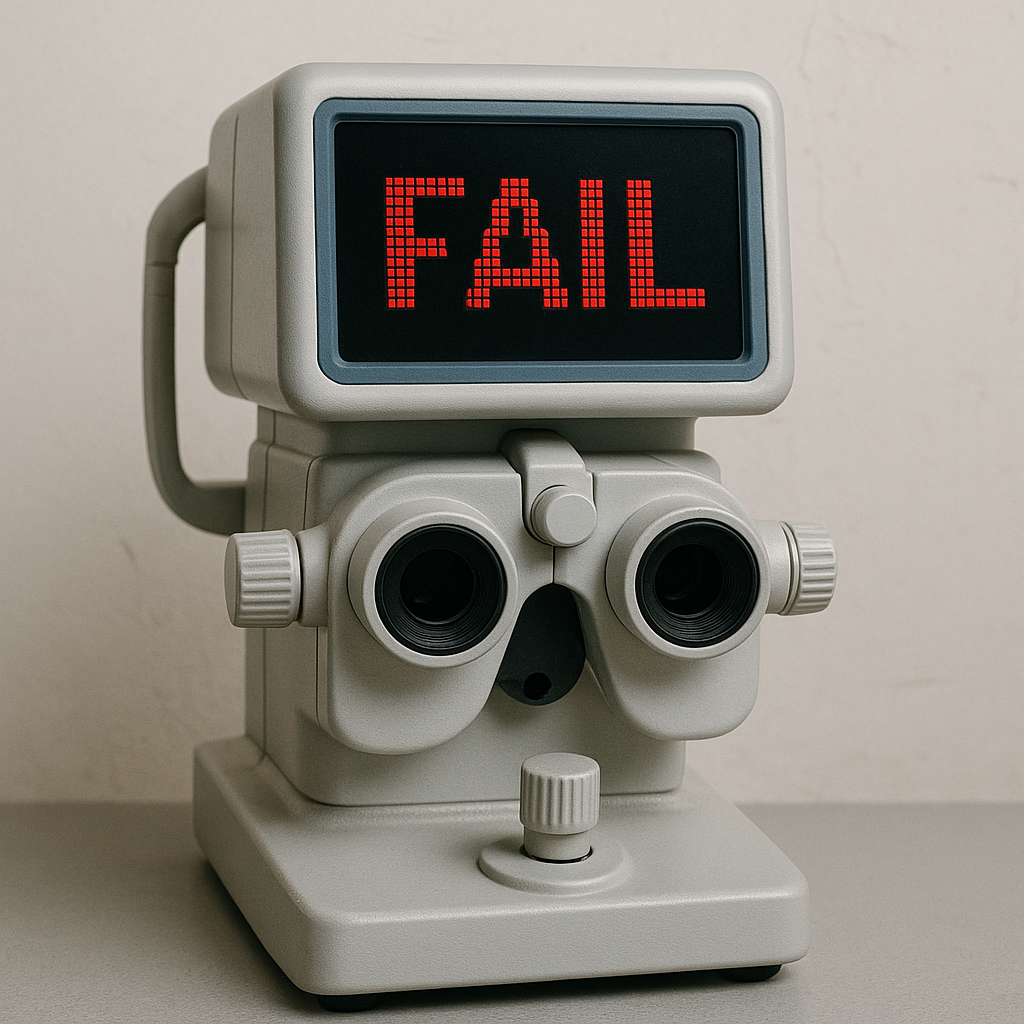
Cape Town's faulty eyesight machines at DLTCs are holding drivers hostage, causing chaos, extra costs, and license renewal delays.
Cape Town's driving licence centers are a mess! Old, broken eye-test machines are causing huge delays. People are failing eye tests even when their eyes are perfectly fine. This means longer lines and more frustration for everyone trying to get or renew their driving permits.
What is causing delays at Cape Town's driving licence centres?
Cape Town's driving licence centres are experiencing significant delays primarily due to malfunctioning eye-test machines. These broken machines, often outdated and poorly calibrated, frequently issue incorrect 'FAIL' results, forcing applicants to seek private optometrist tests, thus extending the already long queues and frustrating the renewal process for professional driving permits and other licences.
Get Cape Town news in your inbox
Stay updated with the latest stories from the Mother City.
Dawn in Parow – A City Held Hostage by One Blinking Cabinet
At seven minutes past seven the line on Voortrekker Road already curls around the corner like a restless snake. Lindiwe Makhanya, 42, mother of two, left Delft at a quarter to six so she could renew her Professional Driving Permit before punching in for the night shift. When her turn finally arrives she steps into a cubicle that looks salvaged from a long-closed arcade. A rust-flecked metal box houses a single LCD that stutters every three seconds. The calibration seal expired half a year ago, she notices. Thirty seconds later the screen spits out a crimson FAIL. The kiosk rates her left eye at 6/18, although an optometrist measured perfect 6/6 only days earlier. An official behind the counter slips her a purple sheet of paper: go to any private eye-care office, pay for a fresh test, then
What is causing delays at Cape Town's driving licence centres?
Cape Town's driving licence centres are experiencing significant delays primarily due to malfunctioning eye-test machines. These broken machines, often outdated and poorly calibrated, frequently issue incorrect 'FAIL' results, forcing applicants to seek private optometrist tests, thus extending the already long queues and frustrating the renewal process for professional driving permits and other licences.
What specific issues are being encountered with the eye-test machines?
The eye-test machines are old, broken, and poorly calibrated. They often present outdated calibration seals, indicating they haven't been properly maintained or serviced. This leads to inaccurate readings, such as an applicant being told their vision is 6/18 in one eye when a recent private optometrist test confirmed perfect 6/6 vision.
How does this problem affect applicants like Lindiwe Makhanya?
Applicants like Lindiwe Makhanya, who need to renew professional driving permits (PrDPs), are severely impacted. They endure long queues, sometimes arriving before dawn, only to fail an eye test due to faulty equipment. This forces them to spend additional time and money on private optometrist tests, further delaying their permit renewal and potentially affecting their ability to work.
What is the process if an applicant fails the eye test at the centre?
If an applicant fails the eye test at the driving licence centre due to the faulty machines, they are typically given a form (like the 'purple sheet of paper' mentioned) and instructed to visit a private eye-care office. There, they must pay for a fresh eye test to obtain a valid certificate, which they then need to bring back to the driving licence centre to complete their application or renewal.
Why are these faulty machines still in use?
The information suggests that the machines are old and poorly maintained, with calibration seals expiring months prior. The continued use of such outdated and malfunctioning equipment likely stems from a lack of proper funding for new technology, insufficient maintenance budgets, and potentially bureaucratic inertia in addressing the problem. This leads to a public service being held 'hostage by one blinking cabinet.'
What are the broader consequences of these delays and machine failures?
The broader consequences include increased frustration and inconvenience for the public, financial burdens on applicants who must pay for private eye tests, and potential economic impacts for professional drivers whose livelihoods depend on valid permits. It also reflects poorly on the efficiency and reliability of public services in Cape Town, leading to a general decline in public trust and satisfaction.

Isabella Schmidt is a Cape Town journalist who chronicles the city’s evolving food culture, from Bo-Kaap spice merchants to Khayelitsha microbreweries. Raised hiking the trails that link Table Mountain to the Cape Flats, she brings the flavours and voices of her hometown to global readers with equal parts rigour and heart.
View all articles →