
Over 600 people left homeless by Masiphumelele fire
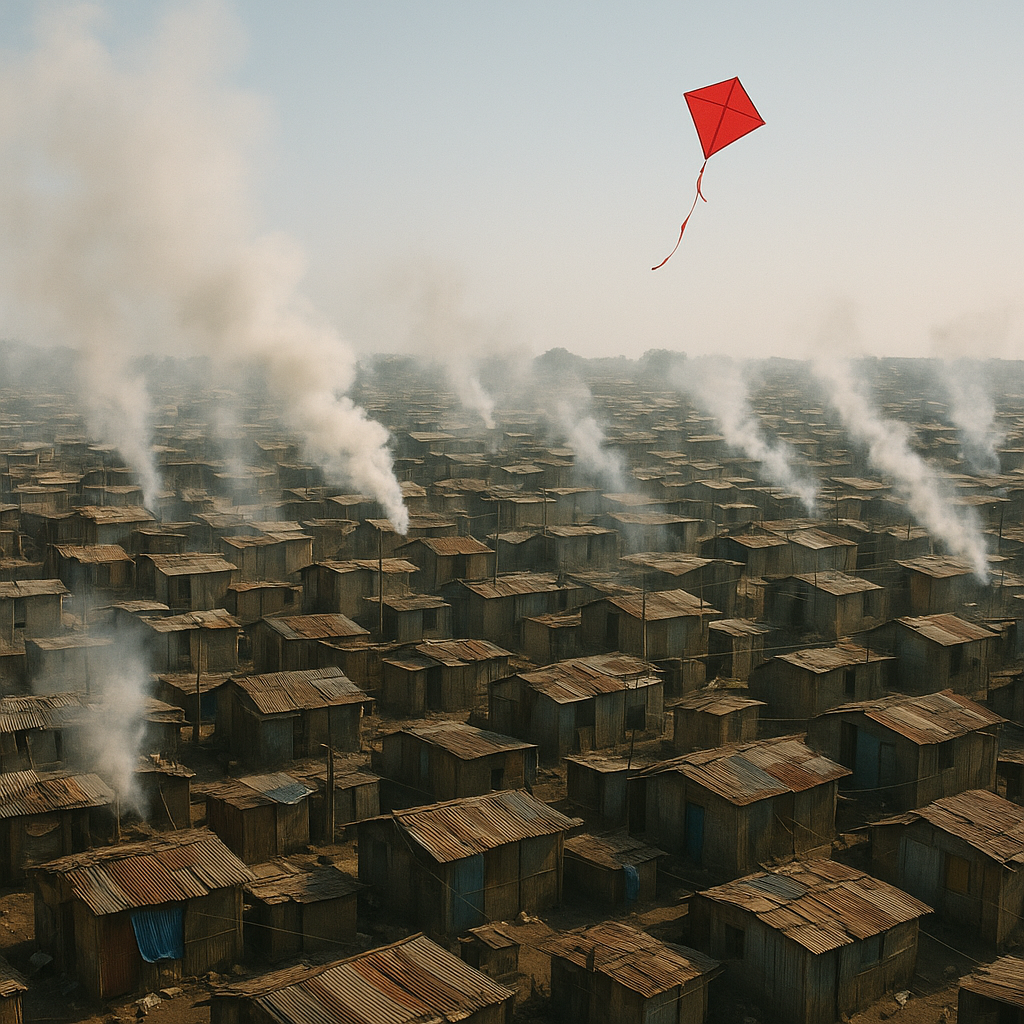
Explore the devastating Masiphumelele shack fire: its anatomy, the community's struggle, and the systemic failures that keep the city burning.
A tiny spark, maybe from a paraffin burner or a bad wire, quickly turned into a huge fire in Masiphumelele. Strong winds and shacks packed close together, made of easily flammable stuff, helped the fire spread super fast. People tried to fight it with buckets, but the fire moved like a monster, leaving many homeless and everything they owned turned to ash. This isn't new for many, as they've lost their homes to fire before and keep facing the same problems.
What caused the Masiphumelele township fire?
An ember from a paraffin burner or a faulty wire likely ignited a nylon curtain, escalating rapidly due to closely packed shacks, narrow footpaths, and highly flammable materials. Strong winds exacerbated the spread, turning the settlement into a 'mini-refinery with curtains' and accelerating the fire's destructive path.
Get Cape Town news in your inbox
Stay updated with the latest stories from the Mother City.
1. The Spark No One Sees, the Heat No One Survives
Tuesday, 14:37. A ribbon of pale smoke spirals above the tin roofs of K-section, lost in the diesel haze of Kommetjie Road. Somewhere between two back-to-back shacks, a single ember - maybe a toddler’s elbow tipping a paraffin burner, maybe a makeshift wire grazing a live strand in the wind - finds a nylon curtain. Ninety heartbeats later the flame is ruler-long; three minutes in, the ceiling temperature punches past 600 °C, hot enough to turn roofing nails into molten rivulets. Only then does the first cry of “Umlilo!” rip through the air, but by that stage chemistry, not courage, is in charge.
The settlement’s arteries are footpaths barely shoulder-wide. Flames sprint faster than feet, and the only thing quicker is fear. A neighbour yanks a sheet of corrugated iron to create a firebreak; the metal is already too hot to touch and the gesture leaves a palm print of blisters. No one waits for permission - there is no hierarchy at 700 °C.
2. Buckets, WhatsApp and the Surfboard-Saving Hack
There is no hydrant inside the maze. The closest municipal tap is a soccer-field away, and when twenty plastic pails ram under its spout the pressure collapses to a sigh. A human conveyor belt forms: barefoot teens straddle buckling rooftops, passing two-litre Fanta bottles and paint drums hand-to-hand. Each container arrives two-thirds full, but the act itself is the real coolant - stopping would feel like betrayal. Nosisi Mabengu, a domestic worker on her day off, marks every fifth vessel “SAVE” so the last pair of arms knows to fling, not drizzle.
While buckets fly, voice notes explode through the gentry suburbs: “Bring anything that can carry water.” A Kommetjie surfer skids in, rips the hollow cores from his board bags and turns them into fifteen-litre bladders. No one patents the idea; authorship is the first casualty of communal panic.
3. Lubabalo’s Overnight Odyssey from Factory to Ash
Lubabalo Vellem is torquing BMW bolts 900 km away when a Facebook Live clip tags him. The camera jitters across an orange-black wall devouring the 3 × 4 m dwelling he rebuilt once already, in 2015, with R18 000 of overtime pay. He clocks out, sprints to the station, rides the 15:30 economy special through two mechanical failures and a taxi chase, and arrives just after midnight. His plasma screen is zinc petals; his matric certificate has become a single brittle brick of sap and paper.
He is not unique - merely iterative. Municipal spreadsheets reveal that three in ten Masiphumelele residents have lost homes more than once since 2010. Each time they return to the same 2.4 m² plot because the official relocation roll is 14 000 names long and the only alternative site is Wolwerivier, a dune 35 km away where winter wind tastes like powdered salt and employment is a rumour.
4. Wind Tunnels, Fuel Stacks and the Nine-Minute Mile
Cape Town’s south-easter howls at 42 km/h that afternoon. Inside the settlement it becomes a blow-torch, racing between parallel shack rows like a sprinter in starting blocks. Stellenbosch engineers clocked a 20 km/h breeze carrying a K-section flame to the far wetlands - 600 m - in 11 minutes. Tuesday’s blaze does it in nine.
The numbers behind the sprint are merciless: 32 kg of wood-equivalent fuel cram every square metre, triple the load of a commercial pine plantation. Stir in 8 000 litres of paraffin decanted into 5 ℓ “buddies” and the stray 9 kg LPG bottle, and the place behaves less like housing stock, more like a mini-refinery with curtains.
5. Helicopters, Hashtags and the Optics of Rescue
At 16:10 the City dispatches three Huey B2s fresh from mountain wildfire duty. Each seawater dump is 2 500 ℓ, calibrated for fynbos, not roofs. Eleven-year-old Aphiwe watches from a neighbour’s doorway: “They are giant metal birds crying.” Infrared footage later proves her poetry - rotor wash flings embers farther than any human could spit, igniting 14 % of the final scar through secondary spotting. Yet the choppers gift the evening news a golden shot, and by 18:00 #MasiphumeleleFire tops even #Loadshedding.
Before dusk the mayor recites “accelerated re-blocking,” the ward councillor pledges “a full policy review,” both lines copied verbatim from a Khayelitsha media statement three weeks earlier. The cameras record the promises; the fire records nothing - it has already moved on.
6. Head-Counts, Hallways and the Micro-Politics of a Blanket
By night the toll is final: 134 structures gone, 612 people unhoused, no corpses. The Red Cross unloads 200 blankets and a 2 000 ℓ JoJo tank. Living Hope church hall lays 1 m-wide cardboard strips - COVID spacing still applies - room for 80 bodies if everyone sleeps like cutlery. By 22:00 the hall holds 176; the overflow melts into the township’s social glue: cousins, choir mates, stokvel sisters.
At 07:00 the disaster-registration portal opens. By noon only half the displaced sign in. Some lack IDs, others carry Zimbabwean or Malawian accents and dread deportation, most remember 2015 when a barcode never begat a shack. The official starter kit - four wooden panels, a door, a window, zinc hat - costs the City R6 800 and takes six weeks. Informal builders will erect a shell for R2 400 before the weekend; quality varies, speed is guaranteed.
7. A Teenager, a Kite and the Long Half-Life of Smoke
On the burn line Athenkosi Dlwati, 16, perches on an upturned paint drum. The pleat of her grey skirt is now a black fossil; her textbooks are carbon confetti. She narrates how the fire “walked diagonally,” how the smoke smelled of caramel then of burning tyres - sensory flashbulb memories trauma researchers will later catalogue.
Her grade will lose the rest of the term. The district warehouse promises replacements in seven days, but taxis want double fare for the 40 km haul. In 2015 the same pledge took six months; by then the grade had moved on and Athenkosi’s older sister dropped out. History whispers it will repeat.
A few metres away a boy launches a kite stitched from a melted ice-cream tub and supermarket plastic. It climbs on the same thermal that once fed the flames, tail flicking like a metronome counting down to the next spark the City has no budget to prevent.
[{"question": "What was the primary cause of the Masiphumelele township fire?", "answer": "The fire was likely ignited by a small spark, possibly from a paraffin burner or a faulty electrical wire, which then caught a nylon curtain. The rapid spread was exacerbated by closely packed shacks, narrow footpaths, and the abundance of highly flammable materials. Strong winds also played a significant role, turning the settlement into what was described as a 'mini-refinery with curtains'."}, {"question": "How did residents attempt to fight the fire, and what challenges did they face?", "answer": "Residents formed human chains, passing buckets, two-litre Fanta bottles, and paint drums filled with water from the closest municipal tap, which was a soccer-field away. The pressure at the tap collapsed under demand, and narrow footpaths made it difficult to access the fire. The intense heat made it dangerous to get close to the flames, with metal becoming too hot to touch. External help also arrived, with a surfer converting surfboard bags into water bladders."}, {"question": "What impact did the fire have on residents, particularly those who have experienced similar events before?", "answer": "The fire destroyed 134 structures and left 612 people unhoused. Many residents, like Lubabalo Vellem, have lost their homes multiple times. Municipal records indicate that three in ten Masiphumelele residents have lost homes more than once since 2010. The official relocation process is extremely slow, forcing residents to rebuild on the same plots, often with limited resources and facing the same risks. Valuables like matric certificates and personal belongings were turned to ash."}, {"question": "How did environmental factors contribute to the fire's rapid spread?", "answer": "Strong south-easterly winds, blowing at 42 km/h, acted like a blow-torch, racing between the parallel rows of shacks. The settlement's high density of combustible materials, including 32 kg of 'wood-equivalent fuel' per square metre (triple that of a commercial pine plantation), along with thousands of litres of paraffin and LPG bottles, created an extremely volatile environment. This combination allowed the fire to spread an impressive 600 meters in just nine minutes."}, {"question": "What was the role of external emergency services and government officials during the fire?", "answer": "The City dispatched three Huey B2 helicopters, previously used for mountain wildfires, which dumped 2,500 litres of seawater each. However, the rotor wash from the helicopters inadvertently flung embers, igniting 14% of the final burned area through secondary spotting. Government officials, including the mayor and ward councillor, made pledges for 'accelerated re-blocking' and 'a full policy review,' which were noted to be copied verbatim from previous statements made after other township fires."}, {"question": "What challenges do residents face in the aftermath of the fire regarding aid and rebuilding?", "answer": "The Red Cross provided blankets and water, and a church hall offered temporary shelter, accommodating many more people than its intended capacity. However, official disaster registration was slow, with many residents lacking IDs, being undocumented, or fearing deportation, which prevented them from registering. The official rebuilding process is lengthy and expensive (R6,800 for a basic kit taking six weeks), leading many to opt for quicker, cheaper informal builders (R2,400 before the weekend), despite varying quality. Access to replacement school textbooks and educational continuity also poses significant problems, often taking months or being unfulfilled.", "id": "1"}]

Sarah Kendricks is a Cape Town journalist who covers the city’s vibrant food scene, from township kitchens reinventing heritage dishes to sustainable fine-dining at the foot of Table Mountain. Raised between Bo-Kaap spice stalls and her grandmother’s kitchen in Khayelitsha, she brings a lived intimacy to every story, tracing how a plate of food carries the politics, migrations and memories of the Cape.
View all articles →