
Video: Cape Town mayor claims support for N2 safety wall
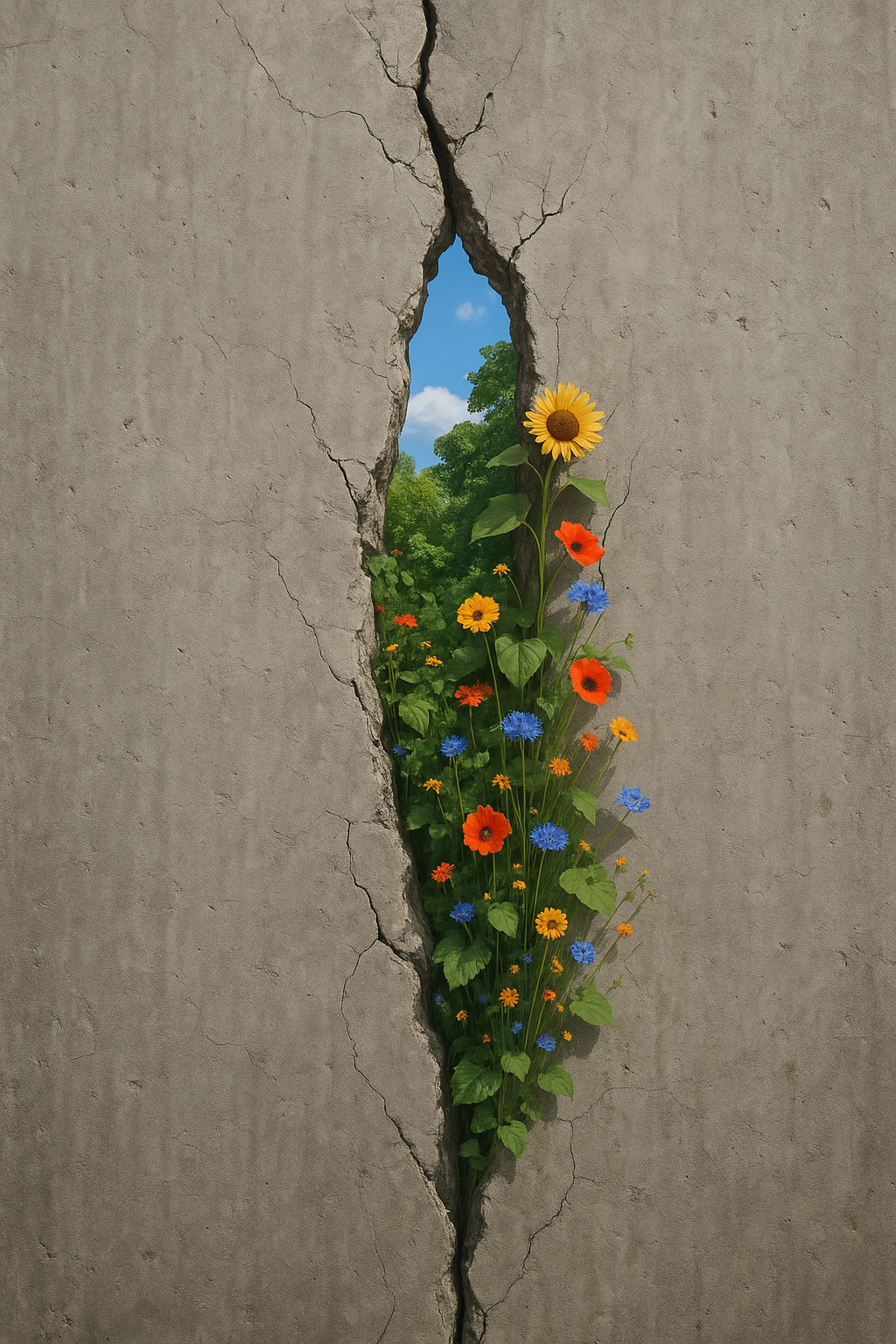
Cape Town's N2 Wall: a R1.9bn project sparking controversy. Is it safety or segregation? Explore the battle for the city's future.
Cape Town's N2 highway project, a 9-km barrier, is sparking a huge fight. It's meant to make things safer, but many fear it will separate people by race and harm the environment. The project costs a lot of money and includes high-tech surveillance. People are divided between wanting city improvements and protecting community rights and nature. This road is becoming a symbol of Cape Town's future.
What is the main conflict surrounding Cape Town's N2 highway project?
The main conflict surrounding Cape Town's N2 highway project centers on a 9-km barrier intended to enhance safety and infrastructure. However, it has sparked significant debate due to concerns over racial segregation, environmental impact, cost, and potential social control, dividing opinions between urban development and community rights.
Get Cape Town news in your inbox
Stay updated with the latest stories from the Mother City.
1. 55 000 Daily Commutes, 38 Bodies, Two Blueprints for Tomorrow
The N2 is not merely asphalt; it is a 9-km referendum on what Cape Town wants to be. Every sunrise, 55 000 people shoot along its lanes between the runway and the mountain, unaware they are crossing a live geological crack of race, space, and memory. On the northern shoulder Mayor Geordin Hill-Lewis screens drone clips: buses swallowed by flames, 38 bodies zipped into plastic since 2022. South of the crash-barrel medians, Henriette Abrahams has collected 14 000 digital signatures that read the same concrete as a spectral “Slegs Blankes” sign, repainted in traffic-paint jargon.
Between these duelling cartographies lie 32 self-built towns, four graveyards, six marshes, three still-armed bases, two jails, one pirate electricity network, and no shared definition of “safety.” The road itself is the stage; the props are about to rise.
2. R1,9 Billion, 2,8 Metres, and a Microphone That Can Burst an Eardrum
The blueprint looks harmless: prefab slabs 2,8 m tall, anti-climb mesh, 2 400 CCTV masts, 44 footbridges, 18 slip-roads, and a 4 m “no-go strip” on both flanks. Price tag: R1,9 billion over five years - more than the entire clinic-upgrade budget for 59 sub-districts (R1,2 bn). The invoice will be paid by an “airport-corridor levy” tacked onto property rates within a 12 km radius of the runway. By statistical fluke, that radius skirts every ward where the ANC still tops 45 %.
First 2 km - Borcherds Quarry off-ramp to the drainage ditch nicknamed “Die Sloot” - must be tourist-ready before the 2027 summer avalanche. After that, a panel every 72 hours, faster than the winter rains can summon protest.
Under the drawings run fibre ducts that will ferry licence-plate streams, seismic footstep detectors, and, since a December 2026 addendum, “gun-shot triangulation” mics field-tested on Gaza’s perimeter. The city calls the gadgets “passive ears”; leaked emails reveal the same vendor hawking 130 dB “active deterrent bursts” able to perforate an eardrum at fifty metres. Officials promise deletion before tender award, yet the line item - R4 m per kilometre - remains on the spreadsheet.
3. Greenwashed Concrete, Youth Jobs, and a Stokvel Held Hostage
AfriSam’s Philippi quarry has tripled night shifts to pour 600 m³ of wall panels weekly. Each slab hides 18 % recycled plastic, a flourish that gifts City Hall 4 000 t of carbon offsets - just enough to neutralise the new 89-BMW X5 interceptor fleet. Mould assemblers are hired from the very settlements that will stare at the finished product from the outside; 30 % of every crew must live within 5 km. Rumour says COSATU bartered a protest freeze for 150 permanent posts once the last bolt is tightened, a lifeline when youth unemployment is stuck at 54 %.
Opposition splinters into three theatres. The Land Party, still licking 2024 wounds, rebrands the structure “Boer Curtain 2.0” and leads night hikes, torches high, Fela Kuti pumping from portable speakers. Abrahams’ Dutch-hosted petition swears the wall will bisect the False Bay Ecology Reserve, slicing flamingo flyways and leopard-toad love lives. The city concedes “moderate-to-high risk” for three Red-Listed species, but argues children’s veins trump toad spawn. UCT’s FitzPatrick Institute disagrees; the matter is now a toad-versus-toddler court drama.
Inside the townships the messaging war turns murkier. Mayoral TikToks broadcast grandmothers praising “God’s gift,” while 1 200 WhatsApp voice notes tell of KFC vouchers in exchange for smiles, and stokvel treasurers warned of water-cut unless they supply happy faces. Research House Africa’s 71 % approval survey is waved aloft; detractors note the polling firm is 30 % owned by a logistics giant that will pocket extra cargo lanes once pedestrians are funnelled through turnstiles.
4. Cabbage Coffins, Lagos Ghosts, and a 40-M Portal Called Gate 13
International ghosts are summoned. Barcelona’s ring-road noise barrier cut deaths 38 %; Belfast’s “peace” walls still stand, condemned by the EU as reconciliation brake. Cape Town’s slide decks skip the closest mirror: Lagos’ 32 km express barrier cut road deaths 21 % yet funnelled abductions up 70 %. Lagos is now building a second wall; the 3 km gap hosts the governor-family solar farm. Cape Town officials whisper the Nigerian lesson in corridors, but delete it from brochures.
The fight peaks at “Gate 13,” a 40 m breach facing the Philippi fresh-produce market. Here the city will spend R120 m on travelators, solar lights, and biometric gates that swing only for commuters pre-registered on a municipal app. Traders who sleep 200 m away will detour 1,8 km; lettuce may rot before it hits the shelf. In January 200 cabbage-crate coffins were wheeled down the carriageway in a mock funeral: “Lettuce not forget.” A relocation plot exists near the runway, but it is locked under a cricket academy whose lease ends 2033 and whose alumni roll includes the sports MEC’s son.
Night brings its own resistance. “Project Illumina” splashes animations across raw concrete: ox-wagon trails, District Six seconds before bulldozers, a live heat-map of tonight’s crashes. Drivers slow, engines idle, the highway turns into a plaza - until Metro Police arrive with a brand-new by-law against “luminous interference.” Three artists lose their laptops; the wall returns to blank grey, ready for the next pour, the next layer of history, the next unanswered question: fortress or frontier - and who gets to decide?
[{"question": "What is the main conflict surrounding Cape Town's N2 highway project?", "answer": "The main conflict surrounding Cape Town's N2 highway project centers on a 9-km barrier intended to enhance safety and infrastructure. However, it has sparked significant debate due to concerns over racial segregation, environmental impact, cost, and potential social control, dividing opinions between urban development and community rights. Critics argue it will create a 'concrete divide' reminiscent of apartheid-era segregation, while proponents highlight safety improvements and job creation."}, {"question": "What are the key features and costs of the N2 highway project?", "answer": "The blueprint for the N2 project includes prefab slabs 2.8 meters tall, anti-climb mesh, 2,400 CCTV masts, 44 footbridges, 18 slip-roads, and a 4-meter 'no-go strip'. The total cost is estimated at R1.9 billion over five years, funded by an 'airport-corridor levy'. The project also incorporates advanced surveillance technology, such as license-plate readers, seismic footstep detectors, and even gunshot triangulation microphones, raising privacy concerns."}, {"question": "How does the project address environmental and social concerns?", "answer": "The project attempts to address environmental concerns by incorporating 18% recycled plastic into the wall panels, generating carbon offsets. For social impact, it mandates that 30% of construction crew members must live within 5 km of the site, aiming to create youth jobs. However, environmental groups like UCT's FitzPatrick Institute argue it will bisect the False Bay Ecology Reserve, threatening Red-Listed species like flamingos and leopard toads. Activists also claim community approval surveys are manipulated."}, {"question": "What are the international comparisons and lessons being drawn for this project?", "answer": "Officials have referenced Barcelona's ring-road noise barrier, which reduced deaths by 38%, but also acknowledge Belfast's 'peace walls' that persist as symbols of division. A more cautionary tale comes from Lagos, where a 32-km express barrier cut road deaths by 21% but saw abductions increase by 70%, with a second wall now under construction. Critics fear Cape Town's project could replicate the negative social consequences seen in Lagos."}, {"question": "What is the significance of 'Gate 13' in the N2 project?", "answer": "'Gate 13' is a 40-meter breach facing the Philippi fresh-produce market, where R120 million will be spent on travelators, solar lights, and biometric gates. These gates will only grant access to commuters registered on a municipal app. This design raises concerns for local traders, who face significant detours and potential loss of livelihood if their produce cannot reach the market efficiently. A mock funeral with cabbage-crate coffins was held to protest this specific aspect."}, {"question": "How are local communities and artists resisting the N2 project?", "answer": "Resistance comes from various fronts. Henriette Abrahams has collected 14,000 digital signatures, likening the concrete barrier to an apartheid-era 'Slegs Blankes' sign. The Land Party calls it 'Boer Curtain 2.0' and organizes night hikes. Within townships, there are reports of 'KFC vouchers' and 'water-cut' threats used to coerce positive feedback. Artists have also engaged in 'Project Illumina,' projecting animations onto the concrete wall, turning the highway into a temporary 'plaza' in protest, which has been met with arrests and new bylaws against 'luminous interference'."}]

Sarah Kendricks is a Cape Town journalist who covers the city’s vibrant food scene, from township kitchens reinventing heritage dishes to sustainable fine-dining at the foot of Table Mountain. Raised between Bo-Kaap spice stalls and her grandmother’s kitchen in Khayelitsha, she brings a lived intimacy to every story, tracing how a plate of food carries the politics, migrations and memories of the Cape.
View all articles →