
Western Cape traffic services intensify efforts against FMD and road hazards
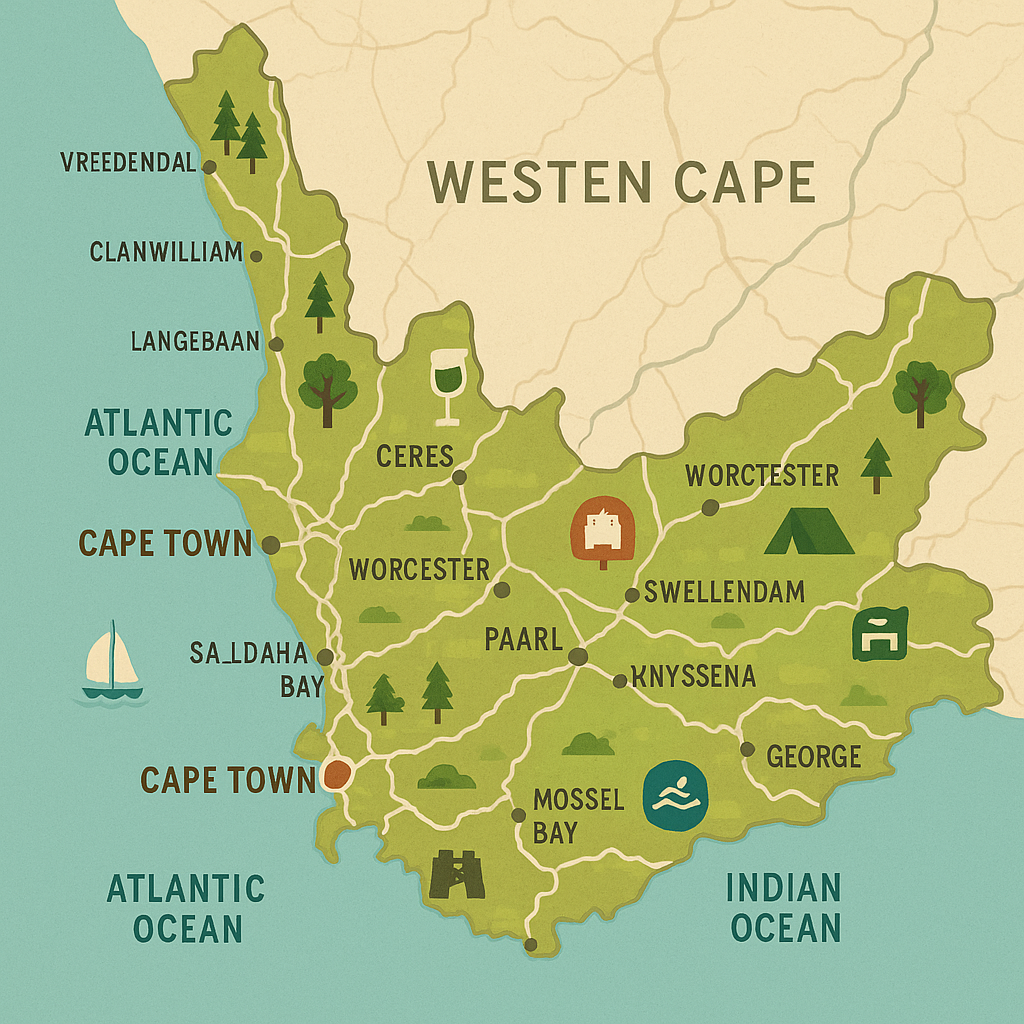
WC Traffic Services' multi-agency campaign curbed road deaths & FMD spread through 247 operations, 8,143 stops, & R9.3M in fines.
The Western Cape launched a massive, week-long operation in February 2026, setting up 247 roadblocks. This intense effort aimed to tackle two big problems: a rise in deadly road accidents and the scary threat of Foot-and-Mouth Disease spreading. They stopped thousands of vehicles, issued many fines, and even impounded some, all to make roads safer and protect the region's important farm exports from disease.
Why did the Western Cape implement 247 roadblocks in February 2026?
The Western Cape implemented 247 roadblocks in February 2026 due to increasing road fatalities and the threat of a Foot-and-Mouth Disease (FMD) outbreak. The roadblocks aimed to reduce road accidents, particularly involving pedestrians, and create a "moving firewall" to prevent the spread of FMD from Limpopo's buffalo herds, safeguarding the region's agricultural exports.
Get Cape Town news in your inbox
Stay updated with the latest stories from the Mother City.
1. The Spark: Why 247 Roadblocks Suddenly Mattered
Road-fatality graphs had been creeping upward since November, but the week that began on 9 February 2026 felt different.
Fourteen of the twenty people who would die before the following Sunday were on foot, clipped by cars on stretches of tar where streetlights had long since become expensive ornaments.
That alone was enough to make provincial planners cancel leave, yet the second trigger arrived in the form of a virus smaller than a red-blood cell: Foot-and-Mouth Disease marching south from Limpopo’s buffalo herds.
One positive nasal swab inside the Western Cape would slam export abattoirs shut within 48 hours, vaporise roughly R2 billion in quarterly farm revenue and hand the European Union an excuse to extend its already intrusive audit.
The instruction was blunt - build a moving firewall that keeps sick hooves out while still letting legitimate commerce roll - so 247 micro-operations were plotted from Durbanville’s wine estates to the moon-scape outside Beaufort West.
Over seven days officers would physically stop 8 143 vehicles, remove 20 of them forever, park another 163 until further notice and issue 7 646 individual summonses that, if layered page-on-page, would rise higher than the control tower at Cape Town International.
2. Dawn, Dust and Disinfectant: Monday on the N7
At 03:45 the tar at Moorreesburg still held yesterday’s sun like a storage heater.
Amber flares turned the mist orange while a dozen traffic cones funneled every north-bound truck toward a pop-up veterinary corridor.
A livestock inspector in navy overalls flicked his torch under a twelve-wheel Scania and found 42 Nguni steers breathing fog through the slats.
The pink movement permit was crisp, but the disinfection stamp had expired eighteen hours earlier - an eternity in epidemiology.
Impound paperwork started immediately, animals were held in the portable quarantine pen, citric-acid foam hissed over tyres and the driver learnt that R15 000 can vanish faster than a karoo wind.
By sunrise the tailback measured three kilometres; tweets complained yet no one honked, partly because Minister Isaac Sileku paced the queue in a neon bib repeating one sentence: “Each minute here buys us months without export bans.”
Three hundred and ninety kilometres east, an ASOD camera on the R61 clocked a refrigerated rig at 111 km/h in an 80 zone; the driver’s prior DUI suspension and a breathalyser reading four times the legal limit sealed his arrest.
Four thousand frozen chickens had to be trans-shipped before their temperature rose above minus five, so a second truck was chartered at carrier’s cost while two seasonal workers from Dutywa were left on the curb clutching backpacks and pocket change - proof that crackdowns bruise bystanders too.
3. Tech, Tyres and Trending Tragedy: Tuesday to Wednesday
Hand-held NaTIS scanners turned the Foreshore tunnel into a laboratory for forgery.
In two hours 120 vehicles were flagged; nine drivers carried licences that shimmered under white light yet collapsed when infrared revealed missing UV threads.
A teenager admitted paying R3 500 through WhatsApp, triggering a cyber-crime docket and illustrating how traffic stops can morph into intelligence gold.
Wednesday’s casualty count arrived in a brutal fourteen-hour sprint: a minibus taxi with bald tyres cartwheeled on the M5, a pedestrian tried to sprint across the N2 at Sir Lowry’s Pass, a biker met the cliffs of Chapman’s Peak and a head-on shattered the R44 outside Stellenbosch.
Twenty people never made it home; fourteen of them were walking.
One victim, a 42-year-old hospital cleaner, used the highway because the pedestrian bridge lights had been dead since December - an inconvenient detail that now powers an internal plan to install 150 solar zebra crossings before winter, paid for by redirecting licence-renewal penalties.
4. Buses, Booze and the Borderless Karoo: Thursday to Sunday
Thursday’s random invasion of the Bellville bus rank saw 47 Golden Arrow coaches boarded, drivers breath-tested and emergency gear catalogued.
Three vehicles flunked the portable brake-tester, one showing a 35 % left-right imbalance that would yank the bus into oncoming traffic during panic braking; commuters clapped when the defective units were sidelined, confirming that enforcement feels friendly when it prevents imminent death.
Average-speed cameras continued their quiet algebra along 19 routes; 54 000 prosecutions since February 2025 boast a 97 % conviction rate because distance-over-time tolerates no argument.
Adaptation is inevitable - coffee breaks, plate swapping - so encrypted QR discs and ANPR at toll plazas are the next chess move, yet average speeds have still dropped eleven percent and fatal crashes on those corridors are down eighteen.
By Friday the livestock dragnet had shifted to Laingsburg where 39 °C heat bubbles tar under boots.
Dr Aisha November laid a citric-soaked mat across the N1 and made every stock truck crawl at 5 km/h; one Colesberg farmer with 200 Dorper ewes lost four hours yet signed the logbook after hearing the 2011 outbreak cost the country R7 billion.
Night-time belonged to drunk-driving blitzes; the highest reading of the week - 1.22 mg/l - came from a BMW X6 driver who tried to vault a central island on Long Street before K-9 dog “Whiskey” chased him down.
When the joint operations centre tallied the score on Sunday afternoon the province had logged 66 arrests, R9.3 million in fines, 20 impounds, 163 discontinued vehicles and zero new FMD cases, but 20 coffins would still be lowered into the ground while refrigerated trucks hummed north, tyres chemically clean, speed profiles archived in a database that never sleeps.
[
{
"question": "
Why did the Western Cape launch a week-long operation with 247 roadblocks in February 2026?
","answer": "
The Western Cape initiated this extensive operation due to a disturbing rise in road fatalities, particularly involving pedestrians, and the critical threat of a Foot-and-Mouth Disease (FMD) outbreak. The roadblocks aimed to enhance road safety and create a 'moving firewall' to prevent FMD from spreading, thus safeguarding the region's vital agricultural exports.
"},
{
"question": "
What were the main objectives of these roadblocks?
","answer": "
The primary objectives were two-fold: to combat the increasing number of deadly road accidents, especially those involving pedestrians, and to prevent the entry and spread of Foot-and-Mouth Disease (FMD) into the Western Cape. This dual approach aimed to protect both human lives and the region's significant agricultural economy from potential devastation.
"},
{
"question": "
How did the operation address the threat of Foot-and-Mouth Disease?
","answer": "
The operation established pop-up veterinary corridors at roadblocks, where livestock inspectors checked movement permits and disinfected vehicles, particularly those transporting animals. For instance, a truck with an expired disinfection stamp led to impoundment and immediate quarantine. This stringent control was crucial to prevent FMD, which was marching south from Limpopo, from impacting the Western Cape's R2 billion quarterly farm revenue and export abattoirs.
"},
{
"question": "
What measures were taken to improve road safety during the operation?
個人的に","answer": "
Road safety measures included breath tests for drivers, checking vehicle conditions (e.g., bald tyres, brake imbalances), using NaTIS scanners to detect fraudulent licenses, and deploying average-speed cameras. The operation also led to an internal plan to install 150 solar zebra crossings, funded by redirecting licence-renewal penalties, after a pedestrian fatality highlighted the dangers of unlit areas.
"},
{
"question": "
What were some of the key outcomes and statistics of the week-long operation?
","answer": "
Over seven days, officers stopped 8,143 vehicles, issued 7,646 individual summonses, impounded 20 vehicles permanently, and discontinued another 163. There were 66 arrests, R9.3 million in fines, and, critically, zero new cases of Foot-and-Mouth Disease were reported. However, despite the efforts, 20 people died in road accidents during the week, with 14 of them being pedestrians.
"},
{
"question": "
How did technology play a role in the effectiveness of the roadblocks?
","answer": "
Technology was instrumental in the operation's success. Hand-held NaTIS scanners identified fraudulent licenses, leading to cyber-crime investigations. Average-speed cameras on 19 routes boasted a 97% conviction rate for speeding, contributing to an 11% drop in average speeds and an 18% reduction in fatal crashes on those corridors. Future plans include encrypted QR discs and Automatic Number Plate Recognition (ANPR) at toll plazas to further enhance enforcement and data collection.
"}
]

Aiden Abrahams is a Cape Town-based journalist who chronicles the city’s shifting political landscape for the Weekend Argus and Daily Maverick. Whether tracking parliamentary debates or tracing the legacy of District Six through his family’s own displacement, he roots every story in the voices that braid the Peninsula’s many cultures. Off deadline you’ll find him pacing the Sea Point promenade, debating Kaapse klopse rhythms with anyone who’ll listen.
View all articles →