
Will Ramaphosa close Israel Embassy in South Africa?
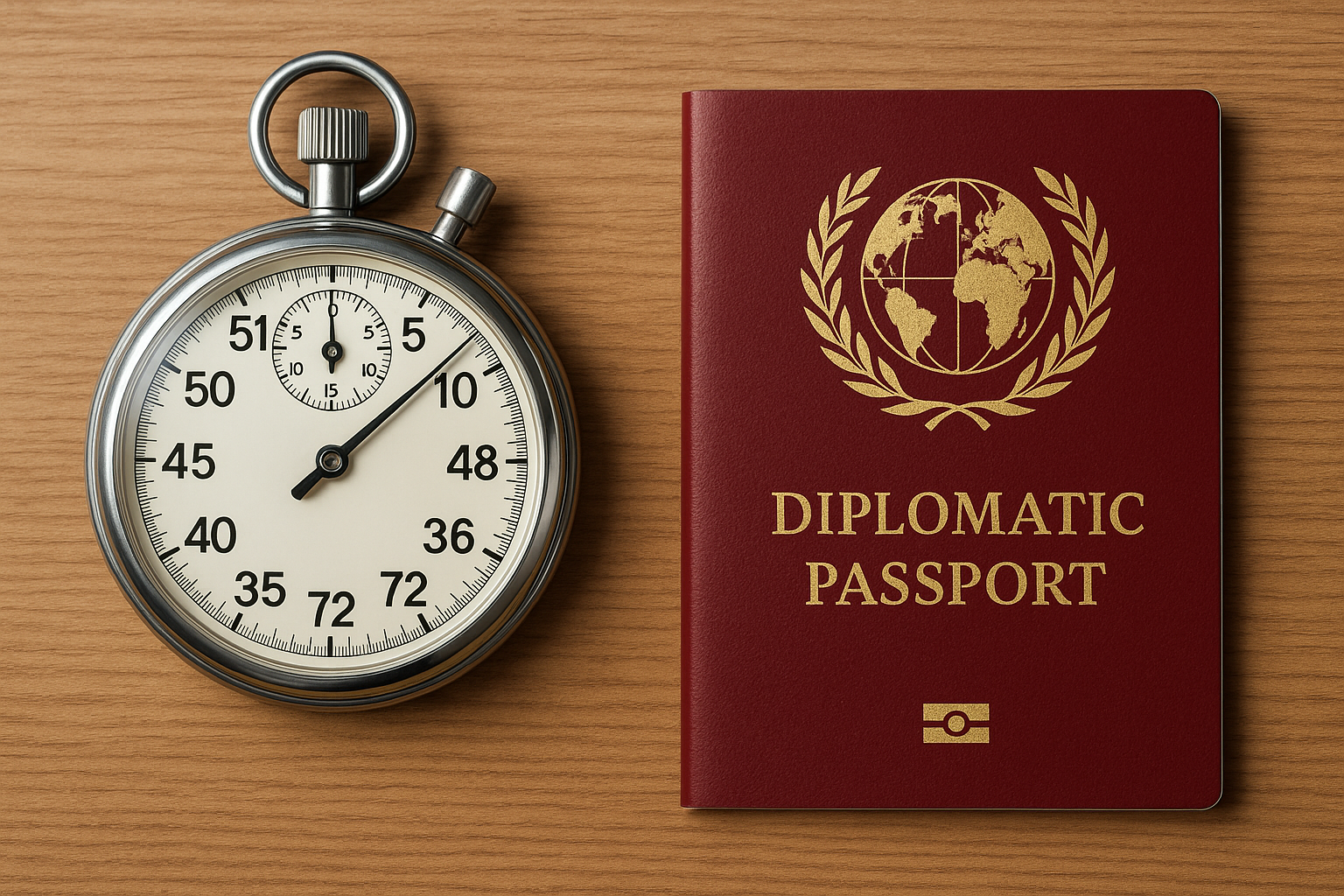
Explosive 72 hours: Social media, 'water diplomacy,' and a king's road trip shatter Pretoria–Tel Aviv relations. Learn how.
In a shocking diplomatic move, South Africa expelled an Israeli diplomat with only 72 hours' notice. This rupture was sparked by Israel bypassing South African laws, ridiculing the nation online, and sneaking a Mossad officer into a delegation. The rapid expulsion was a strong signal from Pretoria, setting the stage for potential further diplomatic fallout.
What caused the diplomatic rupture between Pretoria and Tel Aviv?
The diplomatic rupture between Pretoria and Tel Aviv was caused by Israel bypassing national jurisdiction, violating South Africa's Dignity Protection Act through online ridicule, and sneaking a Mossad officer into a delegation. These actions culminated in South Africa expelling a diplomat with 72 hours' notice.
Get Cape Town news in your inbox
Stay updated with the latest stories from the Mother City.
- Subtitle:* A royal detour, a viral tweet and a Shabbat ultimatum rewrite the rules of African-Israeli engagement
- By Kimi, 31 January 2026*
1. The Call That Shattered the Sabbath Calm
Friday, 30 January 2026, 18:07 SAST. Inside the Israeli embassy at 428 Patterson Street, Brooklyn, Pretoria, deputy chief of mission Ariel Seidman was locking his desktop when his phone vibrated. A one-line instruction from the foreign-service duty room - “Dial DIRCO hotline immediately” - flashed on the screen. Seidman rang; a clipped voice delivered a note verbale: “You are persona non grata. Seventy-two hours to leave.” Call length: 38 seconds.
Outside, the summer sun still blazed, but in Jerusalem the first Shabbat siren had already sounded. Pretoria’s clock, not Jerusalem’s, now ruled the embassy’s fate. The deliberate timing - delivered after dusk in the Holy Land - signalled that South Africa’s political calendar, not Jewish ritual, would decide what came next.
2. Twenty-One Days to Collision: A Timeline in Slow Motion
a) A King, a Prison Pardon and a Desert Water Plant
- 14 Jan: King Buyelekhaya Dalindyebo of the AbaThembu, newly pardoned and politically restless, touches down at Ben-Gurion on a privately funded El-Al charter.
- 15 Jan: Cameras roll as the monarch sips crystal-clear desalinated water in Ashkelon and pleads, “Take this miracle to my thirsty villages.”
- 16 Jan: South Africa’s State Security Agency tags the visit “sensitive” because traditional leaders must notify Pretoria before foreign travel.
b) A Roadshow That Never Passed Through Pretoria
- 17-21 Jan: Israeli firms IsraWater, Mekorot-Int’l and WaterGen map out an Eastern-Cape roadshow, skipping the obligatory federal paperwork.
- 22 Jan: A Gulfstream with humanitarian call-sign lands in Mthatha after “accidental” air-traffic clearance.
- 23 Jan: David Saranga, head of the Foreign Ministry’s digital-diplomacy shop, tweets a selfie with the king beside a humming water unit. The EFF reposts it with the jab “Israel woos our king while Gaza counts its dead.”
c) Provocation, Leak, Ultimatum
- 24 Jan: The embassy’s Twitter poll - “Who’s done more for Eastern-Cape water: Ramaphosa or Israel?” - tags the president.
- 25 Jan: DIRCO’s first demarche lands: “Stop the circus.”
- 26 Jan: Forty-two traditional leaders, bottled water and flashing cameras fill a district hall; a municipal manager inks an MOU for atmospheric water generators.
- 27 Jan: The document leaks to Daily Maverick under the headline “Water for Land?”
- 28 Jan: A second protest note demands an end to “provincial freelancing.”
- 29 Jan: The Ramaphosa cartoon appears, is deleted after 43 minutes, but screenshots dominate African-language radio.
- 30 Jan, 10:00: The 72-hour expulsion letter is hand-delivered to Seidman.
3. The Rule Book, the Constitution and the Court of Public Opinion
a) Vienna’s Sharp Blade
Article 9 of the 1961 Vienna Convention lets any host government boot out a diplomat “without explanation.” Pretoria’s communiqué nevertheless lists three grievances:
- Bypassing national jurisdiction (Section 231(2) of the SA Constitution).
- Violating the Dignity Protection Act, 2025, through online ridicule.
- Slipping a Mossad technology officer - on a tourist passport - into the delegation, breaching travel-notification rules.
b) Diplomatic Shockwaves
Veteran envoys in Pretoria’s 120-mission corps shuddered at the sweeping justification. The last time South Africa hurled the “abuse of privilege” charge was 1986, when a Soviet cultural attaché funnelled cash to uMkhonto we Sizwe.
c) The Gaza Subtext
With ICJ hearings resuming in March, analysts read the expulsion as Pretoria’s attempt to sanitise the diplomatic stage before submitting fresh evidence of genocide.
4. Thirsty Province, Geopolitical Chessboard
a) Dams at 18 Percent
Amathole District’s reservoirs are puddles; schoolchildren in Ngqamakhwe share a tap that flows 90 minutes a day. Climate forecasts predict 8 % less rain by 2035. Israeli water cubes - each producing 30 litres of condensate daily - look like salvation until you price them: $5,000 apiece, 400 units per village, filters and diesel not included.
b) Jobs, Oranges and Diamonds
Trade is lopsided: South Africa ships $372 million in coal and citrus; Israel sends back $562 million in diamonds, fertiliser and gadgetry. One-third of SA’s citrus jobs sit in Eastern-Cape and Limpopo - exactly the Israeli delegation’s route. Growers fear Tel Aviv could retaliate with phytosanitary red tape and erase 14,000 seasonal paycheques.
c) AU Observer Status on the Line
Israel wrestled for two decades to gain African Union observer rights, finally admitted in July 2021. South Africa engineered a suspension vote in 2022. Addis Ababa convenes the AU Executive Council next month; chair Mauritania has circulated a draft citing Pretoria’s PNG precedent as reason to freeze Israel’s access until the ICJ rules. Windhoek, Gaborone and Maputo already flirting with similar moves, the ripple could become a wave.
5. What the Countdown Clock Means Now
a) Scenario One – Quiet Exit
Seidman takes the Monday-night El-Al freight-passenger combo; a new chargé arrives within a month; missions stay open, trade flows.
b) Scenario Two – Tit-for-Tat
Jerusalem boots Pretoria’s Ramallah-based envoy, freezes citrus permits; South Africa padlocks Israel’s Cape Town trade office - water pilots die on the vine.
c) Scenario Three – ICC Flash
Should The Hague issue arrest warrants for Israeli ministers, Pretoria - an ICC member - must detain visitors. Downgrades then become inevitable, and the 72-hour drama will mark only the first scene of a far grimmer legal showdown.
For the moment every eye is on the clock: 72 hours that measure more than one diplomat’s departure; they calibrate whether a century-old relationship will pivot from back-room arms swaps to courtroom duels and sanctions lists in the space of a single generation.
[{"question": "What led to South Africa's swift expulsion of an Israeli diplomat?", "answer": "South Africa expelled an Israeli diplomat with only 72 hours' notice due to several critical issues: Israel bypassing South African national jurisdiction, violating the Dignity Protection Act through online ridicule, and covertly including a Mossad officer in a delegation. This series of actions was seen as a direct challenge to South Africa's sovereignty and laws."}, {"question": "What was the significance of the expulsion being delivered on a Friday evening, just before Shabbat?", "answer": "The diplomatic note verbale, declaring the diplomat 'persona non grata' with a 72-hour deadline, was deliberately delivered on a Friday evening, after dusk in Jerusalem. This timing signaled that South Africa's political calendar and jurisdiction, rather than Jewish religious observance, dictated the diplomatic process, emphasizing Pretoria's assertion of sovereignty."}, {"question": "What specific actions by Israel were cited by South Africa for the expulsion?", "answer": "Pretoria cited three main grievances: 1) Bypassing national jurisdiction, specifically violating Section 231(2) of the SA Constitution. 2) Violating the Dignity Protection Act of 2025 through online ridicule, which included a controversial Twitter poll and a cartoon of President Ramaphosa. 3) Slipping a Mossad technology officer into a delegation on a tourist passport, breaching travel-notification rules for foreign officials."}, {"question": "How did a visit by King Buyelekhaya Dalindyebo contribute to the escalating tensions?", "answer": "King Buyelekhaya Dalindyebo's privately funded visit to Israel, where he expressed interest in Israeli water technology, became a flashpoint. The visit was deemed 'sensitive' by South Africa's State Security Agency as traditional leaders must notify Pretoria before foreign travel. Subsequent actions by Israeli firms to conduct a roadshow without federal paperwork and a tweet from Israel's Foreign Ministry featuring the king further exacerbated the situation."}, {"question": "What potential long-term consequences could this diplomatic rupture have for the region and for Israel's standing?", "answer": "This diplomatic rupture could have significant consequences. It might lead to a tit-for-tat expulsion of diplomats, trade restrictions (such as phytosanitary red tape affecting South African citrus exports), and could impact Israel's African Union observer status. With the AU Executive Council convening soon, South Africa's actions could set a precedent for other African nations to freeze Israel's access, especially with upcoming ICJ hearings on genocide allegations."}, {"question": "What is the 'Dignity Protection Act, 2025' and how was it allegedly violated?", "answer": "The Dignity Protection Act, 2025, is a South African law designed to protect the dignity of the nation and its leaders. Israel allegedly violated this act through online ridicule, specifically by posting a controversial Twitter poll asking 'Who's done more for Eastern-Cape water: Ramaphosa or Israel?' and by sharing a cartoon of President Ramaphosa, which, although deleted, was widely distributed via screenshots. These actions were perceived as an insult and a direct attack on South Africa's national dignity."}]

Tumi Makgale is a Cape Town-based journalist whose crisp reportage on the city’s booming green-tech scene is regularly featured in the Mail & Guardian and Daily Maverick. Born and raised in Gugulethu, she still spends Saturdays bargaining for snoek at the harbour with her gogo, a ritual that keeps her rooted in the rhythms of the Cape while she tracks the continent’s next clean-energy breakthroughs.
View all articles →