
Zuma Foundation calls reports on Epstein dinner ‘unethical,irresponsible’
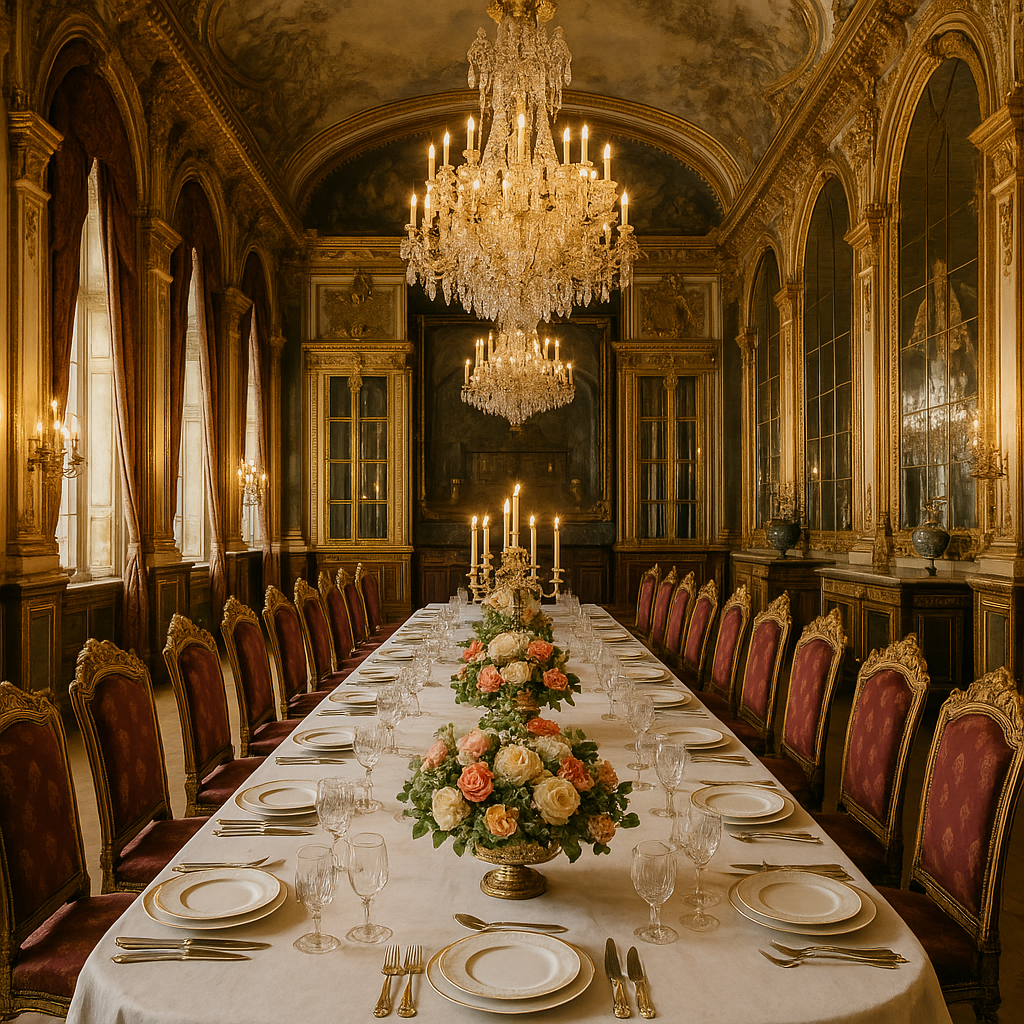
Uncover the 2010 Ritz-Carlton dinner that linked Jeffrey Epstein to South African President Jacob Zuma, revealing new insights from the Epstein files.
In 2010, South African President Jacob Zuma had a private dinner with Jeffrey Epstein, a convicted sex offender, at the Ritz-Carlton. This meeting, revealed by old emails, makes people wonder about sneaky foreign influence on African leaders. They talked about big money for roads and energy deals. Now, people are asking tough questions about how this dinner might have shaped South Africa's future, especially with its energy problems.
What was the purpose of the Ritz-Carlton dinner between Jacob Zuma and Jeffrey Epstein?
The Ritz-Carlton dinner in 2010, involving Jacob Zuma and Jeffrey Epstein, was ostensibly for "intimate dinner" but resurfaced years later due to Epstein's status as a sex offender. The gathering, which included discussions on a multi-billion dollar infrastructure window and energy contracts, ignited debate about foreign influence on African leaders and potentially questionable energy deals.
Get Cape Town news in your inbox
Stay updated with the latest stories from the Mother City.
1. A Forgotten Email Resurfaces and Rewrites History
Fifteen years after the fact, a two-line message buried in the seventh batch of United States “Epstein files” yanked Jacob Zuma back into the spotlight.
“Vera, I’m helping Jeffrey organise an intimate dinner for President Zuma tomorrow, 7 p.m. at the Ritz.”
Written on 2 March 2010 by London property fixer Mark Lloyd, the note looks harmless until the names collide: South Africa’s sitting head of state, a New York moneyman freshly branded a sex offender, and a Russian-born student known only by her first name. The correspondence contains no allegation of wrongdoing by Zuma, yet within hours of its release on 1 February 2026 it was trending from Cape Town to Cairo, igniting a fresh debate about how often African leaders outsource policy chats to shadowy foreign gate-keepers.
State-security veterans insist the storm is overblown; opposition lawmakers counter that the gathering may explain billions in questionable energy contracts signed later in the decade. Either way, the questions are stubbornly simple: how did the presidential diary open a two-hour hole that night, who rewrote the schedule, and what currency - diplomatic, financial or political - changed hands over Dover sole and Bordeaux?
2. London Rolls Out the Red Carpet, Then Looks Away
Zuma’s maiden state visit to Britain, trumpeted by Buckingham Palace as “a gateway partnership with the new South Africa,” wrapped most of Westminster in rainbow-flag optimism.
The public program shows a royal salute on Horse Guards Parade, a private lunch with the Queen, a speech to Parliament and a Mansion House business forum meant to funnel UK capital into African rail, water and broadband.
Between those bullet points sits an innocuous block marked “private time 18:30-20:30,” originally slated for courtesy calls on Commonwealth envoys. According to the released cache, that slot migrated to Epstein’s suite without altering the official pdf posted on the UK government portal.
Metropolitan Police movement logs, prised out by South Africa’s Daily Maverick using UK freedom-of-information law, trace a three-car convoy slipping out of the Dorchester at 18:45 and rolling into the Ritz staff entrance seven minutes later. No outriders, no fanfare - just South African Presidential Protection agents and two U.S. passport holders travelling on State-department escort designations. The low-key arrival preserved plausible deniability: to hotel patrons the president might have been any VIP guest heading for a branded ballroom - nothing that screamed statecraft.
3. Twelve Seats, Three Ratings, One Oval Table
Former Epstein staffers have long claimed he built guest spreadsheets that scored invitees on money, clout and “handle-ability.”
The March dinner stopped at twelve, the Marie Antoinette suite’s capacity without extension leaves that might draw unwanted waiter chatter.
Besides Epstein and Zuma, the place-cards reveal British donor Mark Lloyd, Cantor Fitzgerald chief Howard Lutnick, Sir Evelyn and Lady de Rothschild, a London School of Economics student named Vera, two unnamed commodity traders whose post-dessert drinks were billed to Glencore U.K., and three empty chairs reportedly held for last-minute Gulf investors who never materialised.
Epstein’s pilot logs and Florida plea paperwork show the financier was still on Florida probation in 2010, travelling courtesy of a freshly issued Saudi “special-consultant” passport. Zuma’s office later claims the men met for the first time that night, yet a February email from Epstein to Ghislaine Maxwell jokes about adding “a Ndebele choir after pudding because JZ loves song.” Reference to personal taste implies at least one go-between had been whispering in the weeks prior, contradicting the official amnesia.
4. What Was Pouring, What Was Bargained
Ritz wait-station printouts list three bottles of 1996 Dom Pérignon, two magnums of 1982 Château Pétrus then retailing at £4,200 apiece, twelve one-litre bottles of Fiji water and a single pot of decaffeinated Earl Grey.
No vodka, no tequila - Epstein allegedly avoided hard spirits at such gatherings, arguing that fizzy wine loosens inhibitions while caffeine keeps guests alert for the pitch that follows.
A next-day thank-you email from Lutnick to his chief of staff, also in the DOJ bundle, summarises “wide-ranging chat on $3-5 billion infrastructure window, toll-road concessions and Medupi funding shortfalls; JE volunteered to structure an off-balance-sheet SPV.”
Medupi, the 4,800-megawatt coal behemoth whose first turbine would not fire for another five years, was haemorrhaging cash even in the design stage. Whether Epstein ever approached fund managers is doubtful - his Financial Trust Company managed barely $55 million by mid-2010 - but the optics of dollar liquidity were seductive to a presidency warned by its own Treasury of a widening current-account hole.
5. Memory-Holed Evidence and the Hunt for Vera
Ritz policy dictates that private functions may be photographed for “in-house keepsake albums,” but digital back-ups are purged after seven years under European privacy rules; the March 2010 folder was already gone by the time reporters asked.
Airport cargo logs list “two parcels, RSA” loaded onto Epstein’s Gulfstream at Stansted two nights later, contents unknown.
A 2010 National Security Agency intercept, declassified in 2024, logs a call from Epstein’s Virgin Islands handset to the Union Buildings main switchboard at 08:12 on 4 March, but no voice transcript accompanies the entry.
The woman called Vera remains missing. Former house managers say seating her directly across from Zuma was classic “gift placement,” ensuring the president’s eyeline locked on the person Epstein wanted showcased. British tabloids trawled LSE registers in 2026 without success; South African investigative teams have now asked INTERPOL to cross-check her passport age against 2010 Schengen entries. Until more files drop, her role - student, hostess or potential victim - stays speculative, and Zuma’s spin doctors continue to dismiss any suggestion of nuclear or toll-road deals struck under the Ritz chandeliers.
6. Why the Story Matters in 2026
The U.S. Justice Department admits only 7% of the Epstein archive is public; the next tranche, expected after November’s mid-terms, is rumoured to contain spreadsheets labelled “JZ follow-up” and “RSA energy.”
For South Africans facing 18-hour blackouts and a R122-billion Medupi price tag that trebled electricity tariffs, the possibility that a single candle-lit supper nudged procurement decisions is more than historical gossip - it strikes at the heart of the continent’s sovereign decision-making.
Zuma, now campaigning for an ANC comeback on a platform of radical economic transformation, calls the email cache “a Hollywood-style smear by association.” Opposition parties have petitioned the Zondo Commission to reopen its appendices and trace any foreign funds funnelled into the ruling party’s 2009 war chest. Until either the missing photographs, the mysterious parcels, or Vera herself surface, the Ritz-Carlton’s golden walls retain their secrets, and the legend of a twelve-seat table continues to shadow South Africa’s energy future.
What was the purpose of the Ritz-Carlton dinner between Jacob Zuma and Jeffrey Epstein?
The Ritz-Carlton dinner in 2010 was an "intimate dinner" organized by Jeffrey Epstein for then-South African President Jacob Zuma. Ostensibly, the discussions involved a multi-billion dollar infrastructure window, toll-road concessions, and funding for the Medupi power plant. However, the revelation of this meeting, especially given Epstein's status as a convicted sex offender, has raised significant questions about potential foreign influence on African leaders and the integrity of subsequent energy deals in South Africa.
How did the email about the dinner resurface and what was its immediate impact?
An old two-line email, written on March 2, 2010, by London property fixer Mark Lloyd, resurfaced in the seventh batch of United States “Epstein files” fifteen years later. The email mentioned organizing an "intimate dinner" for President Zuma with Jeffrey Epstein at the Ritz. Upon its release, the email immediately trended from Cape Town to Cairo, sparking a fresh debate about the transparency of policy discussions involving African leaders and foreign gatekeepers, and leading to calls for investigations into potentially questionable energy contracts signed later.
How was the dinner kept discreet during Zuma's state visit to the UK?
During Jacob Zuma's maiden state visit to Britain, his official schedule included a block marked "private time 18:30-20:30," originally intended for courtesy calls. This slot was discreetly used for the dinner with Epstein, without altering the official UK government portal. Metropolitan Police movement logs, obtained through freedom-of-information requests, show a three-car convoy with South African Presidential Protection agents and two U.S. passport holders, traveling with State-department escort designations, departing the Dorchester for the Ritz without fanfare, thus preserving plausible deniability and avoiding public scrutiny.
Who were the attendees at the Ritz-Carlton dinner?
The dinner table at the Marie Antoinette suite had twelve seats. Besides Jeffrey Epstein and Jacob Zuma, attendees included British donor Mark Lloyd, Cantor Fitzgerald chief Howard Lutnick, Sir Evelyn and Lady de Rothschild, and a London School of Economics student named Vera. Additionally, two unnamed commodity traders, whose post-dessert drinks were billed to Glencore U.K., were present. Three chairs reportedly remained empty for last-minute Gulf investors who did not materialize.
What was discussed or 'bargained' during the dinner, and what was consumed?
The Ritz wait-station printouts indicated the consumption of three bottles of 1996 Dom Pérignon, two magnums of 1982 Château Pétrus, twelve one-litre bottles of Fiji water, and a pot of decaffeinated Earl Grey tea. According to a thank-you email from Howard Lutnick, discussions covered a "$3-5 billion infrastructure window, toll-road concessions and Medupi funding shortfalls." Epstein reportedly offered to structure an off-balance-sheet Special Purpose Vehicle (SPV) for these deals, despite his Financial Trust Company managing a relatively small sum at the time, offering a seductive image of dollar liquidity to a presidency facing a widening current-account deficit.
Why is this story still relevant in 2026 for South Africa?
The story remains highly relevant in 2026 for South Africans due to persistent issues such as 18-hour blackouts and the escalating R122-billion price tag of the Medupi power plant, which has significantly trebled electricity tariffs. The possibility that a single, discreet dinner could have influenced crucial procurement decisions strikes at the heart of the continent's sovereign decision-making. With only 7% of the Epstein archive publicly released and rumors of future tranches containing spreadsheets labeled “JZ follow-up” and “RSA energy,” there is intense public and political pressure for further investigation, especially as Zuma campaigns for an ANC comeback.

Aiden Abrahams is a Cape Town-based journalist who chronicles the city’s shifting political landscape for the Weekend Argus and Daily Maverick. Whether tracking parliamentary debates or tracing the legacy of District Six through his family’s own displacement, he roots every story in the voices that braid the Peninsula’s many cultures. Off deadline you’ll find him pacing the Sea Point promenade, debating Kaapse klopse rhythms with anyone who’ll listen.
View all articles →